How to Tell if Your Cat Is in Pain: Subtle Signs
In short
Cats rarely cry out when they hurt. Instead, pain tends to show as small changes: squinting eyes, a hunched posture, less jumping, hiding, grooming less (or too much in one spot), going off food or toileting outside the tray. If your cat seems "not quite right", treat it seriously and speak to your vet. Never give a cat human painkillers, as some are deadly to cats.
When it's an emergency
Contact your vet or an emergency clinic straight away if your cat:
- Is straining in the litter tray and passing little or no urine, especially if male. Read cat straining in the litter tray
- Is breathing fast, with effort, or with an open mouth
- Suddenly can't use their back legs, or is dragging them, crying out and with cold back paws
- Has had a fall, a road accident or a fight, even if they seem fine
- Is crying, yowling or growling when touched or moved
- Has a closed, cloudy or bulging eye
- Has collapsed, or is very weak and unresponsive
Sudden back leg weakness with pain and cold paws can be caused by a blood clot, which needs immediate treatment.
Why cat pain is easy to miss
Cats are small predators but also potential prey, and showing weakness carries risk for them. As a result, many cats keep discomfort to themselves and simply withdraw. Long-term pain, such as from arthritis or sore teeth, develops slowly enough that it can look like a cat is just getting older or lazier.
Research into how cats show pain has led to tools that vets use, such as the Feline Grimace Scale, which scores changes in a cat's facial expression. You don't need to learn a scoring system, but knowing what a painful face looks like can help.
Signs on your cat's face
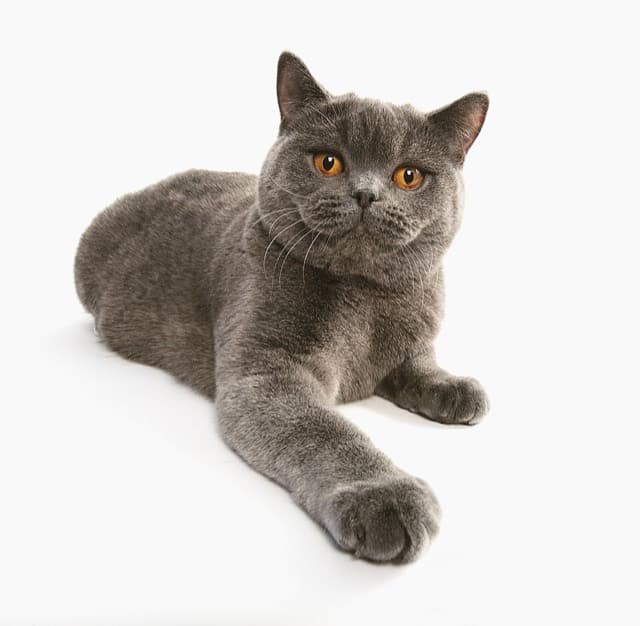
Compare your cat's face now with how it looks when they are relaxed:
- Eyes: squinting or partly closed
- Ears: turned outwards or flattened slightly, rather than upright and facing forwards
- Muzzle: tense, with the area around the nose and mouth looking tighter or more oval
- Whiskers: straighter and held forwards or pulled back, rather than gently curved and relaxed
- Head position: held lower than the shoulders
Signs in posture and movement
- Sitting hunched, with the back rounded and feet tucked under
- Lying in an unusual, stiff position, or always on one side
- Reluctance to jump up, or jumping in stages (chair, then table) rather than in one leap
- Hesitating at the top of the stairs or on landings
- Stiffness after rest, or a change in how they walk
- Limping, or holding up a paw
Signs in behaviour and routine
- Hiding more, or choosing new hiding places. See why is my cat hiding
- Less interest in play, people or the outdoors
- Grumpiness, hissing or swatting when stroked or picked up
- Sleeping more, or seeming restless and unable to settle
- Purring in unusual situations; cats sometimes purr when unwell or stressed, not only when content
- Eating less, eating slowly, chewing on one side or dropping food
- Weeing or pooing outside the tray, often because climbing in hurts
- Grooming less, leading to a scruffy or matted coat, especially along the back
- Over-grooming one area, sometimes leaving bald patches over a sore spot
Our guide to understanding cat body language explains more of these signals.
Quick reference
| Area | Usual for a relaxed cat | Possible sign of pain |
|---|---|---|
| Eyes | Open, soft blinks | Squinting, half-closed |
| Posture | Loose, curled up or stretched out | Hunched, tense, tucked |
| Jumping | Leaps up easily | Hesitates, avoids high places |
| Grooming | Tidy coat | Unkempt coat, or bald patches |
| Litter tray | Uses it normally | Toileting elsewhere, straining |
| Mood | Seeks company as usual | Withdrawn, irritable or hiding |
| Appetite | Normal | Eating less, dropping food |
Common causes of hidden pain in cats
- Arthritis. Very common in older cats but often missed, because cats simply jump less and sleep more.
- Dental disease. Sore gums and damaged teeth can be painful even when a cat is still eating. See dental disease in dogs and cats.
- Bladder problems. Cystitis can cause painful, frequent weeing. Read about cystitis and FLUTD.
- Injuries and abscesses from fights or falls.
- Tummy pain from a range of illnesses.
These are possibilities only. Your vet will examine your cat to look for the cause.
What to do if you think your cat is in pain
- Give them a quiet, warm space. Make sure food, water and a litter tray with a low side are close by.
- Handle them as little as possible. A painful cat may bite or scratch, even if they never normally would.
- Call your vet. Describe the changes you have noticed and how long they have been happening.
- Never give human medicines. Some common human painkillers are extremely toxic to cats, and even a small amount can be fatal. Medicines for dogs can also be dangerous for cats. Only give what your vet prescribes.
- Film any odd movement. Cats often behave differently at the vet, so a short video of your cat walking, jumping or sitting at home can be very helpful.
- Prepare the carrier calmly. Leave it out with a familiar blanket inside, and lift the top off if your cat dislikes being put in through the door.
Helping a cat with long-term pain at home
Along with any treatment your vet recommends, small changes can make daily life easier:
- Steps or ramps up to favourite resting spots
- A litter tray with one low entrance
- Food and water on the floor rather than worktops
- Soft, warm beds in quiet places
- Gentle brushing to help with areas they can no longer reach
See our guide to caring for a senior cat for more ideas.
Know your cat's normal
The most reliable way to spot pain in a cat is to know what "normal" looks like for them. How often do they jump onto the windowsill? How much do they eat? Where do they like to sleep? Petopedia lets you log food, water, weight and behaviour, so subtle changes, like a gradual drop in appetite or a cat who no longer uses the stairs, show up over time rather than being missed. That record is also a helpful starting point when you talk to your vet.
Written by the Petopedia editorial team to our editorial standards. This is general information, not veterinary advice — if you're worried about your pet, contact your vet.