
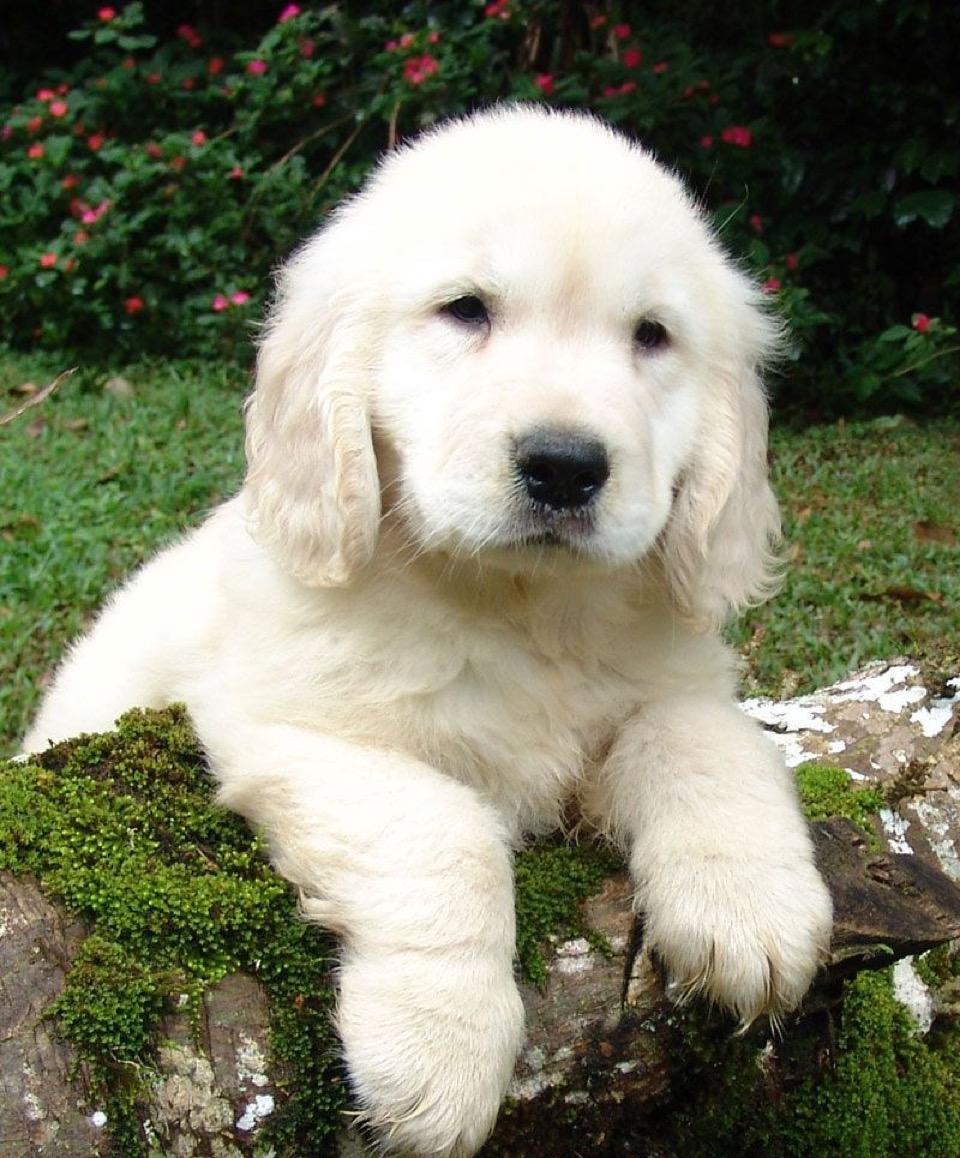
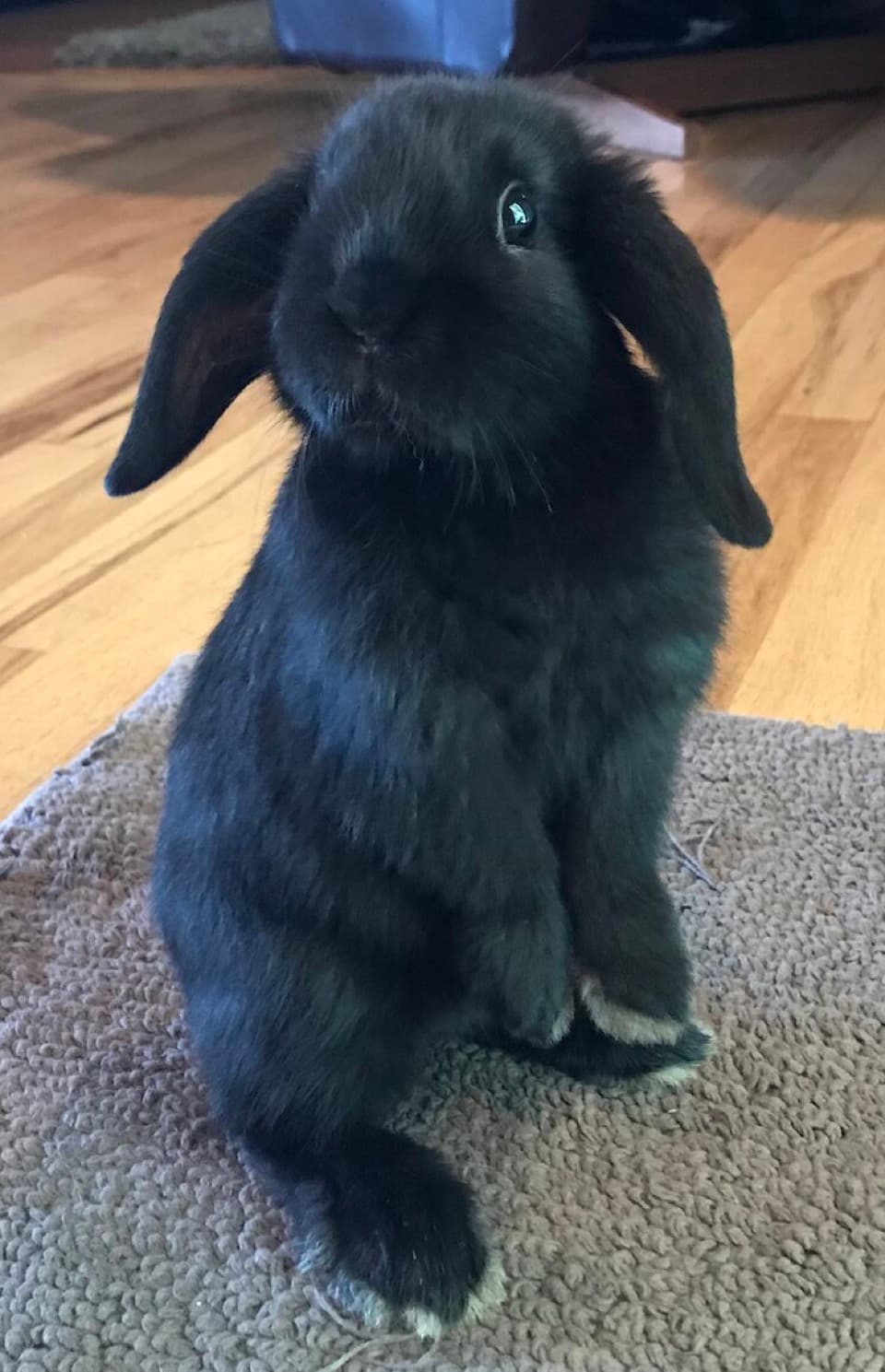
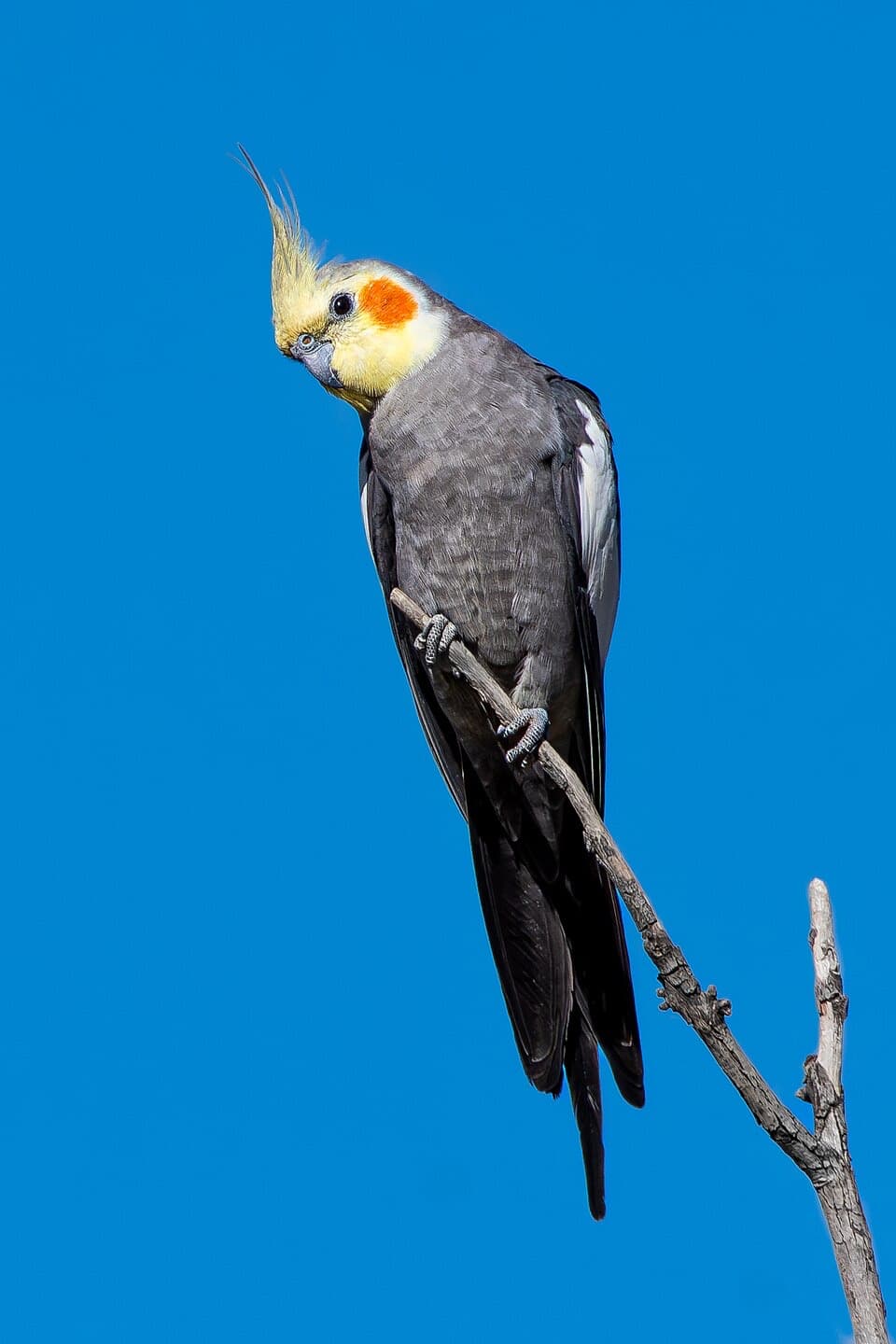
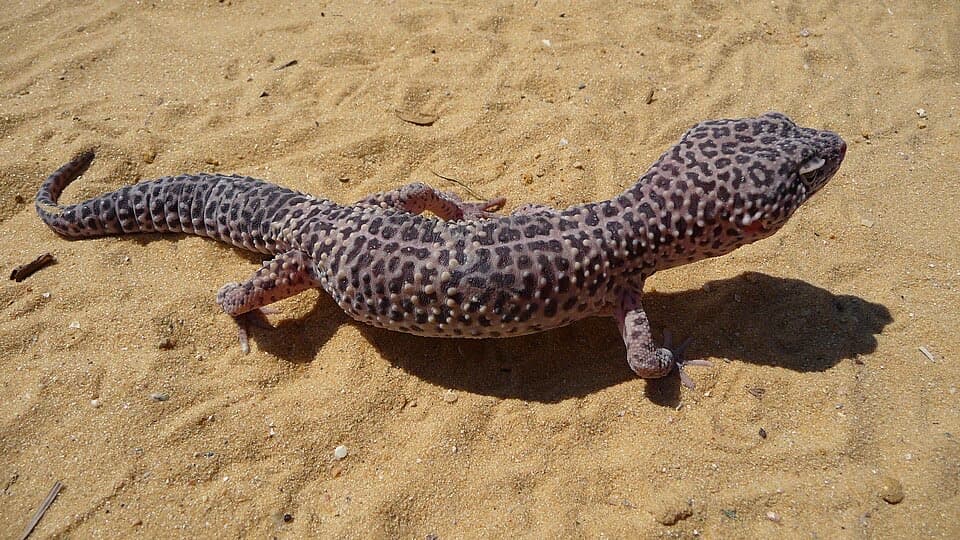
Explore by animal
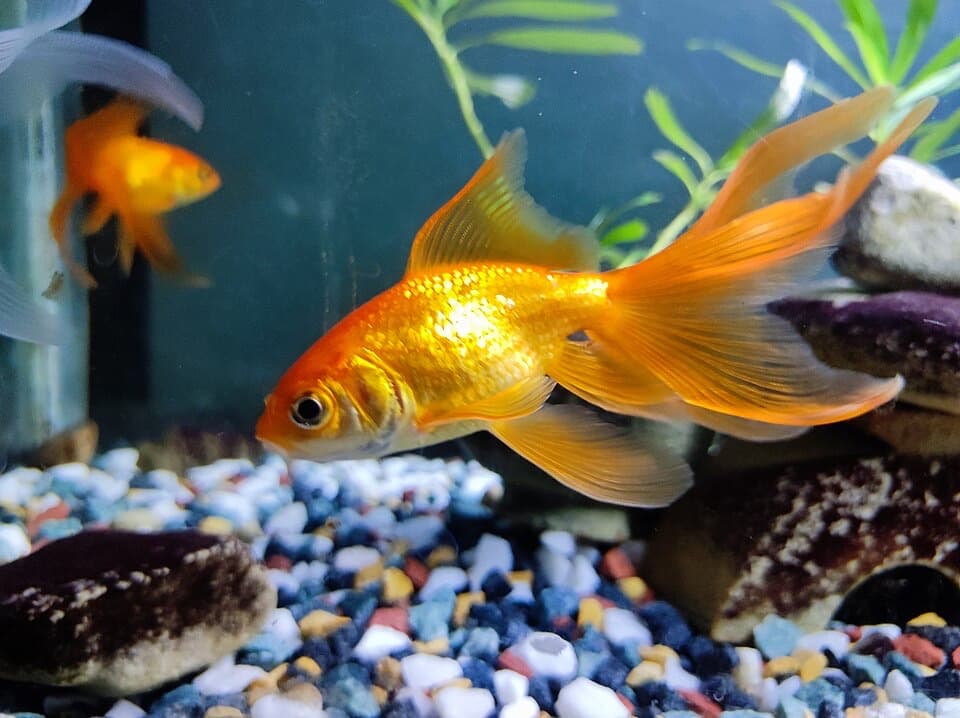
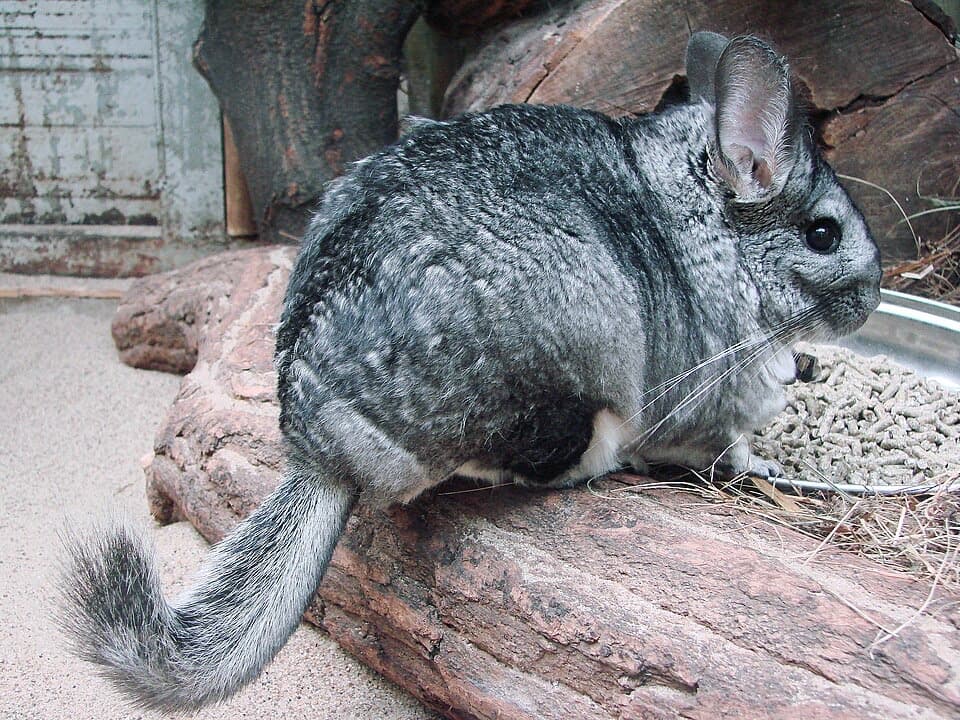
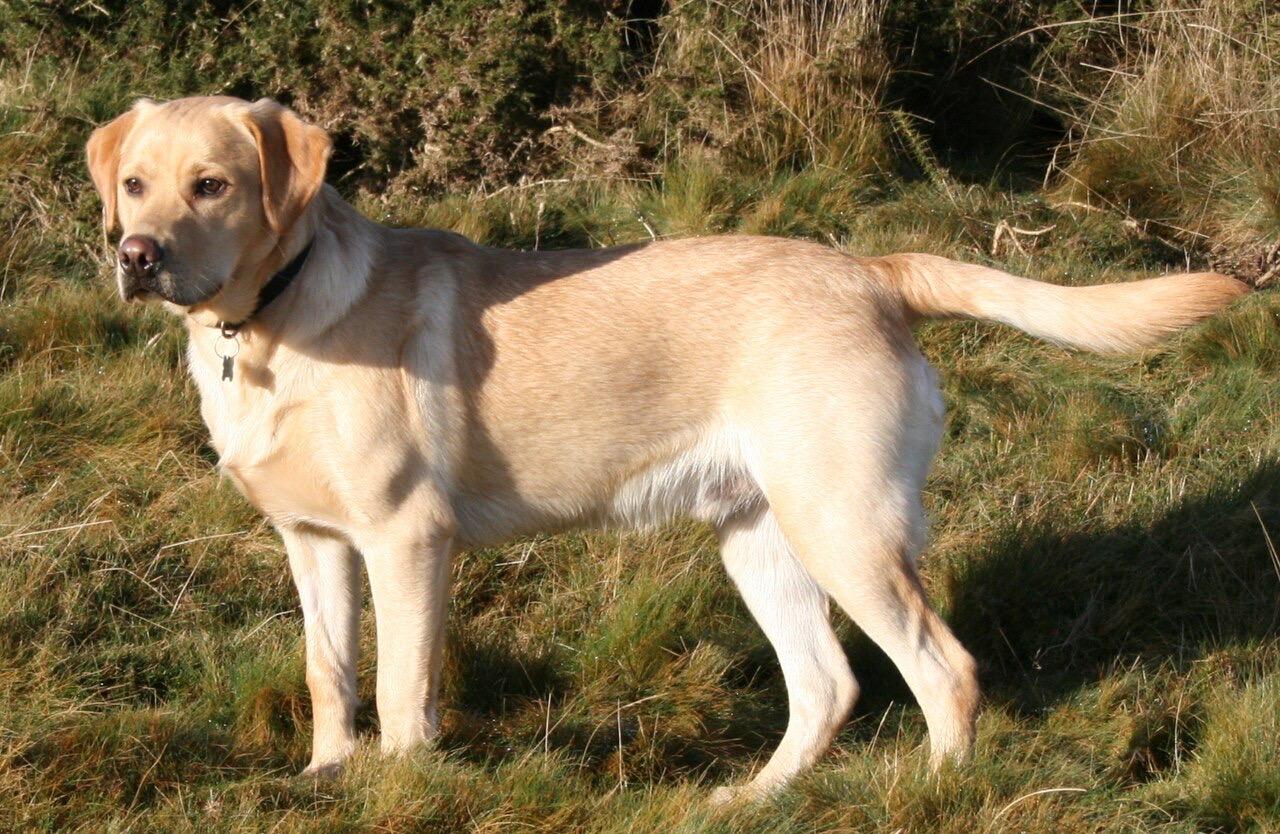
726 breeds and species and 111 articles on care, symptoms and conditions, all written in plain English.

Popular checks
Pick a food to see if it's safe.
Worried about something?
Calm, clear answers: what's an emergency, what can wait, and what to do right now.
New · free tool
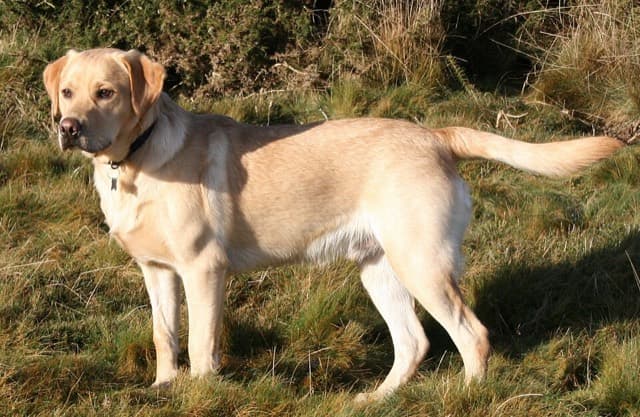
Watch your puppy grow, week by week
Tell us their age and breed. Get their expected weight, food, vet milestones and training for the next 90 days to 2 years.
Build a puppy planAge
8 weeks
Labrador, typical
≈ 5 kg
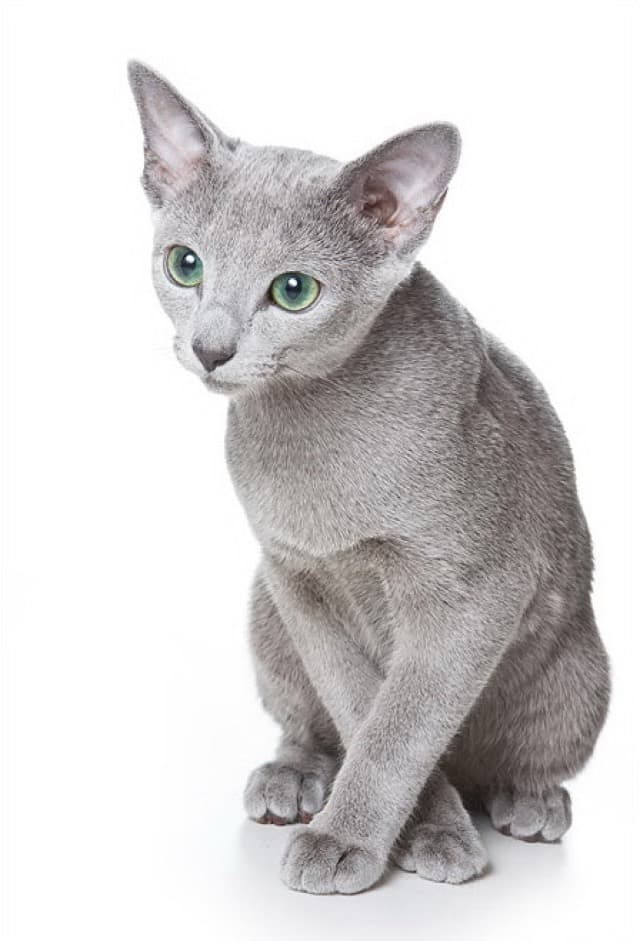
Cat breed of the day
Russian Blue
The Russian Blue is thought to have come from Russia's northern ports and reached Britain in the nineteenth century, though its earliest history is not well recorded.
- Size
- Medium
- Weight
- 3–5.5 kg
- Lifespan
- 14–18 years
- Blue
Weird and wonderful
Some of the most unusual animals people keep, and what makes them special.
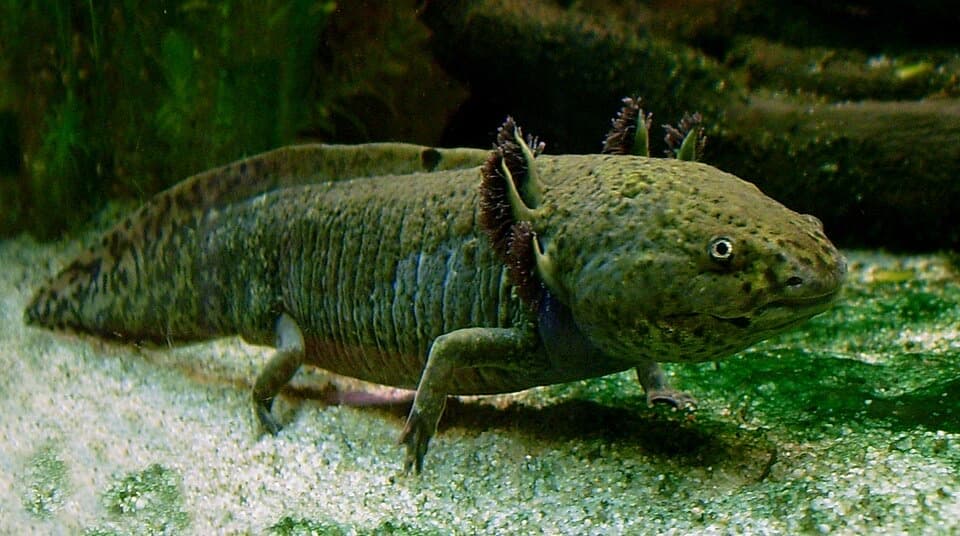 AxolotlA salamander that keeps its frilly gills for life, and can regrow lost limbs.
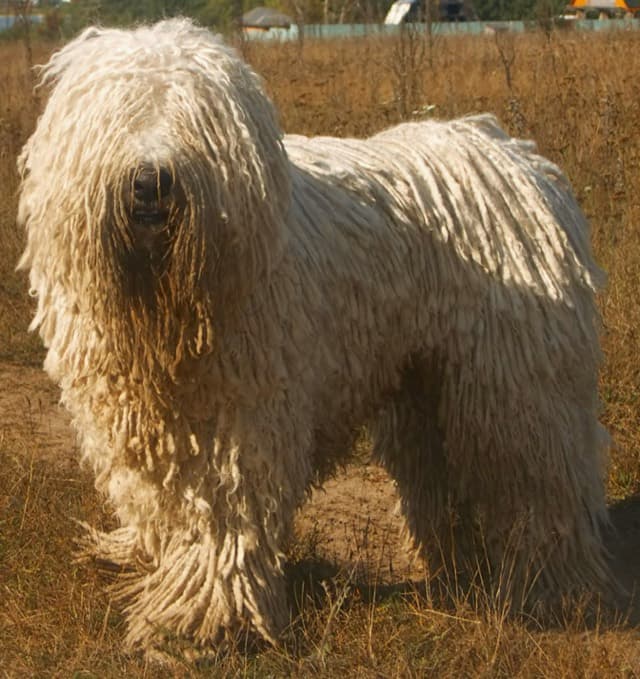 KomondorIts white coat naturally forms long cords, like a walking mop.
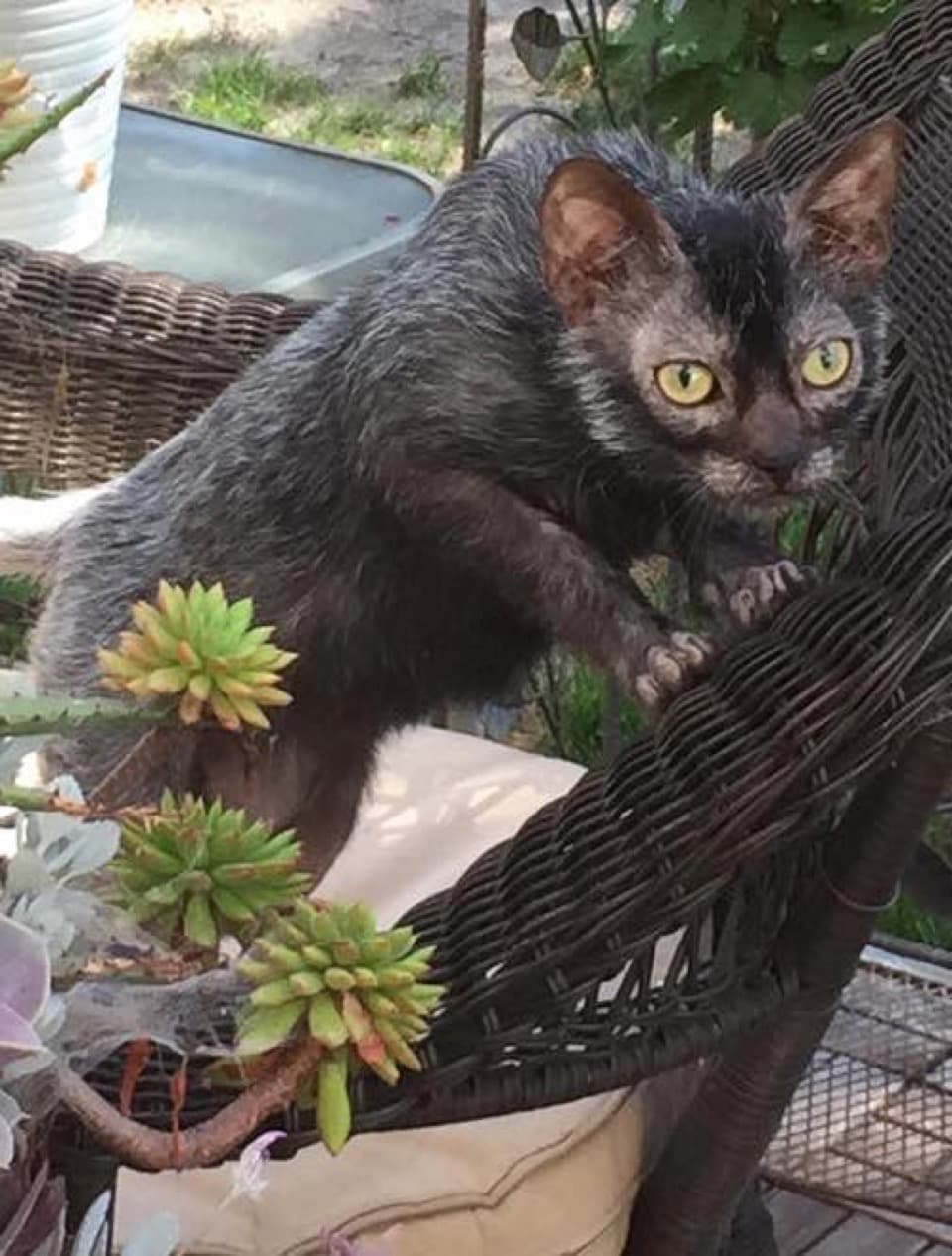 LykoiA patchy, roan coat earns it the nickname “werewolf cat”.
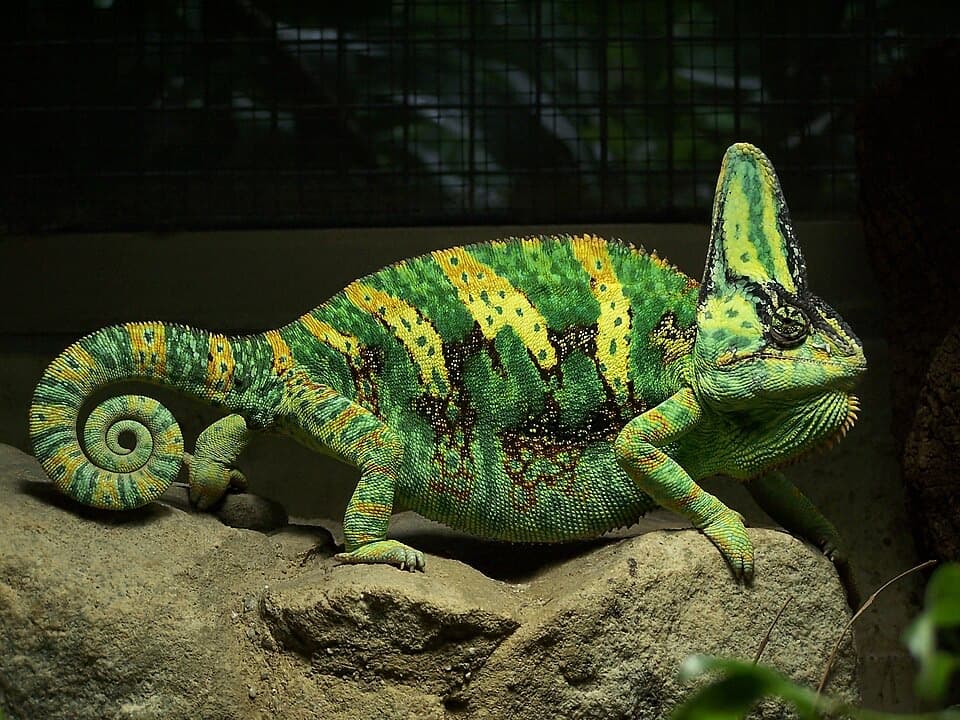 Veiled chameleonChanges colour with mood and temperature, and each eye swivels on its own.
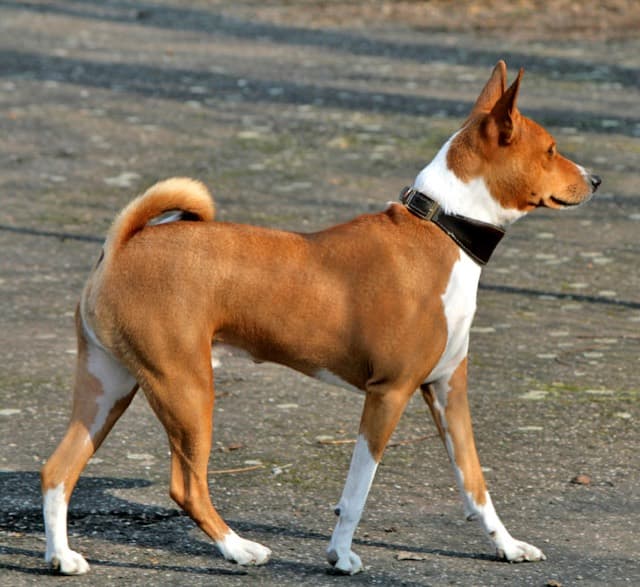 BasenjiThe “barkless” dog. Instead of barking, it yodels.
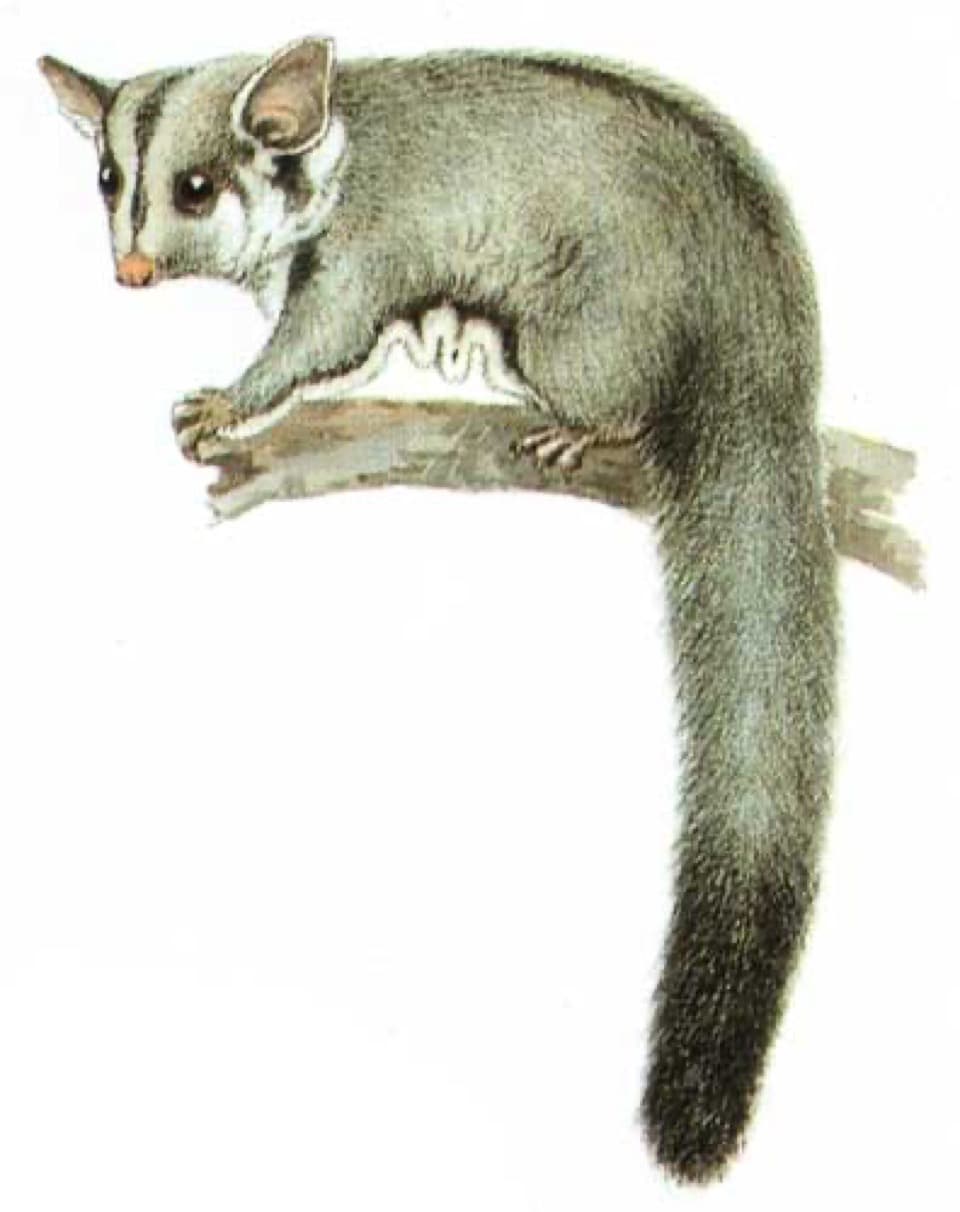 Sugar GliderGlides between trees on a skin membrane stretched from wrist to ankle.
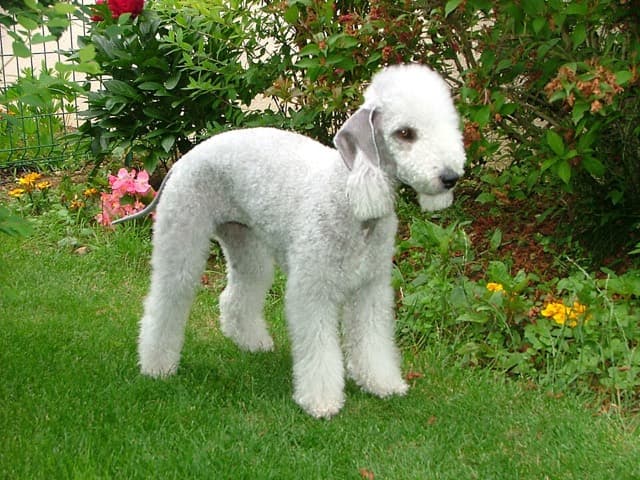 Bedlington TerrierLooks like a lamb, but was bred to be a fast, tough working terrier.
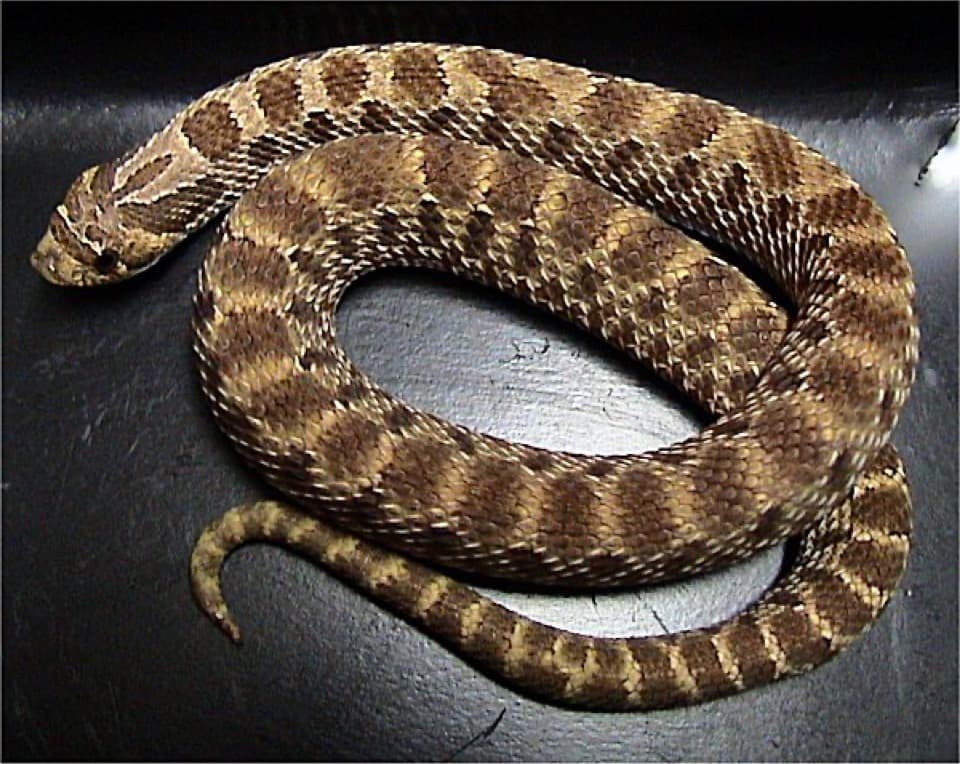 Western hognose snakeWhen threatened, it rolls over and plays dead, tongue out.
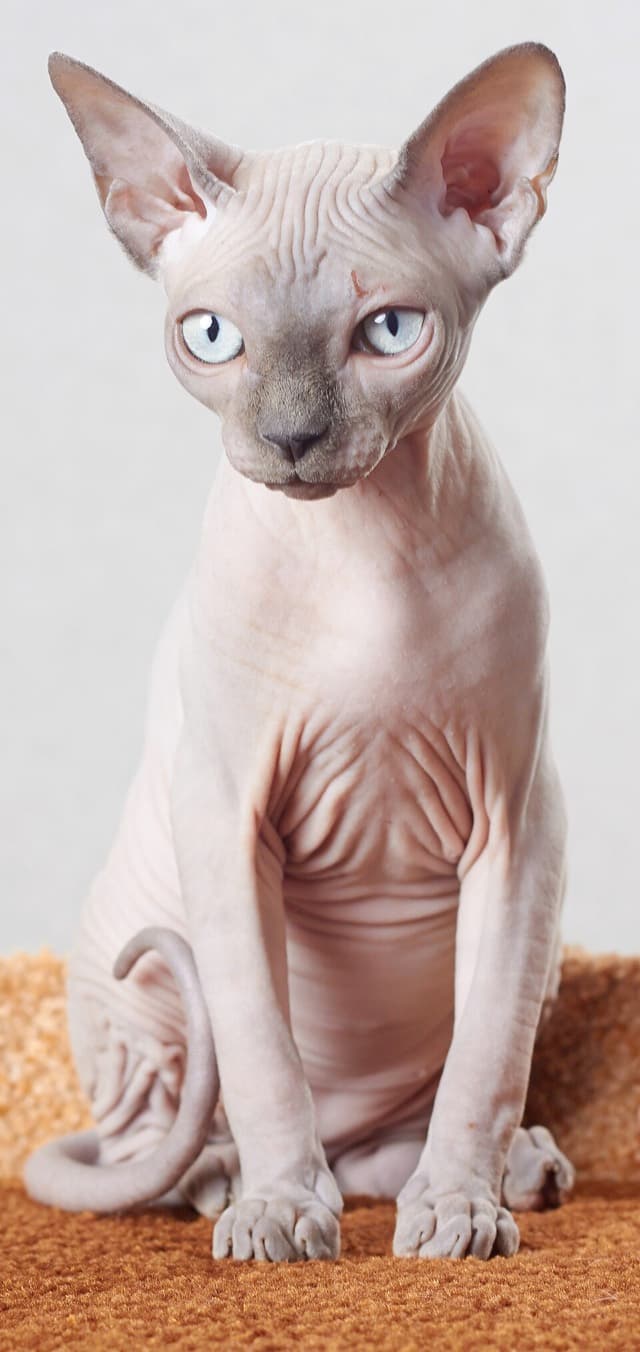 SphynxNot truly bald: a fine peach-fuzz covers its warm skin.
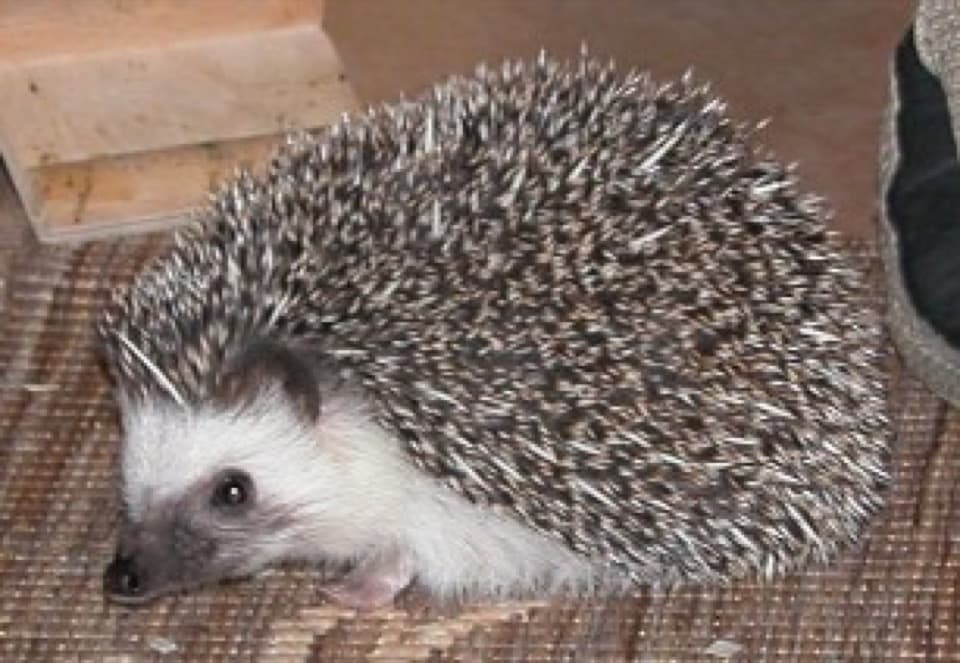 African Pygmy Hedgehog“Self-anoints”, frothing at the mouth and spreading it over its spines.
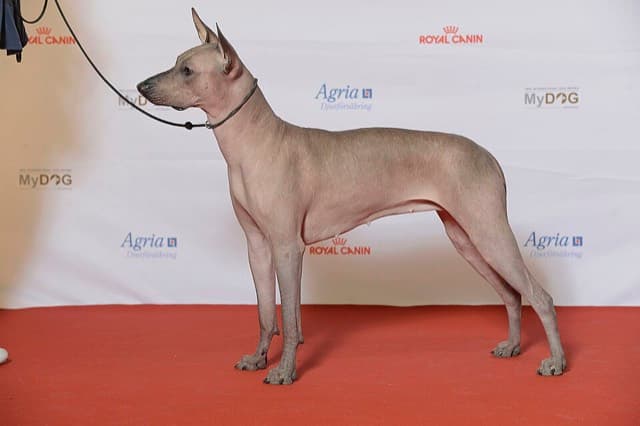 XoloitzcuintleAn ancient hairless breed from Mexico, with roots going back thousands of years.
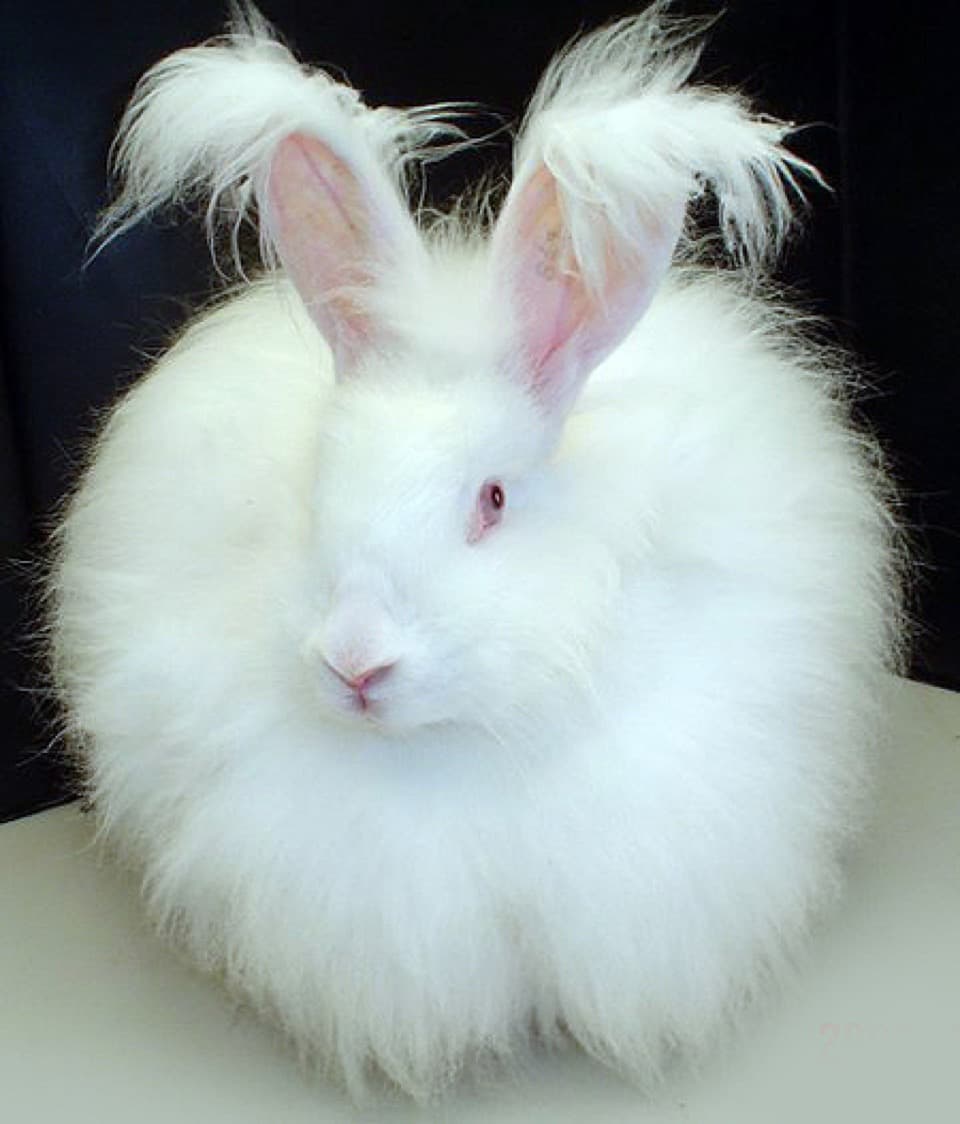 English AngoraSo woolly that its coat is gently harvested and spun into yarn.
Things many owners don't know
Browse all guides- Lily pollen alone can poison a cat.Even brushing past a bouquet and grooming the pollen off can cause kidney failure.See the food checker
- There's no known safe amount of grapes for dogs.Grapes, raisins and sultanas — including in cake — can cause sudden kidney failure.See the food checker
- A purr doesn't always mean a happy cat.Cats also purr when stressed or in pain. Read it with the rest of the body.Read your cat
- A growl is a warning worth thanking.Punish the growl and a dog may skip straight to a snap next time.Dog body language
- Cats have a weak thirst drive.Many get much of their water from food, so a change in drinking is worth noticing.Water for cats
- Only adult fleas live on your pet.Eggs, larvae and pupae build up around the home — which is why treating the home matters.Fleas, ticks and worms
Not sure which breed suits you?
Six honest questions about your home, your time and your experience. You'll get breeds that fit, and the reasons why — including the trade-offs worth knowing.
Question 1 of 6
Where will your dog live?
From the care guides
All guides
Health, 6 min read
Know Your Pet's Normal: Why a Personal Baseline Matters
Every pet has its own normal. Learn how a simple baseline of eating, drinking, weight and activity helps you notice changes early.
Nutrition, 6 min read
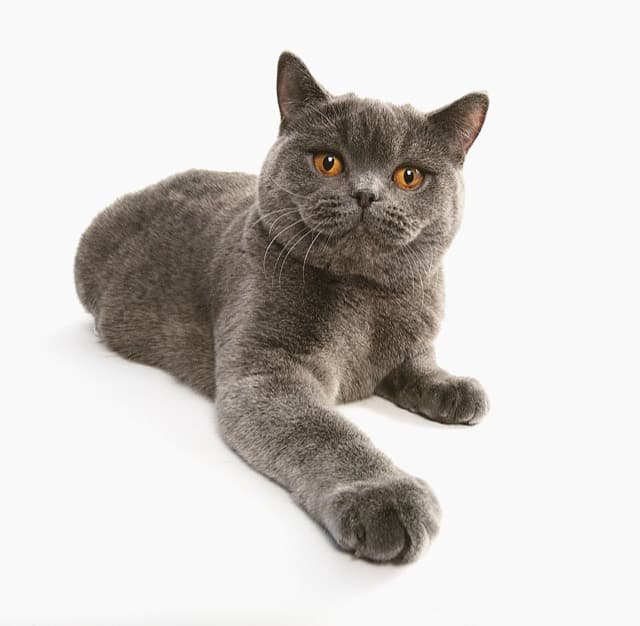
How Much Water Should a Cat Drink?
Why cats often drink little, how wet food helps, setting up bowls and fountains, signs of dehydration, and when extra thirst means a vet visit.

Nutrition, 7 min read
Healthy Weight and Body Condition for Dogs and Cats
How to check your pet's body condition at home, weigh dogs and cats accurately, track changes and lose weight safely with your vet's help.
Everything about your pet, in one place
Each measurement gets its own 30-day trend and usual range. Reminders, changes from usual and device updates arrive as clear, separate notifications — never mixed up, never alarmist.
Max
Labrador Retriever, 4 years, 28.2 kg
Weight
28.2 kg
Usual 28.3 kg
Food
410 g
Usual 409 g
Water
1,080 ml
Usual 820 ml
Walks
35 min
Usual 55 min
- Flea treatment due tomorrowMax · repeats every month
- Max's water was higher than usual yesterday1,080 ml compared with a usual 820 ml (+32%)
- Max's weight measurement was recorded28.2 kg on the Kitchen station
A day with Max
Every meal, drink, walk and toilet trip lands on one timeline. Slide through his day and watch the totals build towards his usual — this is the picture Petopedia learns from.
- Foodusual 410 g
- 205 g
- Waterusual 820 ml
- 535 ml
- Walks & playusual 85 min
- 55 min
- Toiletusual 3
- 2
- 06:45ToiletUrination
- 07:15Walk55 min
- 08:05Breakfast205 g
- 09:30Water245 ml
- 12:00ToiletUrination & defecation
- 13:30Water290 ml
- 13:40Rest2 h 40 min
- 17:00Play30 min
- 18:05Dinner205 g
- 19:30Water285 ml
- 21:15ToiletUrination
Free tools for every owner
No account needed. Useful today, whether or not you track with Petopedia.
- Puppy growth planAdd your puppy's birthday and breed for a 90 or 120-day plan: expected weight each week, food, vet visits and training.
- Food, water and exercise calculatorsHow much should your dog or cat eat and drink each day? Enter their weight for a starting point in seconds.
- Can my pet eat this?Check 58 foods, plants, household products and medicines — and what to do if something goes wrong.
- Which breed suits you?Six questions about your home, time and experience, and breeds that could fit your life.
- Dog breed guide525 breeds with size, temperament, exercise and grooming needs, searchable in four languages.
- Care guidesPlain answers on feeding, behaviour, health, puppies and kittens, and older pets.
- Symptom checkerFind a symptom and see how urgently to act: now, today, or book a visit.
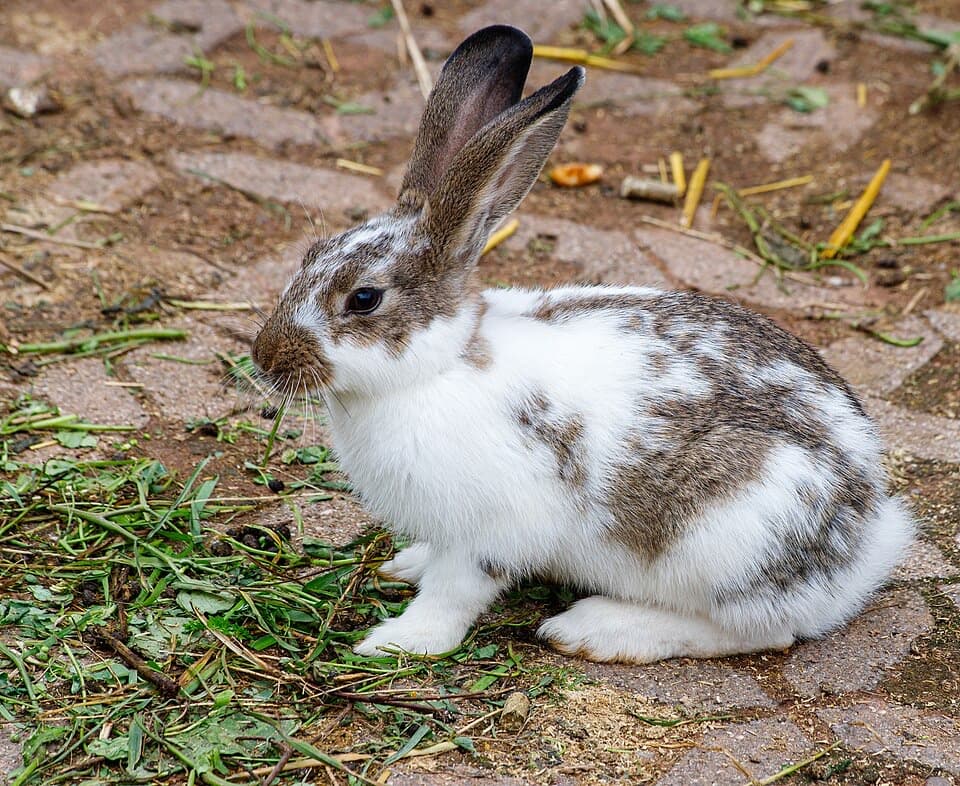
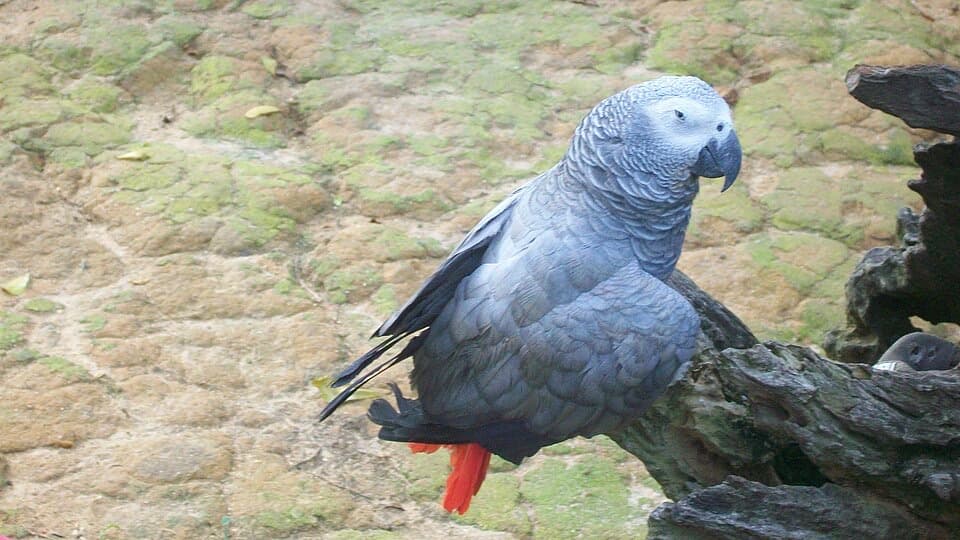
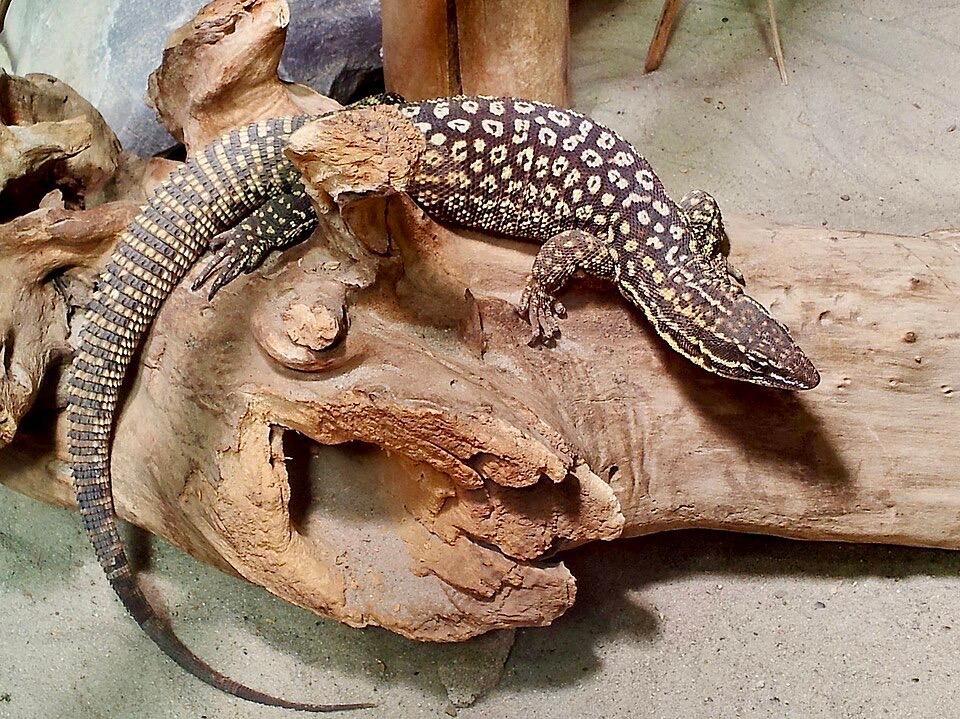
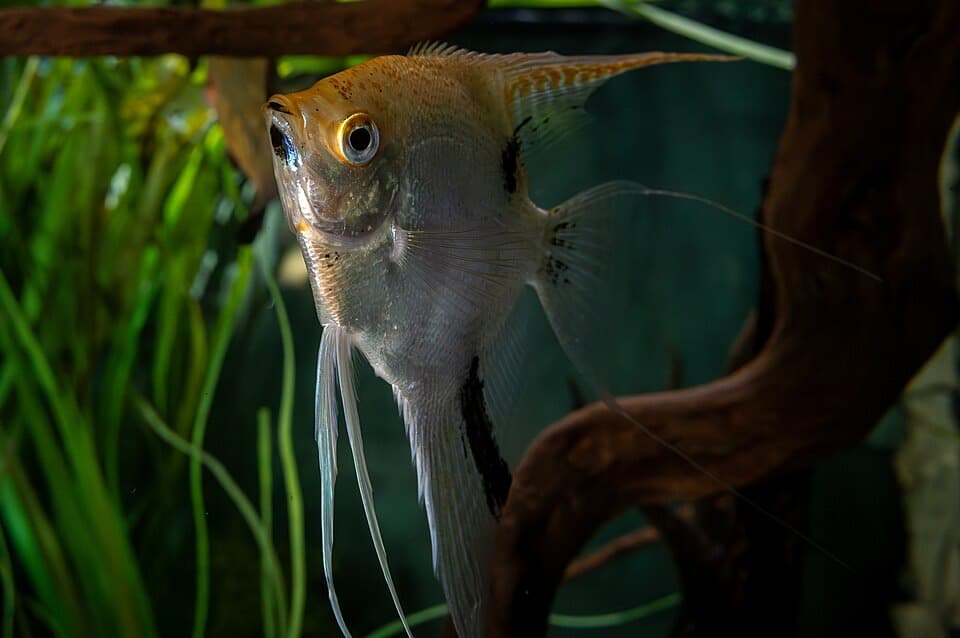
- Rabbits, birds, reptiles and fishProfiles of the other pets people keep, from Holland Lops and cockatiels to leopard geckos and bettas.
- Diseases and conditionsKidney disease, diabetes, parvovirus, cat flu and more, explained in plain English, with the signs to watch for.
Questions owners ask
Is Petopedia free?
Yes. Creating a profile, tracking your pets and using the calculators, breed guide and food checker are all free.
Does it work for cats?
Yes. Petopedia tracks dogs and cats the same way, and the water and food calculators, food checker and guides cover both.
Do I need a device or collar?
No. Everything works by logging from your phone or computer. Smart devices that fill in the log automatically are in development and will be optional.
Can Petopedia tell me if my pet is ill?
No, and it won't try. It shows when a measurement is outside your pet's usual range, in plain language. If something worries you, talk to your vet — your Petopedia history makes that conversation easier.
Who can see my pet's data?
Only you. Your pets and their entries are tied to your account and aren't visible to anyone else. You can delete a pet and its entire history at any time.
Built to help you notice, not to diagnose
Petopedia compares your pet with their own history and tells you plainly what changed. It never guesses at illness — that's your vet's job, and Petopedia gives you clearer notes to take with you.