Why Is My Dog Panting So Much?
In short
Panting is how dogs cool down, so heavy breathing after exercise, on a warm day or when excited is usually normal and settles with rest. Panting that happens at rest, in a cool room, with restlessness, or alongside pale or blue gums or collapse is not normal. If you suspect heatstroke, start cooling your dog with cool (not ice-cold) water and call your vet now.
Call your vet now if
- Your dog is panting heavily and may have overheated, for example after exercise in warm weather or time in a car, conservatory or other hot space
- Their gums or tongue look pale, grey, blue or purple, or very dark red
- They have collapsed, are wobbly, confused, or can't settle
- They are vomiting or have diarrhoea alongside the panting
- Their breathing is noisy, laboured, or they are stretching their neck out to breathe
- They are panting at rest or in a cool room and it isn't settling
- Their tummy looks swollen and they are retching without bringing anything up
- They may have eaten something harmful, such as chocolate or medicines (see our toxic foods list)
- They are a flat-faced breed and seem to be struggling to breathe
What normal panting looks like
Dogs don't sweat in the way we do. They lose heat mainly by panting, which moves air over the moist surfaces of the mouth, tongue and airways. So panting is a normal and healthy part of being a dog.
You can expect your dog to pant:
- During and after exercise or play
- On warm or humid days
- When excited, such as when you come home or pick up the lead
- During a car journey, especially if they find it exciting
Normal panting tends to have an obvious cause and eases off within a few minutes of resting somewhere cool. Your dog should otherwise seem like themselves, with pink gums and an interest in what's going on around them.
When panting is a concern
Panting deserves a closer look if it:
- Happens while your dog is resting, especially in a cool room
- Seems out of proportion to what they have been doing
- Takes much longer than usual to settle
- Comes with restlessness, pacing, or being unable to get comfortable
- Comes with changes in gum colour, weakness, coughing or collapse
- Is a new pattern, such as heavy breathing at night
It can help to know your dog's resting breathing rate. Count breaths while they are relaxed or asleep, with each rise and fall of the chest counting as one. Your vet can tell you what range is typical for your dog, and a rate that is higher than usual while asleep is worth mentioning. Our guide to knowing your pet's normal explains how to check this.
Heatstroke: an emergency
Heatstroke happens when a dog's body gets too hot to cool itself down. It can develop quickly and can be life-threatening. It is more likely on warm days, after exercise, in parked cars even with the windows open, in conservatories, and in dogs who are overweight, elderly, flat-faced or thick-coated.
Signs can include heavy panting, drooling, a dark red tongue or gums, restlessness, weakness, vomiting, diarrhoea, confusion, wobbliness and collapse.
If you think your dog has heatstroke:
- Call your vet now and tell them you are on your way. Don't wait to see whether they improve.
- Move your dog somewhere shaded and cool.
- Start cooling them with cool water, not ice-cold. Pour it over their body, or use wet towels that you keep replacing so they don't trap heat. A fan can help.
- Offer small amounts of cool water to drink if they are alert and able to drink, but don't force it.
- Keep cooling on the way to the vet if you can, for example with the car's air conditioning or open windows.
Avoid ice or very cold water, which can make blood vessels in the skin tighten and slow down cooling. Even if your dog seems to recover, a vet check is important, because heatstroke can cause problems that aren't obvious straight away. For prevention tips, read our guide to hot weather safety.
Pain
Dogs often hide pain, and panting can be one of the few signs they show. A dog in pain might pant at rest, seem restless, be reluctant to lie down, hold themselves stiffly, or be less keen to move. Pain from joints, the tummy, an injury or another problem can all cause this. If your dog is panting and also limping, flinching when touched, or not themselves, speak to your vet. Our post on dog limping covers signs of joint and leg pain.
Never give your dog human painkillers. Many are dangerous to dogs, even in small amounts.
Anxiety and stress
Some dogs pant when they are worried. Fireworks, thunderstorms, vet visits, car journeys or being left alone can all trigger it. Anxious panting often comes with other signs, such as pacing, trembling, yawning, lip-licking, whining, hiding or ears pinned back.
Helping your dog feel safe, with a quiet den, calm routine and gradual training, can make a real difference. Our guides to fireworks and noise fear and separation anxiety have practical ideas. If anxiety is severe or new, talk to your vet, as sometimes a medical problem is behind a change in behaviour.
Flat-faced breeds
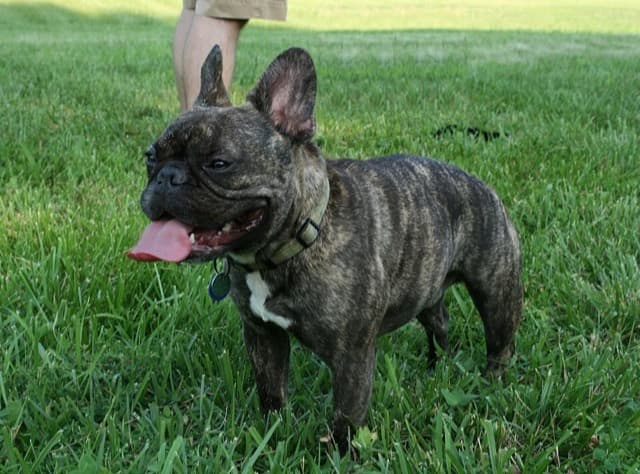
Flat-faced (brachycephalic) breeds, such as Pugs, French Bulldogs, Bulldogs and some others, often have narrower airways and can find it harder to cool down. They may snore, snort or breathe noisily as a matter of course, but that doesn't mean noisy breathing is harmless.
These dogs can overheat and struggle to breathe more quickly than other breeds, so take extra care in warm weather, keep exercise gentle and in the cooler parts of the day, and watch their weight. If your flat-faced dog seems to be struggling, call your vet.
Other possible causes
Persistent or unexplained panting can sometimes be linked to heart or lung problems, hormonal conditions, a fever, carrying extra weight, or side effects of some treatments. These can only be identified by your vet, so if you notice a change in your dog's breathing that you can't explain, book an appointment.
Keeping a record
If the panting comes and goes, note when it happens, how long it lasts, what your dog was doing, and anything else you noticed. A short video can be very useful for your vet. Logging episodes in Petopedia gives you a clear timeline to share, which makes it easier to spot patterns.
The bottom line
Panting after a walk or on a hot day is normal. Panting at rest, in the cool, or with other worrying signs is a reason to call your vet, and suspected heatstroke is always an emergency. For more help deciding when to seek care, see signs your pet needs a vet.
Written by the Petopedia editorial team to our editorial standards. This is general information, not veterinary advice — if you're worried about your pet, contact your vet.