Allergies and Itchy Skin in Dogs: Causes and Treatment
In short
Most persistently itchy dogs have an allergy — to flea bites, to something in their environment such as pollen or dust mites, or less often to an ingredient in their food. Allergies usually can't be cured, but once your vet has worked out what's going on, the itch can generally be well controlled so your dog is comfortable.
At a glance
| What it is | An over-reaction of the immune system to fleas, environmental allergens or food, showing mainly as itchy, inflamed skin and ears |
| Who's at risk | Any dog; environmental allergies usually start in young adulthood and are more common in certain breeds |
| Main signs | Scratching, licking or chewing paws, rubbing the face, red skin, hair loss, recurring ear or skin infections |
| Contagious? | No, although fleas themselves spread easily between pets |
| Can it be prevented? | Flea allergy can be largely prevented with year-round flea control; other allergies can't, but they can be managed |
What it is
An allergy happens when the immune system treats something harmless as a threat and reacts against it. In people this often shows as sneezing or watery eyes. In dogs, the reaction mostly plays out in the skin and ears, causing itching and inflammation. Three types account for most cases, and some dogs have more than one.
Flea allergy dermatitis. Some dogs react strongly to proteins in flea saliva. For these dogs, even a single bite can trigger days of intense itching. You may never see a flea, because an allergic dog often grooms them away. Itching tends to focus on the lower back, the base of the tail, the back of the thighs and the belly.
Atopic dermatitis (environmental allergy). This is an inherited tendency to react to things in the air and surroundings, such as house dust mites, pollens from grasses, trees and weeds, and mould spores. The skin barrier in these dogs is thought to work less well than normal, letting allergens in more easily. Signs usually first appear in young adult dogs. They may be seasonal at first, if pollens are involved, or year-round if dust mites are the trigger.
Food allergy. A smaller number of dogs react to a component of their diet, most often a protein such as beef, chicken, dairy or wheat. Despite its reputation, food allergy is less common than flea or environmental allergy. It can appear at any age, including in dogs that have eaten the same food happily for years, and is sometimes accompanied by tummy upsets or frequent bowel movements.
Scratching and licking damage the skin, which allows bacteria and yeast to multiply. These secondary infections are itchy in their own right, so allergic dogs often get caught in a cycle where the itch keeps feeding itself.
Signs to watch for
- Scratching, licking, chewing or nibbling at the skin
- Licking or chewing the paws, sometimes leaving reddish-brown saliva staining on pale fur
- Rubbing the face along the floor or furniture
- Redness, especially on the belly, armpits, groin, between the toes and around the eyes and mouth
- Hair loss, thinning fur or broken hairs
- Scabs, spots, greasy skin or a musty smell
- Darkened, thickened skin in areas that have been itchy for a long time
- Head shaking, ear scratching, or red, smelly or waxy ears — ear problems are often the first or only sign of an allergy
- Restless nights from itching
Fleas, mites, skin infections, hormone problems and other conditions can cause similar signs. Our article on why dogs scratch so much and the symptom checker can help you think through what you are seeing.
When to see a vet
Make an appointment if your dog is scratching or licking more than usual for more than a few days, has sore or broken skin, hair loss or ear trouble, or if the itching is disturbing their sleep. Allergies rarely go away by themselves, and early treatment prevents a lot of damage to the skin.
Get help urgently if your dog:
- Develops sudden swelling of the face, muzzle, lips or eyes, or raised lumps (hives) all over the body
- Has any difficulty breathing, or collapses
- Vomits or has diarrhoea alongside sudden swelling
These can be signs of an acute allergic reaction, for example to an insect sting or a medicine, which needs immediate treatment and is a different situation from the slow, ongoing itch described in this article.
How vets diagnose it
There is no single test that diagnoses an allergy, so vets work through the possibilities step by step.
- History and examination. Where on the body the itch is, when it started, whether it is seasonal and how your dog responds to treatment all give clues.
- Ruling out parasites. Your vet will check carefully for fleas and may take skin scrapings or hair samples to look for mites. Often, rigorous flea treatment for all pets in the household is the first step.
- Checking for infection. Sticky tape or swab samples from the skin and ears are examined under the microscope for bacteria and yeast, which need treating in their own right.
- A food elimination trial. This is the only reliable way to identify food allergy. Your dog eats a special diet — either a protein they have never eaten before, or a prescription diet where the proteins are broken down so the immune system doesn't recognise them — and nothing else at all for a period set by your vet, usually several weeks. If the itch improves and returns when the old food is reintroduced, food allergy is likely. Blood tests sold for diagnosing food allergy in dogs are not considered reliable.
- Allergy testing. Once other causes are ruled out and atopic dermatitis is diagnosed, blood or skin tests can help identify which environmental allergens are involved. These are mainly used to design immunotherapy rather than to make the diagnosis.
Treatment and management
Because allergies are usually lifelong, the aim is control rather than cure. Most dogs need a combination of approaches, and the plan may change through the seasons.
- Strict flea control for every dog and cat in the home, all year round. This alone resolves flea allergy and removes one source of itch for dogs with other allergies.
- Anti-itch medicines. Several types of prescription medicine can quickly reduce itching and inflammation. Your vet will choose based on your dog's needs, age and health, and some require regular check-ups or blood tests.
- Treating infections with medicated shampoos, ear treatments or, sometimes, antibiotics or antifungal medicines.
- Immunotherapy. For atopic dermatitis, a course of injections or drops by mouth containing small amounts of your dog's allergens can gradually make the immune system less reactive. It takes months to show its effect and doesn't help every dog, but for those it does help, it can reduce the need for other medicines.
- Skin barrier support. Regular bathing with suitable shampoos, essential fatty acid supplements or skin-supporting diets can help.
- Diet. Dogs with confirmed food allergy do well long term on a diet that avoids their trigger.
Avoid using human creams or home remedies on your dog's skin without your vet's advice. Some are toxic if licked, and others make inflamed skin worse.
Living with it
- Wipe your dog's paws and belly with a damp cloth after walks during pollen season.
- Wash bedding regularly in hot water and vacuum often to reduce dust mites.
- Keep a simple diary of itch levels, flare-ups, food and treatments; it helps your vet fine-tune the plan.
- Stick to the agreed diet, and make sure everyone in the house — including visitors — knows not to give extra treats during a food trial.
- Book regular check-ups, especially before the season your dog usually flares.
Expect occasional flare-ups even when things are well controlled. Acting early, before the skin becomes infected, makes them much easier to settle.
Prevention
You can't prevent a dog from inheriting a tendency to atopic dermatitis, but you can stop fleas being a trigger. Use effective flea prevention on every pet in the household all year, and treat the home if an infestation occurs, since most of the flea life cycle happens off the animal. Our guide to fleas, ticks and worms explains more. If you are choosing a puppy from an at-risk breed, ask whether the parents have any history of skin disease.
Breeds more at risk
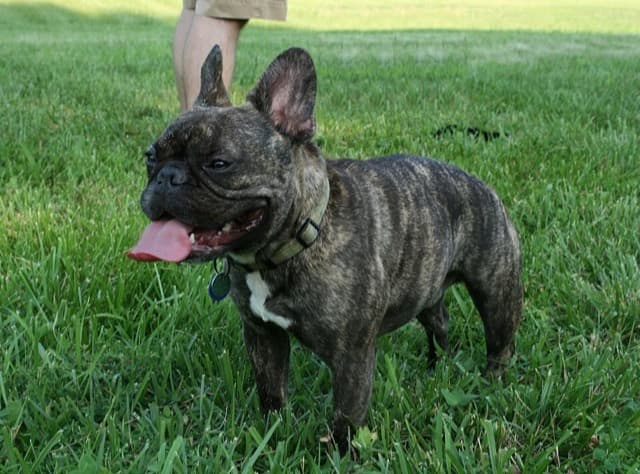
Atopic dermatitis can affect any dog, but breeds well known to be predisposed include the West Highland white terrier, Labrador and golden retrievers, French bulldog, boxer, Staffordshire bull terrier and shar-pei. Many crossbreeds are affected too.

Written by the Petopedia editorial team to our editorial standards. This is general information, not veterinary advice — if you're worried about your pet, contact your vet.