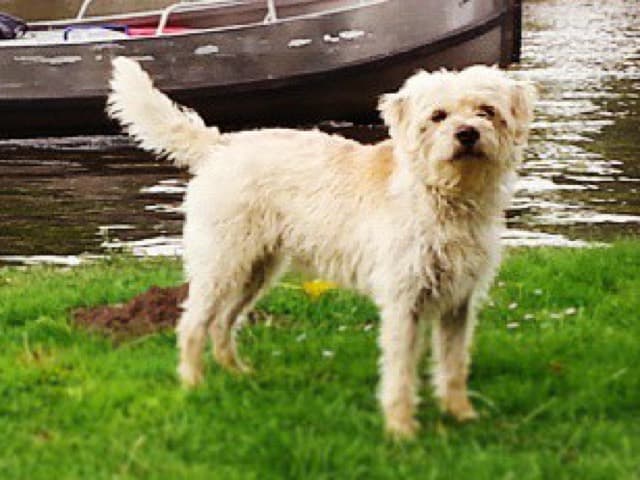
Dutch Smoushond
Also known as Hollandse Smoushond · Smous des Pays-Bas · Holländischer Smoushund · Perro Smous Holandés
The Netherlands, Pinscher and Schnauzer type
- Size
- Small
- Height
- 34–42 cm
- Weight
- —
- Life expectancy
- 12–14 yrs
- Lively
- Friendly
- Cheerful
- Alert
Heights and weights are typical adult ranges; individual dogs vary.
About the Dutch Smoushond
The Dutch Smoushond is a small, rough-coated dog from the Netherlands, once kept in stables and homes to hunt rats. It has a harsh, yellow coat, a bushy moustache and a lively, humorous expression. The breed came close to disappearing in the early twentieth century and has stayed uncommon since, which is a shame for such a cheerful little dog.
Temperament
Lively, friendly and cheerful, usually good with family and other animals. It is quick to learn and can be a good watchdog. It tends to be energetic and sociable.
Exercise
Needs around an hour a day of walks and play, as well as training games. It enjoys sniffing and chasing.
Grooming
Rough coat that needs brushing weekly and some hand stripping or trimming. Keep the beard clean.
Care & wellbeing
A ratter by history, it may dash after small creatures, so be careful about letting it off lead near rodents and traffic. Its wiry coat may need hand-stripping or trimming a few times a year.
Living with a Dutch Smoushond
Typical tendencies for the breed. Upbringing, training and the individual matter as much.
History
A Dutch breed with a rough, yellow coat, which was used around stables and farms in the Netherlands as a ratter and companion. It is cheerful, adaptable and sociable.
Health
There's limited reliable published information on health issues in the Dutch Smoushond. Breed clubs and your vet are the best sources.
Not every Dutch Smoushond is affected, and this isn't a diagnosis. Read about common conditions and when to see a vet.
Cost to keep
Lower than average- Smaller food bills and medicine doses
- Little or no professional grooming needed
- A 12–14 year commitment
A relative guide, not a price — costs vary a lot by country, insurer and lifestyle.
Is a Dutch Smoushond right for you?
Could suit
- Owners who can manage a good walk or two each day
- Smaller homes, as long as daily exercise needs are met
Not sure? Try the breed finder or read choosing the right dog breed.
Common questions
How big does a Dutch Smoushond get?
Adult Dutch Smoushonds typically stand about 34–42 cm at the shoulder. Individuals vary, and males are often larger than females.
How long do Dutch Smoushonds live?
Typically 12–14 years. Keeping them lean, active and up to date with vet checks gives the best chance of a long, healthy life.
How much exercise does a Dutch Smoushond need?
As a guide, around 60–90 minutes a day, split between walks, play and sniffing time. Puppies and older dogs need shorter, gentler sessions.
How much grooming does a Dutch Smoushond need?
Brushing a few times a week. Check ears, teeth and nails as part of the routine.
Are Dutch Smoushonds easy to train?
Generally trainable with consistent, reward-based practice.
Do Dutch Smoushonds shed?
A moderate amount. Regular brushing keeps loose hair under control.
Are Dutch Smoushonds good with children?
They usually do well with children. Always supervise young children with any dog, and teach them to give the dog space.
Can a Dutch Smoushond live in a flat?
Usually, yes — as long as they get enough daily exercise and time outdoors.
Written by Petopedia as general guidance, not veterinary advice. Ask your vet about health screening for this breed.
Breed details
- Country of origin
- The Netherlands
- Type
- Pinscher and Schnauzer type
- Internationally recognised
- 1981