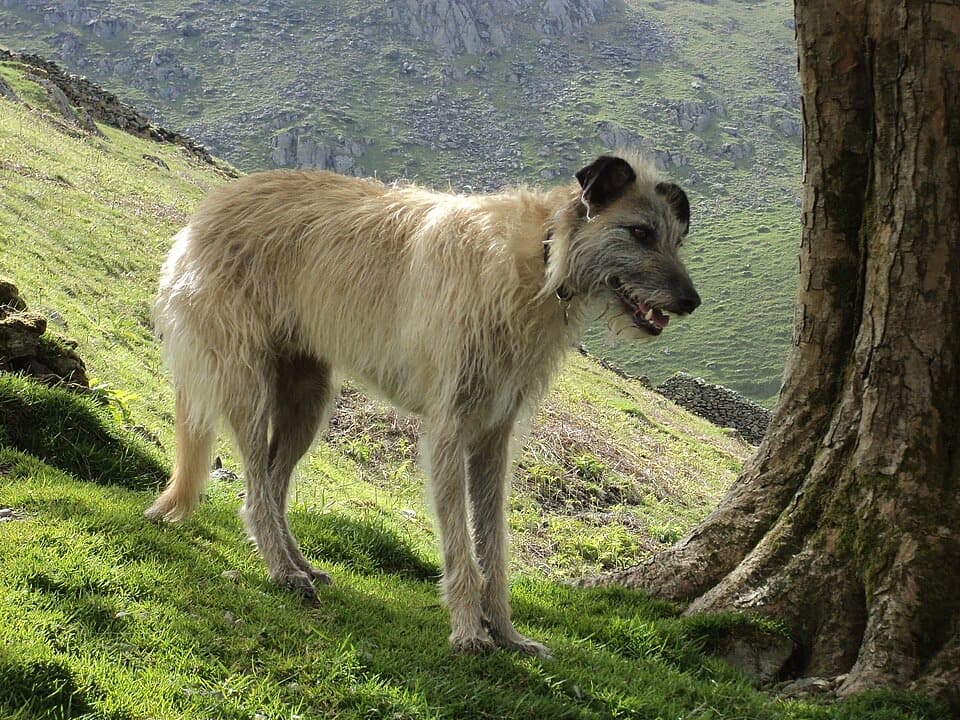
Lurcher
Also known as Longdog (For Sighthound Crosses)
United Kingdom, Sighthounds and lurchers
- Size
- Large
- Height
- 50–76 cm
- Weight
- 16–40 kg
- Life expectancy
- 12–15 yrs
- Gentle
- Quiet
- Fast
- Affectionate
Heights and weights are typical adult ranges; individual dogs vary.
About the Lurcher
A lurcher is a sighthound, such as a Greyhound, Whippet, Saluki or Deerhound, crossed with another type of dog, most often a collie or a terrier. The aim is a fast hunting dog with extra intelligence or toughness. Lurchers range from small, whippet-sized dogs to big, rough-coated hounds, and are among the most common dogs in British and Irish rescue centres.
Temperament
Most lurchers are gentle, quiet and affectionate indoors, happy to spend much of the day asleep on a soft bed. Out on a walk they can switch instantly into chase mode, and the collie or terrier side may add extra brains, drive or stubbornness.
Exercise
They usually need one or two good daily walks plus the chance to sprint in a safely enclosed area. Many are content with less than people expect, as long as they can run hard now and then.
Grooming
Coats vary from short and smooth to wiry and shaggy; either way, grooming is usually light. Thin-skinned dogs tear easily and feel the cold, so a coat helps in winter.
Care & wellbeing
Strong prey drive means cats, small pets and livestock can be at risk, so assess each dog carefully and use a muzzle if your vet or a behaviourist advises it. Lurchers often need soft bedding to protect bony joints. Sighthounds can respond differently to anaesthesia and some blood test values, so make sure your vet knows your dog's background. Skin wounds that gape open need veterinary attention.
Daily needs at a glance
For a typical 28 kg adult- Water
- 1.1 L–1.7 L
- a day
- Energy
- ≈ 1,360 kcal
- a day, neutered adult
- Exercise
- 60–90 min
- a day
- Grooming
- A brush once a week
Starting points from the same formulas as our calculators. Your pet's age, weight, activity and food all change the numbers. Work it out for your pet
Living with a Lurcher
Typical tendencies for the breed. Upbringing, training and the individual matter as much.
History
Lurchers have been bred in Britain and Ireland for centuries, traditionally by country people, travellers and poachers who wanted a quick, quiet dog to catch rabbits and hares. Historically, laws restricted who could own pure sighthounds, which is often given as one reason the crosses became common, though this story is hard to verify. The word lurcher is usually linked to an old meaning of 'lurch' as to lurk or prowl. Today many lurchers are family pets, often rehomed through rescue organisations.
Health
The breed can be prone to
- Skin tears and injuries
- Corns on the pads
- Bone cancer (osteosarcoma) in larger dogs
- Bloat (gastric dilatation-volvulus)
- Sensitivity to some anaesthetics
Health tests to ask a breeder about
- Ask about the health of both parent types
- Hip scoring if a collie or larger breed is involved
- Eye examination
Not every Lurcher is affected, and this isn't a diagnosis. Read about common conditions and when to see a vet.
Cost to keep
Higher than average- Food, insurance and medicines cost more for a big dog
- Little or no professional grooming needed
- A 12–15 year commitment
- Budget for breed-related health checks or insurance
A relative guide, not a price — costs vary a lot by country, insurer and lifestyle.
Is a Lurcher right for you?
Could suit
- Owners who can manage a good walk or two each day
- People who'd rather not spend much time grooming
Think twice if
- You need a dog you can easily lift or carry
Not sure? Try the breed finder or read choosing the right dog breed.
Common questions
How big does a Lurcher get?
Adult Lurchers typically stand about 50–76 cm at the shoulder and weigh around 16–40 kg. Individuals vary, and males are often larger than females.
How long do Lurchers live?
Typically 12–15 years. Keeping them lean, active and up to date with vet checks gives the best chance of a long, healthy life.
How much exercise does a Lurcher need?
As a guide, around 60–90 minutes a day, split between walks, play and sniffing time. Puppies and older dogs need shorter, gentler sessions.
How much grooming does a Lurcher need?
A brush once a week. Check ears, teeth and nails as part of the routine.
Are Lurchers easy to train?
Generally trainable with consistent, reward-based practice.
Do Lurchers shed?
A little. Regular brushing keeps loose hair under control.
Are Lurchers good with children?
They usually do well with children. Always supervise young children with any dog, and teach them to give the dog space.
Can a Lurcher live in a flat?
It can work — as long as they get enough daily exercise and time outdoors.
What health problems do Lurchers have?
The breed can be prone to skin tears and injuries, corns on the pads, bone cancer (osteosarcoma) in larger dogs. Not every Lurcher is affected — ask a breeder about health testing, and your vet about what to watch for.
Written by Petopedia as general guidance, not veterinary advice. Ask your vet about health screening for this breed.
Breed details
- Country of origin
- United Kingdom
- Type
- Sighthounds and lurchers
- Recognition
- A type of cross rather than a breed; not recognised by kennel clubs