Grooming basics for dogs and cats
In short
Regular grooming keeps your pet's coat, skin, nails, ears and teeth healthy, and gives you a chance to notice changes early. Little and often works best, with calm handling and rewards, and a professional groomer can help with coats or tasks you find difficult.
Why grooming matters
Grooming is about more than appearance. Brushing removes loose hair and dirt, prevents painful mats and spreads natural oils through the coat. Just as usefully, it gives you a regular, hands-on look at your pet's body. Many owners first notice a lump, a sore patch, a sore ear or a broken tooth during a grooming session.
Most cats groom themselves thoroughly, but they still benefit from help, especially long-haired, older or overweight cats who find it harder to reach every area. Dogs vary enormously depending on their coat.

Brushing by coat type
How often you brush depends mainly on coat type. The dog breeds section of Petopedia gives typical grooming needs for many breeds, which is a good starting point.
| Coat type | Examples | Typical brushing |
|---|---|---|
| Short and smooth | Many terriers, Labradors, short-haired cats | Weekly, more often when shedding |
| Double coat | Huskies, collies, shepherds | Several times a week, daily in moulting seasons |
| Long or silky | Long-haired cats, spaniels, Yorkshire terriers | Daily, to prevent tangles |
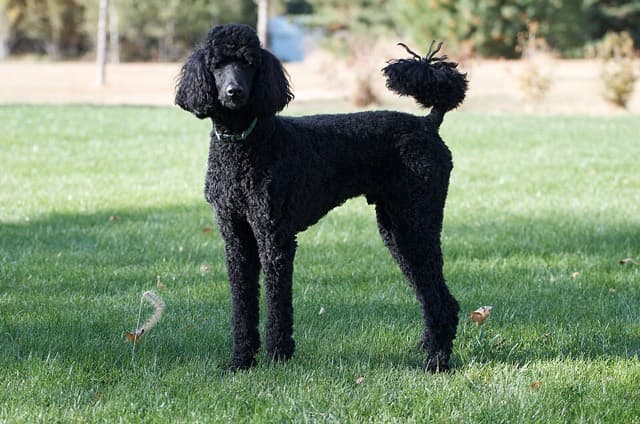
| Curly or non-shedding | Poodles and poodle crosses | Several times a week, plus regular clipping |
| Wiry | Many wire-haired terriers | Weekly, with occasional hand-stripping or trimming |
Choose a brush to suit the coat. A rubber mitt or soft bristle brush suits short coats, a slicker brush and wide-toothed comb help with long and curly coats, and an undercoat rake can help with double coats. Brush in the direction of hair growth and work in small sections. If you find a mat, hold the hair close to the skin so you do not pull, and tease it apart gently. Never cut mats out with scissors close to the skin, as it is easy to injure your pet.
Bathing
Most dogs only need a bath every few weeks to every few months, or when they are dirty or smelly. Bathing too often can strip natural oils and dry the skin. Cats rarely need baths unless they have got into something, cannot groom themselves or your vet has advised it.
When you do bathe:
- Use a shampoo made for dogs or cats. Human products are formulated for different skin.
- Use lukewarm water and keep it out of the eyes and ears.
- Rinse thoroughly, as leftover shampoo can irritate.
- Dry your pet well and keep them warm until fully dry.
If your vet has prescribed a medicated shampoo, follow their instructions on frequency and contact time.
Nails
Overgrown nails can be uncomfortable, change the way your pet walks and catch or split. Active dogs walking on hard surfaces may wear their nails down naturally, but many still need trimming. Indoor cats often need their claws checked and trimmed occasionally, particularly older cats whose claws can grow thick.
A rough rule is that if you can hear your dog's nails clicking on a hard floor, they are probably due a trim. Do not forget dewclaws, which do not touch the ground and can grow round in a curve.
Each nail has a blood vessel inside, called the quick. Cutting into it hurts and bleeds. On pale nails you can often see the pink quick; on dark nails, take tiny slivers at a time. Keep styptic powder or cornflour nearby in case of a nick. If you are unsure, ask your vet or a groomer to show you.
Ears
Check your pet's ears weekly. Healthy ears look clean and pale pink, without a strong smell. Dogs with drop ears, such as spaniels and basset hounds, and dogs who swim often are more prone to ear problems because less air circulates.
- Wipe only the visible parts of the ear flap with a soft cloth or cotton pad.
- Use an ear cleaner made for pets if your vet recommends one.
- Never push cotton buds down the ear canal.
Head shaking, scratching at the ears, redness, discharge, swelling or a bad smell are all reasons to see your vet rather than cleaning more.
Teeth
Dental disease is common in both dogs and cats and can be painful. Daily brushing is the most effective thing you can do at home.
- Use a toothpaste made for pets. Never use human toothpaste, which can contain ingredients that are harmful if swallowed, including xylitol in some products.
- Use a pet toothbrush or finger brush.
- Start slowly, letting your pet lick the paste, then touching the teeth, then brushing a few teeth at a time.
- Focus on the outer surfaces of the back teeth, where build-up is common.
Dental chews and diets can help but do not replace brushing. Bad breath, red gums, reluctance to eat or pawing at the mouth warrant a vet check. See our toxic foods list for more on xylitol.
Checking skin and coat
Use grooming time to run your hands over your pet's whole body. Look and feel for:
- Lumps, bumps or swellings, including small ones
- Fleas, flea dirt (small dark specks that turn red on damp paper) or ticks
- Red, scaly, greasy or bald patches
- Cuts, scabs, grass seeds caught between toes or in ears
- Areas your pet does not want touched
Knowing what is normal for your pet makes changes easier to spot. Our guide to knowing your pet's normal explains how to build that baseline, and Petopedia lets you note findings so you can track whether a lump changes over time.
Making grooming calm and positive
Pets who are relaxed about handling are far easier to care for throughout their lives.
- Start young if you can, but older pets can learn too.
- Keep sessions short and stop before your pet becomes uncomfortable.
- Choose a quiet time, such as after a walk or meal.
- Reward with treats, praise or play throughout.
- Handle paws, ears and mouth gently during everyday cuddles, so it feels normal.
- Introduce tools slowly, letting your pet sniff them before use.
If your pet growls, hisses, struggles or tries to escape, stop and try a smaller step next time. Forcing grooming can make fear worse.
When to use a professional groomer
A professional groomer can be a great help if your pet has a coat that needs clipping or hand-stripping, if mats have become severe, or if you find nail trimming difficult. Some pets cope better with a groomer than with their owners, and others are calmer at home. Ask about the groomer's experience with your breed or with nervous animals, and whether you can stay.
When to talk to your vet
Speak to your vet if you find a new or changing lump, signs of ear or skin infection, parasites you cannot manage, broken or painful teeth, or if your pet is very distressed by handling. Your vet can also advise on suitable parasite treatments and dental care products.
Written by the Petopedia editorial team to our editorial standards. This is general information, not veterinary advice — if you're worried about your pet, contact your vet.