Healthy Weight and Body Condition for Dogs and Cats
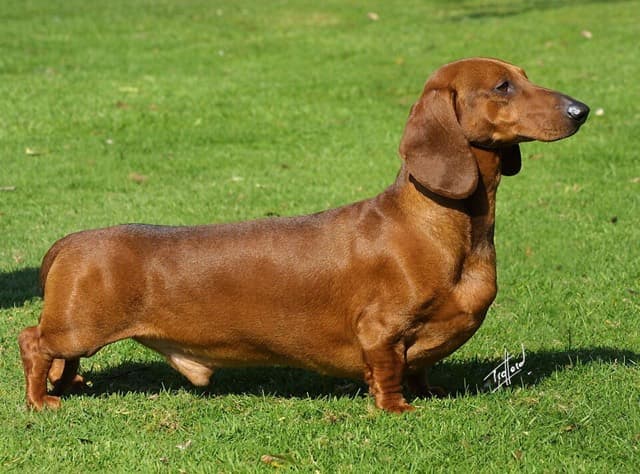
In short
The number on the scales matters, but so does your pet's shape — whether you can feel their ribs, see a waist and spot a tuck behind the ribcage. Weigh regularly, look and feel as well as weigh, and treat gradual change as information. Never put a cat on a crash diet, and talk to your vet before starting any weight-loss plan.
Why body condition matters as much as weight
A healthy weight for one Labrador might be too heavy for another with a lighter frame. Breed averages give a rough idea, but individual build varies a lot, and many pets are mixed breeds anyway. That is why vets look at body condition — how much fat your pet is carrying for their frame — alongside the figure on the scales.
Carrying extra weight can put strain on joints and is linked with a range of health problems in both dogs and cats. Being too thin can also signal that something is wrong. Learning to check your pet's condition yourself means you can spot drift early, when small changes to food or activity are enough.
Body condition scoring in plain terms
Vets commonly use a nine-point scale, where 1 is extremely thin, 9 is severely overweight, and the ideal sits around 4 to 5. You don't need to be precise at home. What matters is noticing which band your pet is in and whether it is changing.
Check three things: ribs, waist and tuck.
- Ribs — Run your flat hands along your pet's sides. At an ideal weight you should be able to feel the ribs easily with light pressure, a bit like feeling the back of your hand. If you have to press firmly, there is extra fat. If the ribs are sharp and obvious, your pet may be too thin.
- Waist — Look down from above. There should be a visible inward curve behind the ribs. A straight or bulging outline suggests excess weight.
- Tuck — Look from the side. The belly should rise up from the chest towards the back legs. In cats, a small loose flap of skin under the belly is normal, but a large, fat-filled pouch is not.
| Rough band | What you'll notice |
|---|---|
| Too thin (around 1–3) | Ribs, spine and hip bones easy to see or feel with no fat cover; very pronounced waist; loss of muscle |
| Ideal (around 4–5) | Ribs easy to feel under a thin layer of fat; clear waist from above; tuck visible from the side |
| Overweight (around 6–7) | Ribs hard to feel; waist barely visible; tuck reduced or absent |
| Obese (around 8–9) | Ribs cannot be felt under thick fat; no waist; belly may hang; fat deposits over the back and base of the tail |
Long or thick coats can hide a lot, so always feel rather than rely on looks alone. Your vet can show you what your own pet's ideal feels like, which is the most useful reference you can have.
Weighing your pet at home
Regular weighing turns a vague impression into a clear trend. Bathroom scales work for most pets if you use the right method.
Dogs: the step-on method
- Weigh yourself on the scales and note the figure.
- Pick up your dog and weigh yourself again while holding them.
- Subtract the first figure from the second.
For large dogs you can't lift, your vet practice will usually let you use their walk-on scales, often without an appointment — it is worth asking.
Cats: the carrier method
- Weigh the empty carrier.
- Put your cat inside and weigh it again.
- Subtract the carrier's weight.
You can also use the step-on method with a cat, but a carrier is often calmer and easier. For small pets, a baby scale or kitchen scale with a container may give a more precise reading, since small changes matter a lot for a 4 kg cat.
For consistent results
- Use the same scales each time, on a hard, level floor.
- Weigh at the same time of day, ideally before a meal.
- Record the figure straight away.
How often to weigh
For a healthy adult pet at a steady weight, once a month is usually enough. Weigh more often — every week or two — if your pet is:
- On a weight-loss or weight-gain plan
- A growing puppy or kitten
- Elderly
- Recovering from illness or has a long-term condition
- Eating differently from usual
Keeping weights in your Petopedia dashboard alongside a monthly body condition note means the trend is there to see, rather than something you have to remember. The Petopedia calculators can then help you think about daily energy needs.
Why gradual change matters
Small fluctuations from day to day are normal. What you're looking for is a steady trend over weeks.
Unplanned weight change, in either direction, is worth paying attention to. A slow, unexplained loss can be easy to miss, particularly in cats and older dogs, and is sometimes an early sign of illness. Comparing weights over several months makes it much more obvious.
When weight change is planned, slow is safer. Gradual loss is more likely to come from fat rather than muscle, is easier for your pet to adjust to, and tends to last.
Losing weight safely
If your pet is overweight, the first step is a conversation with your vet. They can check for any underlying cause, agree a target weight and suggest a realistic plan.
General principles
- Go slowly. A rate of around 1–2% of body weight per week is often suggested for dogs. For cats, vets usually recommend an even gentler pace. Your vet will tailor this to your pet.
- Weigh the food. Small reductions are only possible if you know exactly how much you are feeding. See how much to feed your dog.
- Count the extras. Treats, chews and table scraps can add up quickly. Our guide to treats and human foods has lower-calorie ideas.
- Consider a weight-management diet. These are designed to keep nutrients adequate while reducing calories, which simply feeding less of a normal food may not.
- Add gentle activity. More walks for dogs, more play for cats — increased gradually and suited to your pet's age and health.
A special warning for cats Never crash-diet a cat or let an overweight cat go without food. When a cat, especially an overweight one, eats too little for even a few days, they can develop a serious liver condition. Any cat weight-loss plan should be supervised by your vet, with slow, steady reductions. If your cat stops eating for any reason, contact your vet promptly.
When to talk to your vet
Speak to your vet if:
- Your pet is losing or gaining weight without a clear reason
- You can see ribs, spine or hip bones easily, or your pet seems to be losing muscle
- You can't feel your pet's ribs, or they have no visible waist
- You want to start a weight-loss plan
- Weight change comes with other signs, such as changes in appetite, thirst, energy or toileting
- Your cat has stopped eating or is eating much less than usual
Bring your weight records. A clear trend is far more useful to your vet than a single reading.
Written by the Petopedia editorial team to our editorial standards. This is general information, not veterinary advice — if you're worried about your pet, contact your vet.