Cat Hairballs: Why They Happen and How to Prevent Them
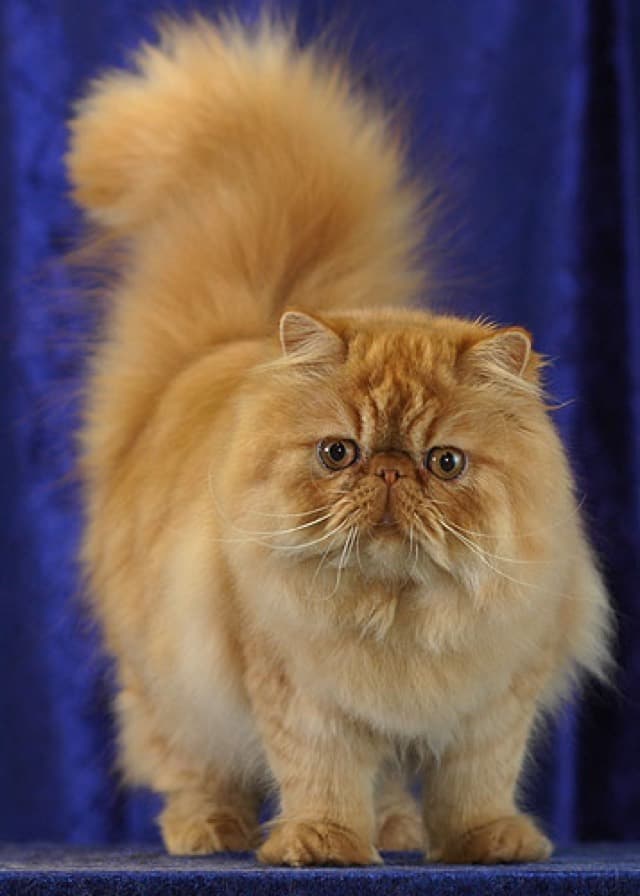
In short
Cats swallow loose fur when they groom, and most of it passes through in their stools. Sometimes it collects in the stomach and comes back up as a hairball. An occasional hairball can be normal, particularly in long-haired cats, but frequent ones are a sign worth investigating. Regular brushing is the most useful thing you can do. Repeated retching without producing anything, a cat who stops eating, or constipation can mean a blockage and need a vet promptly.
What is a hairball?
A cat's tongue is covered in tiny backward-facing hooks that work like a comb. As your cat grooms, loose hair gets caught and swallowed. Usually it moves through the gut and out in the litter tray. When more hair is swallowed than can pass through, or the gut isn't moving it along well, it can clump together in the stomach.
The cat then brings it up, often with a characteristic hacking, gagging sound. Despite the name, hairballs are usually long and sausage-shaped rather than round, because they are squeezed through the food pipe on the way out. They may be mixed with fluid or food.
Is it normal?
The occasional hairball is common, especially in:
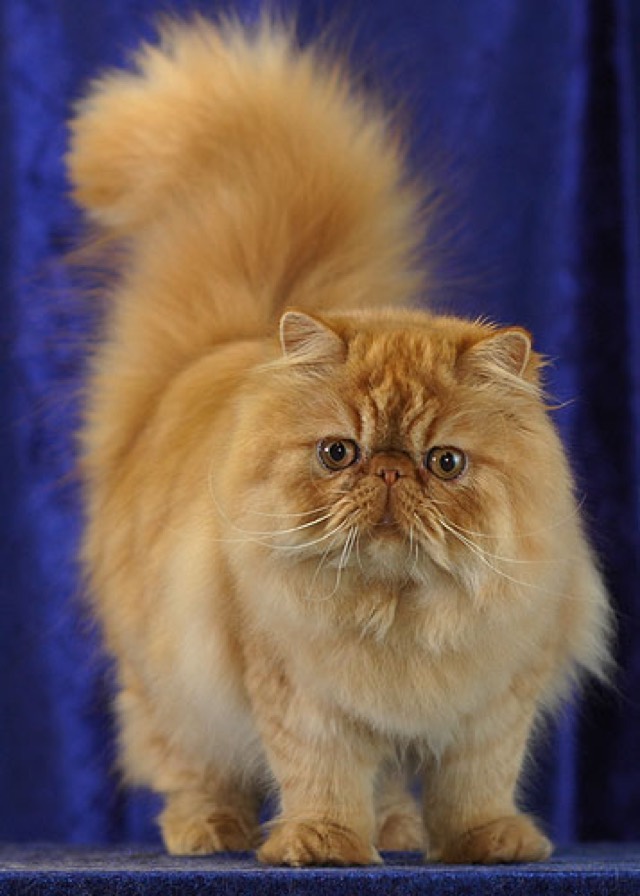
- Long-haired breeds such as Persians, Maine Coons and Norwegian Forest Cats
- Cats who groom a lot, or groom other cats in the house
- Cats during heavy moulting, often in spring and autumn
However, vets increasingly regard frequent hairballs as a sign that something may be off, rather than just something cats do. Over-grooming because of itchy skin, stress or pain can mean more fur swallowed, and gut problems can slow its passage. If your cat is bringing up hairballs often, or more often than they used to, it is worth a check.
Not everything a cat brings up is a hairball either. Our article on cat vomiting: hairballs or something more explains how to tell the difference.
Hairball or something else?
| What you notice | What it may suggest |
|---|---|
| A tube of matted fur, now and then, cat bright afterwards | A typical occasional hairball |
| Hairballs much more often than usual | Over-grooming, itchy skin, moult, or a gut problem |
| Retching or hacking but nothing comes up | Possible hairball stuck, but also asthma or a throat problem |
| Vomiting food or fluid without fur | Not a hairball; another cause is likely |
| Hacking with a low, crouched, neck-stretched posture and no vomit | Could be coughing. See your vet, as this can be asthma |
| Off food, constipated, belly sore | Possible blockage. Needs a vet promptly |
Coughing and retching can look alike in cats. If you aren't sure, a short video on your phone is very helpful for your vet. See our page on asthma in cats for more.
How to reduce hairballs
- Brush regularly. Every hair you remove with a brush is one your cat won't swallow. Long-haired cats usually need daily brushing; short-haired cats benefit from a few sessions a week, more during moults.
- Make brushing pleasant. Keep sessions short, use a brush suited to the coat, start where your cat enjoys being stroked (often the cheeks and back), and pair it with treats. Stop before your cat gets fed up.
- Consider a professional groom for long-haired cats who mat easily or won't tolerate brushing.
- Keep your cat drinking. Good hydration supports healthy gut movement. Water fountains, wide bowls and wet food can all help. Our guide on how much water a cat should drink has tips.
- Ask your vet about diet. Some complete foods are designed to help hair pass through, often by adjusting fibre. Talk to your vet before switching, especially if your cat has other health conditions.
- Don't use human laxatives, oils or home remedies. Ask your vet before giving any hairball product, as some aren't suitable for every cat.
- Look at why your cat is grooming so much. Fleas, allergies, stress and pain can all lead to over-grooming. Treating the cause can reduce hairballs at the source.
Signs of over-grooming
Over-grooming isn't always obvious, because many cats do it in private. Look for:
- Thinning fur or bald patches, often on the belly, inner thighs or flanks
- Short, stubbly hair that feels broken rather than shed
- Red, sore or scabby skin
- Lots of fur in the house, more than seasonal shedding would explain
- More hairballs than usual
Stress-related grooming can follow changes such as a house move, a new pet or a new baby. Our guide to understanding cat body language can help you spot other signs of stress.
When to call your vet
Contact your vet if your cat:
- Brings up hairballs more than occasionally, or more often than is normal for them
- Retches, gags or hacks repeatedly without bringing anything up
- Is off their food or seems quiet and withdrawn
- Has constipation, is straining in the litter tray or hasn't passed stools
- Has a tense or painful tummy, or seems to resent being picked up
- Is losing weight or has diarrhoea
- Is over-grooming, has bald patches or sore skin
Call straight away if your cat is vomiting repeatedly, can't keep water down, is very lethargic, has a swollen belly, is struggling to breathe or is breathing with an open mouth. A hairball or other object blocking the gut can be serious and may need surgery. If your cat is straining in the tray and producing little or nothing, read cat straining in the litter tray, as a urinary blockage is an emergency.
Keep a note of each hairball
It is easy to lose track of how often hairballs happen. A quick note each time, along with what your cat ate, any brushing and their energy that day, quickly shows whether things are getting better or worse. Petopedia lets you log food, water, weight and behaviour, so when you talk to your vet you can say exactly how often it has happened and what else has changed.
Written by the Petopedia editorial team to our editorial standards. This is general information, not veterinary advice — if you're worried about your pet, contact your vet.