Hypothyroidism in Dogs: Signs, Diagnosis and Treatment
In short
Hypothyroidism means a dog's thyroid gland isn't making enough hormone, so their whole body slows down. Typical signs are weight gain, low energy, feeling the cold and a thin or patchy coat. It comes on slowly and is often mistaken for ageing, but once diagnosed it is usually very treatable with a daily tablet and occasional blood tests.
At a glance
| What it is | An underactive thyroid gland, most often caused by the immune system gradually damaging it |
| Who's at risk | Mainly middle-aged, medium to large dogs; some breeds are more prone |
| Main signs | Weight gain without eating more, lethargy, seeking warmth, hair loss on the body and tail, recurring skin and ear infections |
| Contagious? | No |
| Can it be prevented? | No, but early diagnosis and treatment prevent most of its effects |
What it is
The thyroid is a small gland in the neck, made up of two lobes either side of the windpipe. It produces hormones that set the pace of metabolism — essentially, how quickly the body's cells burn energy. Thyroid hormones affect almost every organ, including the skin, heart, muscles and brain.
In hypothyroidism, the gland produces too little hormone. In most dogs, this is because the immune system mistakenly attacks the thyroid over months or years, slowly replacing healthy tissue with scar tissue. In others, the gland simply shrinks and is replaced by fat for reasons that aren't fully understood. By the time signs appear, much of the gland has usually stopped working.
This is the opposite of the overactive thyroid that is common in older cats, described in our guide to hyperthyroidism in cats. In dogs, an underactive thyroid is far more common than an overactive one.
Signs to watch for
Because thyroid hormone affects the whole body, signs are varied and develop gradually. Many dogs show only a few of them:
- Weight gain even though their appetite hasn't increased
- Low energy, sleeping more, or being less keen on walks and play
- Seeking out warm places and disliking the cold
- Dry, dull or brittle coat that sheds heavily or fails to grow back after clipping
- Hair loss, often evenly on both sides of the body, and a thin or bald tail sometimes described as a "rat tail"
- Darkened, thickened or flaky skin
- Repeated skin infections or ear infections
- A slow heart rate
- A sad or puffy-looking face, caused by thickening of the skin
- Less commonly, weakness, a head tilt, dragging feet or other nerve-related problems
None of these signs on its own is specific to hypothyroidism, and several overlap with other conditions such as Cushing's disease, allergies and simple overfeeding. Our guide to obesity in pets explains how to assess your dog's shape.
When to see a vet
Book an appointment if your dog is gaining weight without eating more, seems persistently tired or slow, feels the cold more than they used to, or has ongoing coat, skin or ear problems. These signs aren't usually an emergency, but they deserve proper investigation.
Contact your vet urgently if your dog:
- Becomes very weak, extremely sluggish or difficult to rouse
- Collapses or has a seizure
- Develops a sudden head tilt, loss of balance or facial drooping
- Is on thyroid treatment and becomes restless, pants heavily, drinks a lot more, loses weight quickly or has a racing heart — these may mean the dose needs reviewing
Severe untreated hypothyroidism can, rarely, lead to a life-threatening state with very low body temperature and dullness, which needs emergency care.
How vets diagnose it
Diagnosis is based on a combination of signs and blood tests, and it can be less straightforward than it sounds.
- General blood tests often show raised cholesterol and sometimes mild anaemia, which point towards an underactive thyroid.
- Thyroid hormone tests measure the amount of thyroid hormone in the blood, usually alongside the hormone from the pituitary gland that stimulates the thyroid. Looking at these together gives a more reliable picture than any one result.
- Further tests, such as checking for antibodies against the thyroid or scanning the gland, may be used in less clear-cut cases.
A key difficulty is that many other illnesses, and some medicines, can temporarily lower thyroid hormone levels in a dog whose thyroid is actually healthy. For this reason, your vet may want to treat other problems first, or repeat tests later, rather than start lifelong treatment on a single borderline result. Some sighthound breeds also naturally have lower levels than other dogs.
Treatment and management
Treatment replaces the missing hormone with a synthetic version given by mouth, usually once or twice a day. It is generally very effective and needed for life.
- Starting treatment. Your vet will choose a starting dose based on your dog's weight and health.
- Monitoring. A blood test is usually repeated a few weeks after starting, timed in relation to the tablet, to check the dose is right. Once stable, checks are typically needed less often, though your vet will advise how frequently.
- Treating complications. Skin and ear infections may need their own treatment while the hormone levels recover.
Energy and alertness often improve within a few weeks. Weight loss follows over a couple of months, while coat and skin can take several months to recover fully. Some dogs look like a different animal by the end of the first year.
Too much hormone can cause problems too, including restlessness, weight loss, increased thirst and a fast heart rate. Never change the dose without your vet's advice.
Living with it
Most dogs with well-managed hypothyroidism live completely normal lives.
- Give the tablet at the same time each day, and be consistent about whether it is given with or without food, as this can affect how it is absorbed.
- Keep track of your dog's weight; the pet calculators can help plan portions as metabolism returns to normal.
- Increase exercise gradually as energy returns.
- Order repeat prescriptions in good time so you don't run out.
- Attend regular check-ups, and mention any return of old signs or any new ones.
If your dog has other long-term conditions, such as heart disease or diabetes, your vet may start thyroid treatment more cautiously and monitor more closely.
Prevention
There is no known way to prevent hypothyroidism, as most cases are caused by the immune system or are inherited tendencies. Some breed clubs encourage thyroid antibody screening of dogs before breeding. Regular health checks and watching for the slow changes listed above are the best way to catch it early.
Breeds more at risk
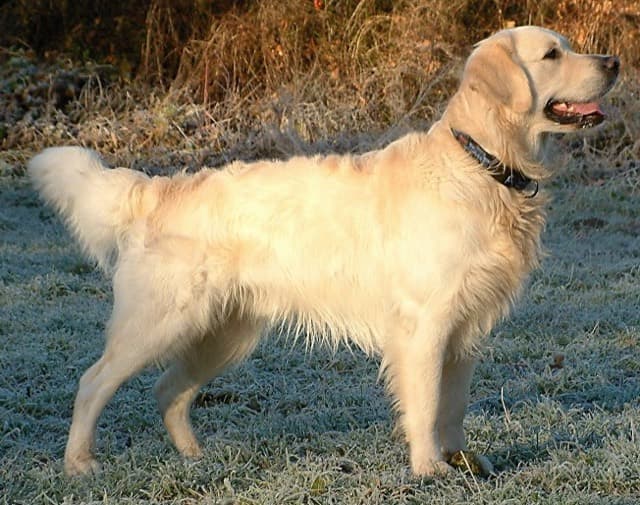
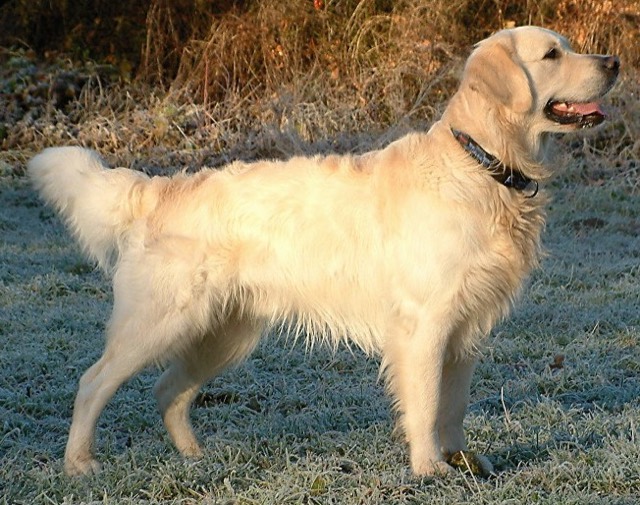
Any dog can develop hypothyroidism, but it is more often diagnosed in medium to large breeds, usually between middle age and older age. Breeds with a recognised predisposition include the golden retriever, Dobermann, cocker spaniel, Irish setter, boxer and Old English sheepdog.
Written by the Petopedia editorial team to our editorial standards. This is general information, not veterinary advice — if you're worried about your pet, contact your vet.