Bringing Home a Kitten: A Practical First-Weeks Guide

In short
Start your kitten in one quiet, well-equipped room and let them explore the rest of the home at their own pace. Feed small, weighed meals of kitten food, keep hazards out of reach, and book an early vet visit to agree a care plan that suits your kitten.
Before your kitten arrives
A new home is a lot to take in for a small animal. Most kittens settle faster when they begin in a single room rather than the whole house. A spare bedroom, study or quiet corner of a flat works well, as long as it can be closed off from other pets, noisy appliances and heavy foot traffic.
Set up the room a day or two before collection so it already smells familiar to you and feels calm. You will want:
- A litter tray, litter and a scoop
- Food and water bowls, ideally shallow and easy to clean
- Kitten food, preferably the same type they have been eating so far
- A soft bed, plus a covered hiding spot such as a cardboard box on its side
- A scratching post that is sturdy and tall enough for a full stretch
- A few safe toys
- A secure carrier for the journey home and future vet trips
Place the bed, food and litter tray in separate areas of the room. Cats generally prefer not to eat near where they toilet.
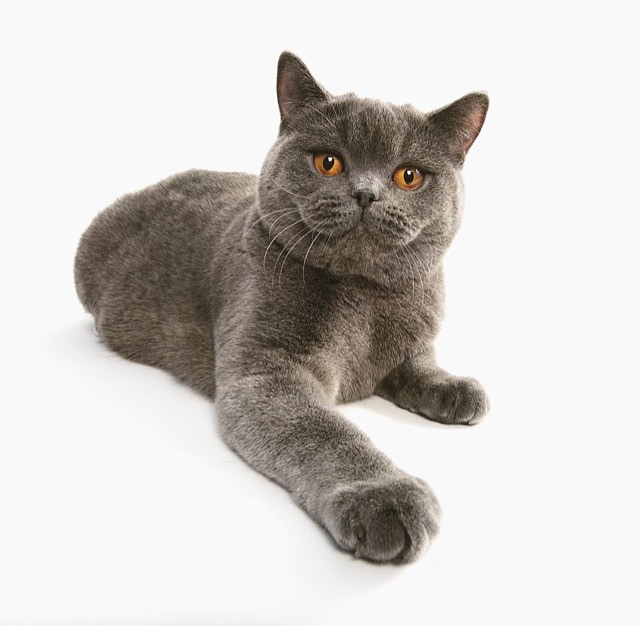
Setting up the litter tray
Choose a tray with a low entry so a small kitten can step in easily. An unscented, fine-grained litter is usually accepted well, and if you know what the kitten used before, starting with the same type helps. You can change gradually later if you want to.
Keep the tray in a quiet spot that is easy to reach but not in a busy walkway. Scoop solids at least once a day and refresh the litter regularly. Gently place your kitten in the tray after meals and naps for the first few days; most pick up the habit quickly. If accidents happen, clean with an enzyme-based cleaner rather than one containing ammonia, which can smell like urine to a cat. Our guide to litter tray problems covers what to do if habits slip.
Feeding little and often
Kittens have small stomachs and high energy needs, so they do best on several small meals spread through the day rather than one or two large ones. Feed a complete food labelled for kittens or for growth, as adult food does not meet the needs of a growing cat.
- Follow the feeding guide on the pack as a starting point. It is usually given per day, so divide it across the meals.
- Weigh portions with kitchen scales. Scoops and cups vary a lot, and small errors add up quickly at this size.
- If you are changing food, mix the new one in gradually over a week or so to avoid an upset stomach.
- Keep fresh water available at all times, and try a second bowl in a different spot if your kitten seems reluctant to drink.
- Skip cow's milk. Many cats do not digest it well, and kittens do not need it once weaned.
Check the toxic foods list before sharing anything from your plate. The calculators at /pet-calculators can help you sense-check portions as your kitten grows.
Kitten-proofing your home
Kittens climb, chew and squeeze into gaps you did not know existed. Before letting yours roam, walk through each room at floor level and then at shelf level.
| Hazard | What to do |
|---|---|
| Electrical cables and chargers | Tidy behind furniture, use cable covers, unplug when not in use |
| Blind and curtain cords | Tie up out of reach or fit cleats |
| Lilies | Keep them out of the home entirely; all parts, including pollen and vase water, are dangerous to cats |
| Open windows and balconies | Fit secure screens or keep them closed; kittens can fall or slip out |
| Washing machines and tumble dryers | Keep doors shut and check inside before every use |
| Small objects, string, hair ties, elastic bands | Put away; these can be swallowed |
| Medicines and cleaning products | Store in closed cupboards |
| Toilet lids and open bins | Keep lids down |
Some houseplants are also harmful, so check before bringing new ones in. If you think your kitten has eaten something they should not have, contact your vet straight away rather than waiting for signs.
Safe toys and play
Play is how kittens burn off energy, practise hunting and learn what is acceptable. Short sessions several times a day suit their attention span.
- Wand toys with a feather or fabric end let your kitten chase and pounce while your hands stay at a distance.
- Lightweight balls, crinkle toys and cardboard boxes are cheap and popular.
- Put string, ribbon and wand toys away after use, as these can be swallowed if left out.
- Rotate toys every few days to keep them interesting.
Never use your hands or feet as toys. Wrestling with fingers can seem harmless with a tiny kitten, but it teaches them that biting and scratching people is part of the game, and that habit is much less charming in an adult cat. If your kitten grabs you, go still, then redirect them to a toy. For longer-term ideas, see our guide to indoor cat enrichment.
Introducing other pets
Take introductions slowly, even if your existing pets are usually friendly. Rushing can cause stress that takes much longer to undo.
- Scent first. Keep the kitten in their base room for the first few days. Swap bedding between animals so each gets used to the other's smell.
- Sight next. Use a baby gate or a door opened a crack so they can see each other without contact. Keep sessions short and pair them with treats or meals.
- Supervised time together. Once both seem relaxed, let them share a room while you watch. Make sure the kitten always has an escape route and somewhere high or enclosed to retreat to.
Resident cats should keep their own food, water, litter trays and resting spots, so they do not feel pushed out. With dogs, keep them on a lead for early meetings and reward calm behaviour. Learning to read cat body language helps you spot when either animal needs a break.
The first vet visit
Book a check-up within the first week or two, even if your kitten seems healthy. It is a chance for the vet to examine them, check their weight and answer your questions. Bring any paperwork from the breeder or rescue.
Rather than relying on a general timetable, ask your vet to set out a plan for your kitten's:
- Vaccinations: which ones they recommend and when, based on your kitten's age, history and lifestyle
- Parasite control: worming and flea treatment suitable for their age and weight
- Neutering: the timing they advise for your kitten
- Microchipping: whether it has already been done and, if so, how to update the registered details to your own
Write the plan down so you know what is due next. Until your vet confirms your kitten is protected, ask whether they should stay indoors.
Handling and socialisation
The early months are when kittens learn what is normal. Gentle, positive experiences now make for a more confident adult cat.
- Handle your kitten briefly each day, touching paws, ears and mouth, then reward with a treat or play. This makes later grooming, nail trims and vet checks easier.
- Leave the carrier out with a blanket inside so it becomes a resting place rather than a sign of a trip.
- Introduce everyday sounds, visitors and household routines gradually, letting your kitten watch from a safe distance.
- Teach children to sit on the floor, let the kitten come to them and stroke gently, and never pick them up without help.
- Let your kitten retreat whenever they want. Forcing contact usually backfires.
Starting a weight log
Weighing your kitten regularly is one of the simplest ways to check they are growing well. Kitchen or baby scales work for small kittens; later you can weigh yourself holding them and subtract your own weight.
Weigh at the same time of day, perhaps once a week, and note it alongside any change in food or appetite. A steady upward trend is what you are looking for. A sudden drop, a stall, or a kitten who stops eating is worth a call to your vet. If you want somewhere to keep these records, you can create a Petopedia account and log weights over time, and our guide to healthy weight and body condition explains what to look for as your kitten matures.
Written by the Petopedia editorial team to our editorial standards. This is general information, not veterinary advice — if you're worried about your pet, contact your vet.