How much exercise does a dog need?
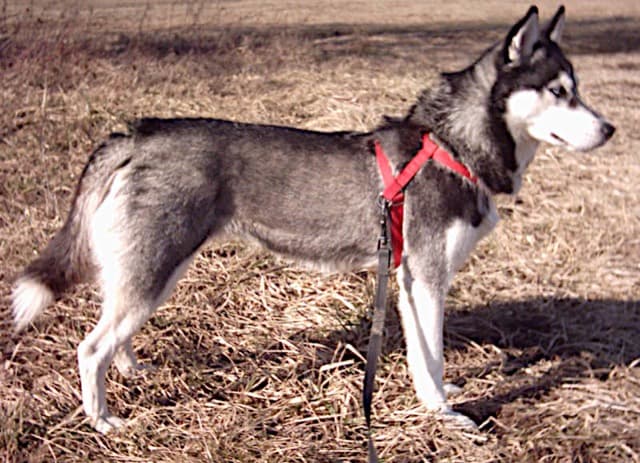
In short
Most healthy adult dogs need somewhere between half an hour and two hours of activity a day, depending on breed type, age and health. Mix physical exercise with sniffing, training and puzzle games, keep puppies' sessions short and gentle, and adjust based on how your dog actually responds.
Why there is no single answer
Exercise needs vary a great deal from dog to dog. Two dogs of the same size can have very different requirements because of what they were originally bred to do, how old they are and how healthy their joints, heart and breathing are. Individual personality matters too: some dogs are simply busier than others.
Treat any figure you read, including the ones in this guide, as a starting point. Your dog's behaviour, body condition and recovery after activity will tell you far more than a number.
How breed type affects exercise needs
Breed groups give a useful first clue. If you are not sure where your dog fits, the dog breeds section of Petopedia describes typical energy levels for many breeds and crosses.
- Herding, working and gundog breeds such as collies, shepherds, spaniels, retrievers and pointers were bred to work for hours. They usually need plenty of daily exercise plus jobs for their brains.
- Terriers are often more energetic than their size suggests and enjoy games that let them dig, chase and problem-solve.
- Companion and toy breeds generally need less, though they still benefit from daily walks and play.
- Flat-faced (brachycephalic) breeds such as pugs, French bulldogs and bulldogs can struggle to breathe and cool down. Keep their exercise moderate, avoid warm parts of the day and stop at the first sign of laboured breathing.
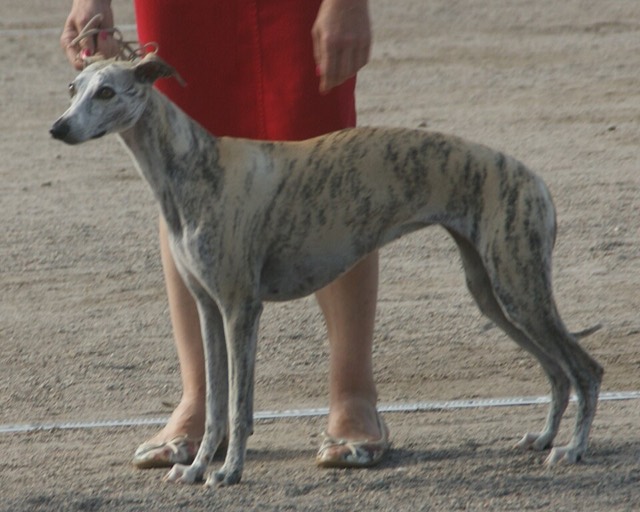
- Sighthounds such as greyhounds and whippets tend to love a short, fast sprint in a safe, enclosed space, then spend much of the day resting. Long endurance walks are not usually what they crave.
Mixed-breed dogs often sit somewhere between their parent types, so watch your own dog rather than relying on labels.
Rough daily ranges
The exercise calculator on the Petopedia calculators page uses broad bands based on energy level. These are guides for healthy adult dogs, not targets you must hit.
| Energy level | Typical examples | Suggested daily activity |
|---|---|---|
| Low | Many toy, companion and flat-faced breeds, many older dogs | About 30–60 minutes |
| Moderate | Many terriers, hounds and mixed breeds | About 60–90 minutes |
| High | Many herding, working and gundog breeds | About 90–120 minutes |
You do not need to do it all at once. Two or three shorter outings are often better than one long one, especially for small dogs, older dogs and those with health conditions. Activity can include walks, off-lead running where it is safe, fetch, swimming, tug and training games.
Mental exercise counts too
A tired body is only half the picture. Dogs also need to use their noses and brains, and mental work can tire a dog out surprisingly well.
- Sniffing. Let your dog stop and sniff on walks. A slow, sniff-led walk can be more satisfying than a fast march.
- Scatter feeding and snuffle mats. Scatter part of a meal on the lawn or in a snuffle mat so your dog has to search for it.
- Puzzle feeders. Start with easy puzzles so your dog succeeds, then make them harder over time.
- Training. Short sessions of five to ten minutes, teaching new cues or tricks with rewards, are a great way to engage your dog.
- Scent games. Hide a treat or toy in one room and ask your dog to find it.
If you use food for games, take it from the daily allowance so your dog does not gain weight. Check the toxic foods list before using any human food as a reward.
Puppies and growing dogs
Puppies have plenty of energy in short bursts, but their joints and growth plates are still developing. This is especially important for large and giant breeds, which grow for longer.
- Avoid forced, long-distance exercise such as running alongside a bike or long jogs.
- Favour free play on soft ground, short walks and gentle exploring.
- Let your puppy rest when they want to. Young puppies need a lot of sleep.
- Limit repetitive jumping, steep stairs and jumping in and out of cars while they are growing.
Advice on exactly how much and when to increase activity varies, so ask your vet what suits your puppy's breed and size. Our guide to bringing home a puppy covers the early weeks in more detail.
Older dogs and dogs with health conditions
Senior dogs usually still enjoy daily activity, but they often do better with shorter, gentler and more frequent outings. Dogs with arthritis, heart or breathing problems, or those recovering from illness or surgery, may need a tailored plan. See our guide to caring for a senior dog for more ideas.
Weather matters for every dog. In warm conditions, walk early or late, carry water and cut sessions short. Our hot weather safety guide explains the warning signs of overheating.
Signs of too little exercise
A dog who is not getting enough physical or mental activity may show:
- Restlessness, pacing or difficulty settling in the evening
- Chewing, digging or other destructive behaviour
- Excessive barking or attention-seeking
- Pulling hard on the lead and over-excitement on walks
- Gradual weight gain
These signs can have other causes, including anxiety or health problems, so more exercise is not always the whole answer.
Signs of too much exercise
Doing too much can also cause problems. Watch for:
- Lagging behind, lying down or refusing to continue
- Heavy panting that takes a long time to settle
- Stiffness, limping or reluctance to move the next day
- Sore, worn or cracked paw pads
- Unusual tiredness that lasts beyond normal rest
If you see these, scale back and build up more slowly. A gradual increase over several weeks is kinder than a sudden jump in activity.
Tracking activity and rest
Keeping a simple record helps you spot patterns. Note how long each walk or play session lasted, what kind of activity it was and how your dog seemed afterwards. Rest is just as worth noting: most adult dogs spend a large part of the day sleeping or resting, and changes in that pattern can be meaningful.
Petopedia lets you log activity alongside weight, so you can see whether changes in exercise line up with changes in body condition. Our healthy weight and body condition guide explains how to check your dog's shape at home.
When to talk to your vet
Speak to your vet before starting a new exercise routine if your dog is a puppy, a senior, overweight, a flat-faced breed or has a known health condition. Contact them promptly if your dog collapses, struggles to breathe, coughs during exercise, becomes suddenly lame or seems unusually reluctant to move. Petopedia can help you track patterns, but it is not a substitute for veterinary advice.
Written by the Petopedia editorial team to our editorial standards. This is general information, not veterinary advice — if you're worried about your pet, contact your vet.