How Often Should You Bathe a Dog?
In short
There is no single right schedule. Many dogs only need a bath every so often, when they are dirty or smelly, and regular brushing does more for a healthy coat than frequent washing. Bathing too often, or with human shampoo, can dry out the skin. Some dogs with skin conditions need medicated baths on a schedule set by their vet. If your dog smells bad again soon after a bath, or is itchy, greasy or flaky, that is a reason to see a vet rather than to bathe more.
Why there's no one answer
Dogs' skin and coats are designed to look after themselves to a large degree. Natural oils protect the skin and help repel water and dirt. How often your dog needs a bath depends on:
- Coat type. Short, smooth coats often stay clean with a wipe-down. Long, silky or curly coats can trap dirt and tangle, so they may need more frequent washing alongside careful brushing.
- Lifestyle. A dog who swims in muddy rivers or rolls in fox poo will need more baths than a dog who mostly naps on the sofa.
- Skin health. Dogs with allergies or skin infections may be prescribed a medicated wash by their vet, with clear instructions on how often to use it.
- Age. Puppies and elderly dogs can get cold quickly, so baths should be warm, quick and well dried.
A rough guide by coat type
These are general starting points, not rules. Your vet or a groomer can advise for your individual dog.
| Coat type | Examples | Bathing approach |
|---|---|---|
| Short and smooth | Greyhound, Whippet, Labrador | Occasional baths when dirty; brushing and a damp cloth in between |
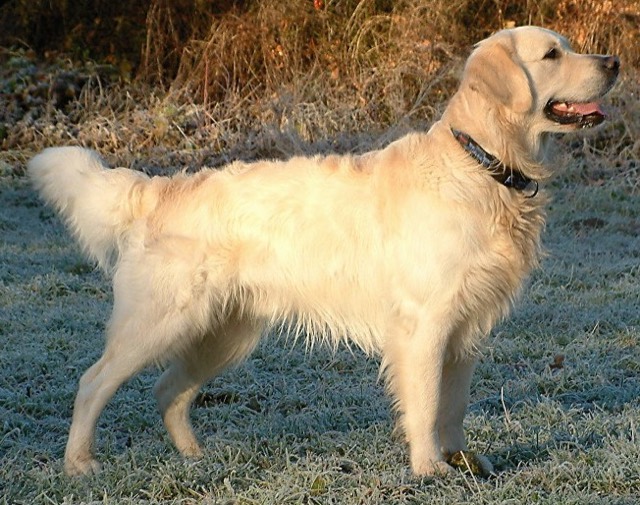
| Double coat | Husky, German Shepherd, Golden Retriever | Occasional baths, with thorough brushing and complete drying to the skin |
| Long or silky | Shih Tzu, Cavalier King Charles Spaniel | Regular baths alongside daily or near-daily brushing to stop mats |
| Curly or low-shedding | Poodle and poodle crosses | Regular baths and professional clips; brush out tangles before washing |
| Wiry | Many terriers | Occasional baths; hand-stripping or trimming as advised by a groomer |
| Hairless or very thin coat | Some sighthounds and hairless breeds | Skin care advice from your vet; protection from sun and cold |
Signs your dog needs a bath
- Visible mud, dirt or something unpleasant they have rolled in
- A doggy smell that is stronger than normal for them
- A coat that feels sticky, greasy or dull
- After swimming in the sea, in a pond or anywhere with algae or chemicals (rinse straight away and see your vet urgently if you think they may have swallowed blue-green algae water)
How to bathe your dog
- Brush first. Remove loose hair and tangles before getting the coat wet. Mats tighten when wet and become harder to remove.
- Get everything ready. Have a dog shampoo, towels, a non-slip mat and treats to hand before you start, so you aren't leaving a wet dog in the bath.
- Use lukewarm water. Test it on your wrist. Too hot or too cold is uncomfortable.
- Wet the coat thoroughly, starting from the neck and working back. Keep water out of the ears and eyes. Use a damp cloth for the face.
- Use a dog shampoo. Human shampoos are made for human skin and can be harsh on dogs. If your dog has a skin condition, use only what your vet has recommended, in the way they advised.
- Rinse really well. Leftover shampoo can irritate the skin. Keep rinsing until the water runs clear and the coat no longer feels slippery.
- Dry completely. Towel dry, then let them shake. For thick coats, a pet-safe dryer on a cool setting helps, if your dog is comfortable with it. Damp undercoat can lead to sore, smelly skin.
- Reward throughout. Treats, calm praise and a short, cheerful bath help your dog learn that it isn't a scary experience.
Making bath time less stressful
Some dogs love water; others hate the bath. If your dog struggles:
- Practise standing in the empty bath or shower tray with treats, without any water
- Use a lick mat stuck to the side of the bath to keep them occupied
- Use a hand-held shower or jug rather than pouring water over their head
- Keep sessions short and stop on a good note
- Consider a professional groomer if bathing at home is too stressful for either of you
Never force or restrain a frightened dog. It makes the next bath harder and can lead to bites.
Can you bathe a dog too much?
Yes. Frequent bathing with unsuitable products can strip natural oils and leave the skin dry, flaky and itchy, which some owners then try to fix with even more washing. If your dog seems to need baths very often to stay pleasant to be around, there may be a skin problem underneath.
When to call your vet
Make an appointment if your dog has:
- A smell that comes back quickly after bathing, or a yeasty or rancid smell
- Itching, licking, chewing or scratching that doesn't settle. See why is my dog scratching so much
- Red, sore, flaky, greasy or scabby skin, or bald patches
- Lumps, bumps or wounds you notice during the bath
- Ear smells, head shaking or discharge from the ears
- A reaction after a bath, such as redness, hives or swelling
Facial swelling, hives with breathing difficulty, or collapse after contact with any product is an emergency. Rinse your dog and call your vet straight away.
Our page on allergies and itchy skin in dogs explains what your vet may look for.
Bath time is a good health check
Bathing and brushing are great chances to look over your dog's whole body: skin, ears, nails, paws and any lumps. Our guide to grooming basics covers the rest of the routine. Petopedia lets you log food, water, weight and behaviour, and noting when you bathed your dog and what you saw makes it easier to spot a new lump or a coat that has suddenly changed.
Written by the Petopedia editorial team to our editorial standards. This is general information, not veterinary advice — if you're worried about your pet, contact your vet.