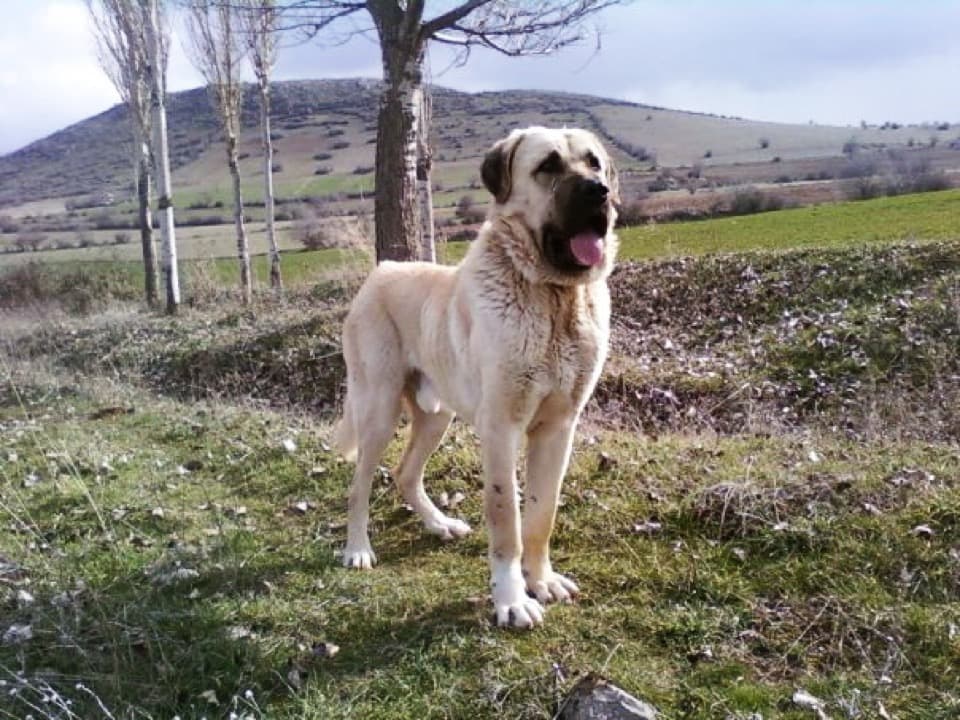
Aksaray Malaklisi
Also known as Malaklı Karabaş · Turkish Mastiff · Anatolian Lion · Aksaray Malaklısı
Turkey, Mastiffs and guardian dogs
- Size
- Giant
- Height
- 70–85 cm
- Weight
- 60–85 kg
- Life expectancy
- 10–13 yrs
- Powerful
- Protective
- Independent
- Territorial
Heights and weights are typical adult ranges; individual dogs vary.
The Aksaray Malaklisi is a massive livestock guardian from Aksaray Province in central Anatolia. It is among the heaviest of the Turkish flock dogs, with a large head, a black mask, a short coat and loose, hanging lips; the name is said to refer to those heavy jowls. Genetic work suggests it is distinct from the Kangal, Akbash and Kars dogs.
Size
- Size
- Giant
- Height at shoulder
- 70–85 cm
- Adult weight
- 60–85 kg
Typical adult ranges. Males are often at the top of the range and females at the bottom. Bigger breeds keep filling out until 18–24 months.
Lifespan
10–13 years
Most Aksaray Malaklisis live 10–13 years. Like other giant dogs, they're usually considered senior from about 6, when twice-yearly vet checks help catch problems early. Keeping them lean is one of the most effective things you can do for a long life. How old is that in human years?
Temperament
It is bred to defend sheep against wolves and to take its orders from one master. It can be aggressive towards unfamiliar people and often will not accept another dog of the same sex working alongside it. This is not a dog for first-time owners or busy households with lots of visitors.
- Powerful
- Protective
- Independent
- Territorial
Food
For a typical 72.5 kg adult- Energy
- ≈ 2,780 kcal
- a day, neutered adult
- Water
- 2.9 L–4.4 L
- a day, from all sources
- Most adults do well on two measured meals a day rather than one large one.
- Bloat is a risk in this breed: split food into smaller meals, avoid vigorous exercise for an hour either side of eating, and know the signs.
- Puppies of large breeds need a diet made for large-breed growth, so they grow steadily rather than fast.
- Choose a complete food for their life stage, and ask your vet before changing diet if they have a health condition.
Starting points only — age, activity and the food itself change the numbers. Work out portions for your dog · Foods to avoid
Exercise
30–60 min a dayIt does not need high-speed exercise, but it does need a large, securely fenced area to patrol and steady daily walks to stay fit. Its natural job is to guard rather than run.
Grooming & shedding
The short coat is easy to look after with a weekly brush. Wipe the lip folds if they get dirty or damp.
Health
Because of its size and guarding drive, an Aksaray Malaklisi needs an experienced owner, very secure fencing and careful socialisation from puppyhood. Some have been exported for flock work or as property guards, but it remains uncommon outside Turkey. Large guardian breeds may be restricted in some places, so check local rules. Keep growing puppies lean and avoid over-exercising them.
The breed can be prone to
- Little breed-specific health research is available
- Published lifespan figures are poorly verified
- Joint problems are a general concern in giant breeds
Health tests to ask a breeder about
- Hip and elbow scoring
Not every Aksaray Malaklisi is affected, and this isn't a diagnosis. See common conditions and the symptom checker.
History
The breed takes its name from Aksaray Province, where shepherds have long kept heavy dogs to protect their flocks. A pair of dogs is said to be able to guard flocks of several hundred sheep. The Turkish Dog Federation has published a breed standard, and some dogs have been sent abroad as working guardians.
- Country of origin
- Turkey
- Type
- Mastiffs and guardian dogs
- Recognition
- Recognised by the Turkish Dog Federation; not recognised by the FCI, AKC or The Kennel Club
Is a Aksaray Malaklisi right for you?
Could suit
- Calmer households and owners who prefer gentle walks
- People who'd rather not spend much time grooming
Think twice if
- This is your first dog — an independent breed can be a challenge to train
- Space, food and vet costs are a concern — giant breeds need more of all three
Cost to keep
Highest than average- Food, insurance and medicines cost more for a big dog
- Little or no professional grooming needed
- A 10–13 year commitment
- Budget for breed-related health checks or insurance
A relative guide, not a price — costs vary a lot by country, insurer and lifestyle.
Not sure? Try the breed finder.
Aksaray Malaklisi FAQ
How big does a Aksaray Malaklisi get?
Adult Aksaray Malaklisis typically stand about 70–85 cm at the shoulder and weigh around 60–85 kg. Individuals vary, and males are often larger than females.
How long do Aksaray Malaklisis live?
Typically 10–13 years. Keeping them lean, active and up to date with vet checks gives the best chance of a long, healthy life.
How much exercise does a Aksaray Malaklisi need?
As a guide, around 30–60 minutes a day, split between walks, play and sniffing time. Puppies and older dogs need shorter, gentler sessions.
How much grooming does a Aksaray Malaklisi need?
An occasional brush is plenty. Check ears, teeth and nails as part of the routine.
Are Aksaray Malaklisis easy to train?
Often independent-minded, so training needs patience, consistency and high-value rewards.
Do Aksaray Malaklisis shed?
A little. Regular brushing keeps loose hair under control.
Are Aksaray Malaklisis good with children?
They're often better suited to adults or older, calm children. Always supervise young children with any dog, and teach them to give the dog space.
Can a Aksaray Malaklisi live in a flat?
It's usually a challenge — as long as they get enough daily exercise and time outdoors.
What health problems do Aksaray Malaklisis have?
The breed can be prone to little breed-specific health research is available, published lifespan figures are poorly verified, joint problems are a general concern in giant breeds. Not every Aksaray Malaklisi is affected — ask a breeder about health testing, and your vet about what to watch for.
Written by the Petopedia editorial team to our editorial standards. General guidance, not veterinary advice.