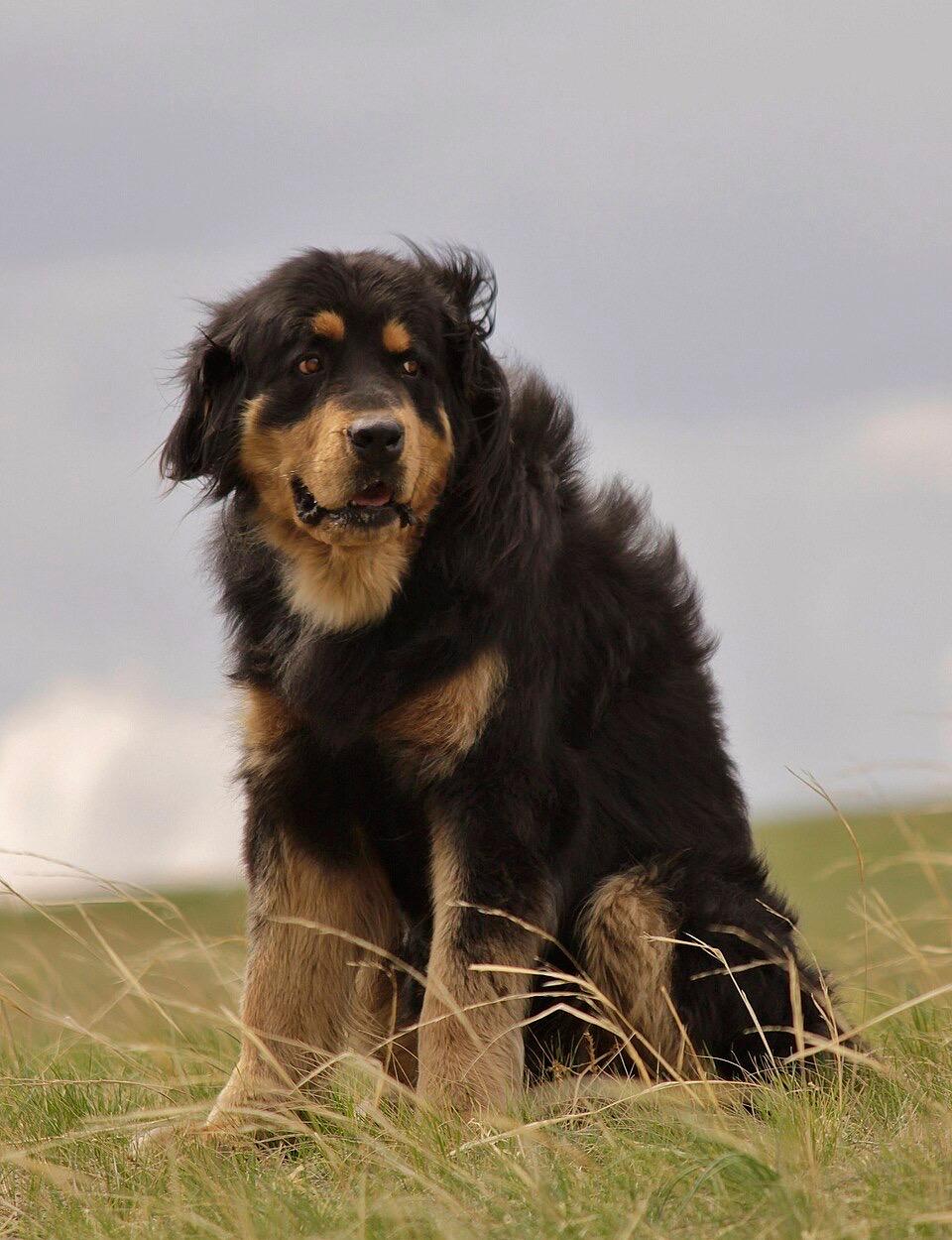
Bankhar Dog
Also known as Buryat-Mongolian Wolfhound · Hotosho · Mongolian Bankhar
Mongolia, Mastiffs and guardian dogs
- Size
- Giant
- Height
- 65–75 cm
- Weight
- 50–60 kg
- Life expectancy
- 12–18 yrs
- Protective
- Independent
- Hardy
- Devoted
Heights and weights are typical adult ranges; individual dogs vary.
The Bankhar is a large, powerful livestock guardian landrace from Mongolia and the Buryat region of Russia. It has a short or long coat, usually black, black and tan or red, and dark dogs with tan spots over the eyes are especially prized. It is endangered and rarely seen outside its homeland.
Size
- Size
- Giant
- Height at shoulder
- 65–75 cm
- Adult weight
- 50–60 kg
Typical adult ranges. Males are often at the top of the range and females at the bottom. Bigger breeds keep filling out until 18–24 months.
Lifespan
12–18 years
Most Bankhar Dogs live 12–18 years. Like other giant dogs, they're usually considered senior from about 6, when twice-yearly vet checks help catch problems early. Keeping them lean is one of the most effective things you can do for a long life. How old is that in human years?
Temperament
Bankhars are affectionate and gentle with their own families, including children, but formidable against intruders, whether people or predators such as wolves and snow leopards. They are intelligent and independent thinkers, as guardian dogs need to be.
- Protective
- Independent
- Hardy
- Devoted
Food
For a typical 55 kg adult- Energy
- ≈ 2,260 kcal
- a day, neutered adult
- Water
- 2.2 L–3.3 L
- a day, from all sources
- Most adults do well on two measured meals a day rather than one large one.
- Bloat is a risk in this breed: split food into smaller meals, avoid vigorous exercise for an hour either side of eating, and know the signs.
- Puppies of large breeds need a diet made for large-breed growth, so they grow steadily rather than fast.
- Choose a complete food for their life stage, and ask your vet before changing diet if they have a health condition.
Starting points only — age, activity and the food itself change the numbers. Work out portions for your dog · Foods to avoid
Exercise
60–90 min a dayModerate exercise is enough, but they need a large, securely fenced territory to patrol. They are happiest with livestock or land to guard and are not suited to flats.
Grooming & shedding
Coat care depends on coat length; weekly brushing is usually enough, with more during the heavy seasonal moult.
Health
This is a working guardian rather than a casual pet, and it needs experienced owners, early socialisation and secure boundaries. It is built for harsh cold and needs relatively little food for its size. Joint problems are reported to be rare and lifespans long for a big dog.
The breed can be prone to
- Few breed-specific problems reported
- Hip dysplasia appears rare
Health tests to ask a breeder about
- Hip and elbow scoring
Not every Bankhar Dog is affected, and this isn't a diagnosis. See common conditions and the symptom checker.
History
The Bankhar is an old guardian type kept by Buryat and Mongol herders, and genetic studies point to it being a very early, basal livestock dog. It was nearly wiped out in the 20th century when nomads were forced into settlements and dogs were killed, partly for their pelts. Conservation projects in Mongolia and Russia have since placed dogs with herders to protect flocks and reduce conflict with wild predators.
- Country of origin
- Mongolia
- Type
- Mastiffs and guardian dogs
- Recognition
- Kept as a landrace in Mongolia and Buryatia, with conservation breeding projects; not recognised by the FCI, AKC or The Kennel Club
Is a Bankhar Dog right for you?
Could suit
- Owners who can manage a good walk or two each day
- People who'd rather not spend much time grooming
Think twice if
- This is your first dog — an independent breed can be a challenge to train
- Space, food and vet costs are a concern — giant breeds need more of all three
Cost to keep
Highest than average- Food, insurance and medicines cost more for a big dog
- Little or no professional grooming needed
- A 12–18 year commitment
- Budget for breed-related health checks or insurance
A relative guide, not a price — costs vary a lot by country, insurer and lifestyle.
Not sure? Try the breed finder.
Bankhar Dog FAQ
How big does a Bankhar Dog get?
Adult Bankhar Dogs typically stand about 65–75 cm at the shoulder and weigh around 50–60 kg. Individuals vary, and males are often larger than females.
How long do Bankhar Dogs live?
Typically 12–18 years. Keeping them lean, active and up to date with vet checks gives the best chance of a long, healthy life.
How much exercise does a Bankhar Dog need?
As a guide, around 60–90 minutes a day, split between walks, play and sniffing time. Puppies and older dogs need shorter, gentler sessions.
How much grooming does a Bankhar Dog need?
A brush once a week. Check ears, teeth and nails as part of the routine.
Are Bankhar Dogs easy to train?
Often independent-minded, so training needs patience, consistency and high-value rewards.
Do Bankhar Dogs shed?
Quite a lot. Regular brushing keeps loose hair under control — expect more around spring and autumn.
Are Bankhar Dogs good with children?
Many get on well with children. Always supervise young children with any dog, and teach them to give the dog space.
Can a Bankhar Dog live in a flat?
It's usually a challenge — as long as they get enough daily exercise and time outdoors.
What health problems do Bankhar Dogs have?
The breed can be prone to few breed-specific problems reported, hip dysplasia appears rare. Not every Bankhar Dog is affected — ask a breeder about health testing, and your vet about what to watch for.
Written by the Petopedia editorial team to our editorial standards. General guidance, not veterinary advice.