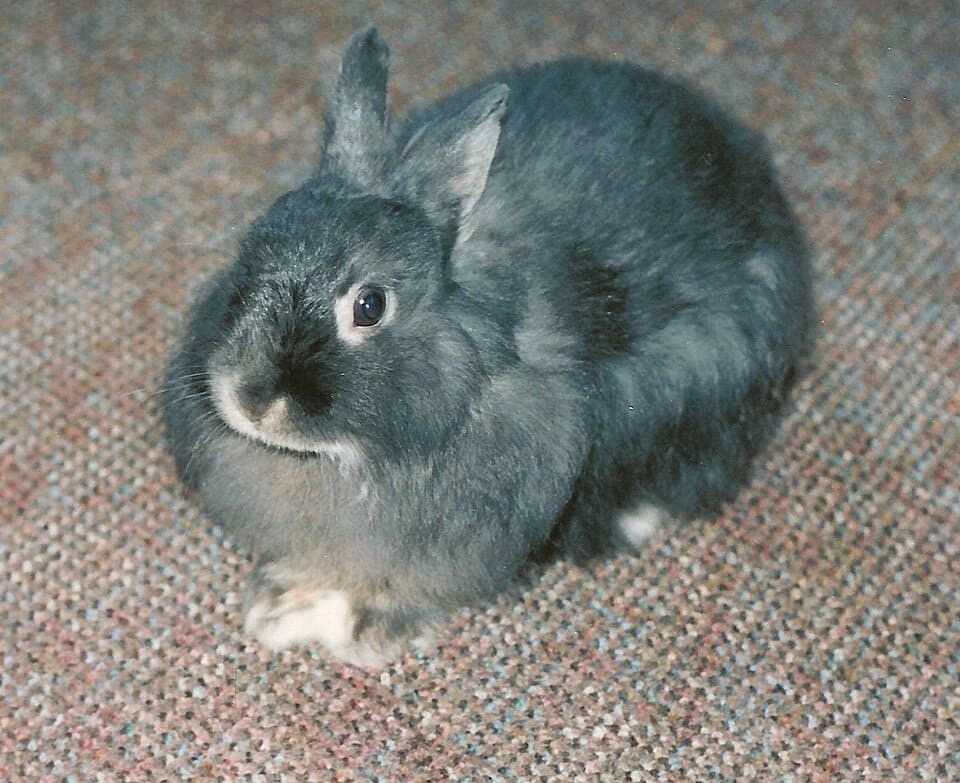
Jersey Wooly
- Adult size
- About 1.1–1.6 kg
- Lifespan
- 7–10 years
- Origin
- United States (New Jersey)
- Company
- Keep in a neutered pair or group
- Docile
- Sweet
- Playful
- Woolly
About the Jersey Wooly
The Jersey Wooly is a small rabbit with a woolly coat, short upright ears and a squarish head often described by breeders as a 'mug head'. It was developed in New Jersey in the 1970s and 1980s, and was recognised by the American Rabbit Breeders Association in 1988.
Its wool is generally less prone to matting than that of the Angora breeds, but it still needs regular care. Jersey Woolies are often gentle and suit owners who are happy to make grooming part of their routine.
Temperament
Jersey Woolies are commonly described as docile and sweet-natured, and they are rarely known for kicking or biting. Many are playful and curious, enjoying toys and exploration. Their gentle disposition can make them good pets for calm households.
Housing
Give them a large, clean living space with soft bedding and room to exercise every day. Wool soaks up dirt and moisture, so keep litter trays and bedding clean and dry. Their coat makes them more vulnerable to heat, so a cool, shaded and well-ventilated home is essential in summer.
Diet
Unlimited hay is particularly important for wool breeds because fibre helps them pass swallowed hair. Offer leafy greens daily, a small portion of pellets and constant fresh water. Avoid sugary foods, which can upset the gut balance.
Exercise & enrichment
Jersey Woolies enjoy toys to toss and chew, tunnels and boxes. Regular floor-level time builds their confidence and makes grooming sessions easier. Keep play areas free of sticky or burr-like materials that could tangle in the wool.
Grooming
Brush or comb the wool at least weekly, and more often during moults, gently working out any tangles. Check under the tail and around the hind legs for soiling, and keep nails trimmed.
Health
Swallowed wool can contribute to gut slowdown, so any drop in appetite or droppings should be taken seriously. Their small, short head can predispose them to dental issues. Flystrike is a risk if wool around the rear becomes soiled, particularly in warm weather.
Prone to
- Gut slowdown from swallowed wool
- Matting
- Dental problems
- Flystrike
- Heat stress
Call a vet if you notice
- Not eating or passing very few droppingsEmergency
- Maggots or soiled wool around the tailEmergency
- Panting or lethargy in warm weatherEmergency
- Droppings joined together by strands of hair
- Overgrown teeth or difficulty eating
A vet with experience of exotic pets is best placed to help. Find one before you need them.
Common questions
How often do Jersey Woolies need grooming?
Most need brushing at least once a week, with extra attention during moults. Regular combing stops tangles from turning into mats.
Do Jersey Woolies make good pets?
Their gentle nature makes them popular companions. Owners should be ready for regular grooming and for keeping the rabbit cool in warm weather.
Should I cut my Jersey Wooly's wool?
Light trimming of soiled or matted areas can help, but it is best done carefully or by someone experienced, because rabbit skin tears easily. Ask a vet or experienced groomer if you are unsure.
Written by the Petopedia editorial team to our editorial standards. General guidance, not veterinary advice.