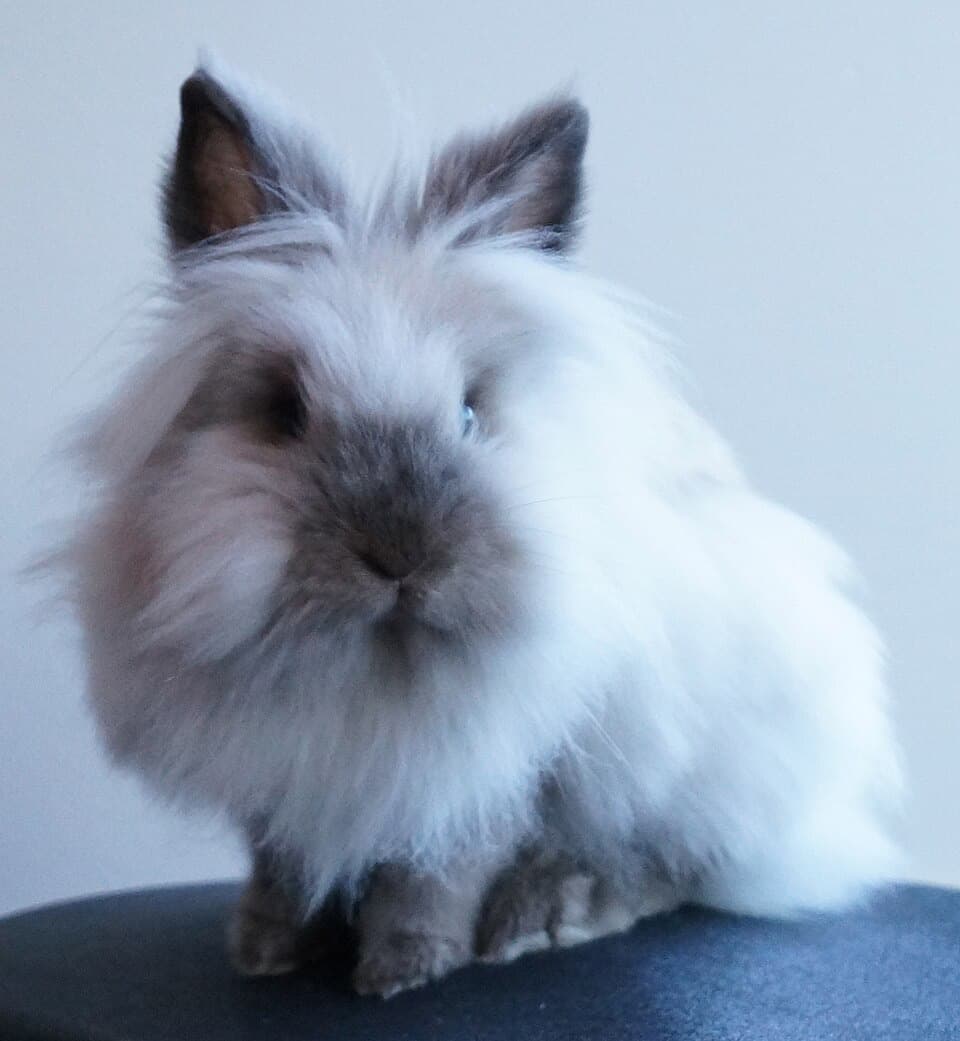
Lionhead
Also known as Lionhead rabbit
- Adult size
- About 1.3–1.7 kg
- Lifespan
- 7–10 years
- Origin
- Belgium (disputed)
- Company
- Keep in a neutered pair or group
- Playful
- Friendly
- Curious
- Fluffy
About the Lionhead
The Lionhead is a small rabbit with a ring of longer wool around its head, giving it a mane rather like a miniature lion. The mane is caused by a dominant gene, and the breed's exact origins are uncertain, with Belgium and France both commonly mentioned in accounts from the late 20th century.
Lionheads were recognised by the American Rabbit Breeders Association in 2014 and are popular pets in many countries. Their mane does need regular care, and their wool can cause digestive trouble if they swallow too much while grooming.
Temperament
Lionheads are generally friendly and playful, with plenty of curiosity. Some can be a little highly strung, especially if handled roughly or kept in a noisy environment. Given space and patience, they often become very sociable with their people and their bonded partner.
Housing
Give a Lionhead a large, secure area to explore, with hiding places and a spacious litter tray. Their wool makes them more prone to overheating, so shade, ventilation and a cool spot are important in warm weather. Keep bedding clean and dry, since damp or soiled wool mats quickly.
Diet
Plenty of hay is especially important for Lionheads, because the fibre helps move swallowed wool through the gut. Offer fresh leafy greens daily and a small portion of plain pellets. Make sure they always have water, as good hydration also supports healthy digestion.
Exercise & enrichment
Lionheads enjoy chew toys, tunnels and scattered food to forage for. Short, frequent sessions of floor-level interaction help them grow comfortable with handling and grooming. Regular gentle brushing can become part of a bonding routine rather than a chore.
Grooming
Brush the mane and any longer wool several times a week, and daily during moults, to prevent mats and reduce swallowed fur. Check the area around the bottom for soiling, trim nails and look at teeth regularly.
Health
Wool swallowed during grooming can contribute to gut slowdown, so watch closely for any drop in appetite or droppings. The breed's short face can predispose some individuals to dental issues. Flystrike is a risk if the rear end becomes dirty, particularly in warm months.
Prone to
- Gut slowdown linked to swallowed wool
- Matted wool
- Dental problems
- Flystrike
- Heat stress
Call a vet if you notice
- Small or no droppings, or not eatingEmergency
- Droppings strung together with hair
- Maggots in the coat or a soiled rearEmergency
- Panting, lethargy or a hot, floppy rabbit in warm weatherEmergency
- Drooling or dropping food
A vet with experience of exotic pets is best placed to help. Find one before you need them.
Common questions
How often should I brush a Lionhead rabbit?
Brush the mane several times a week, and every day during heavy moults. Regular brushing prevents mats and reduces the amount of fur the rabbit swallows.
Do all Lionhead babies have a mane?
Not always. Rabbits with two copies of the mane gene tend to have a fuller mane, while those with one copy may have a lighter mane that thins as they mature.
Are Lionheads good indoor rabbits?
They adapt well to indoor life, which also makes it easier to keep them cool and their wool clean. They still need a large, rabbit-proofed area and a companion.
Written by the Petopedia editorial team to our editorial standards. General guidance, not veterinary advice.