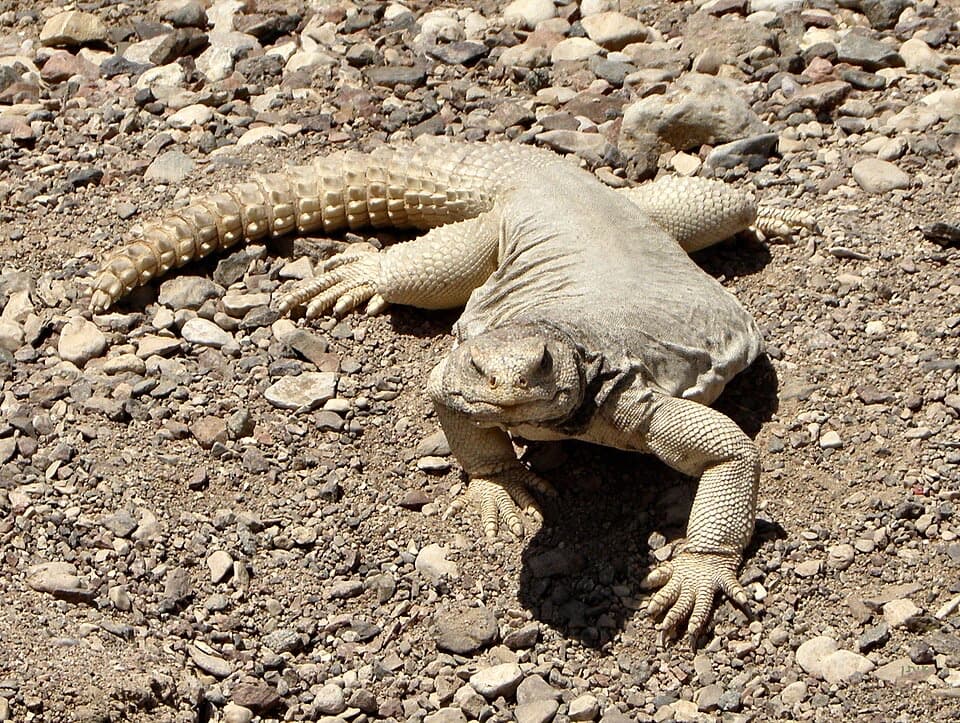
Uromastyx
Also known as Spiny-tailed lizard, Mastigure, Dabb lizard
- Adult size
- 25–45 cm long depending on species
- Lifespan
- 15–25 years
- Origin
- North Africa, the Middle East and south-west Asia
- Company
- Usually best alone; some keepers manage pairs but fights can occur
- Heat-loving
- Herbivorous
- Shy
- Diurnal
About the Uromastyx
Uromastyx is a group of stocky, desert-dwelling lizards with spiked, club-like tails used to block burrow entrances. Several species are kept, ranging from small to fairly large, including Moroccan, Mali, ornate and Egyptian types, and their care differs a little between species.
They are unusual among pet lizards because adults are mainly herbivorous and need extremely hot, dry basking conditions. Captive-bred animals are becoming more available, but some are still taken from the wild, so ask about origin and expect to need a vet check.
Temperament
Many uromastyx become calm and personable with time, though they can be skittish and will lash their tails if frightened. They are active by day and spend a lot of time basking and digging. Captive-bred animals are usually more relaxed than wild-caught ones.
Enclosure, heat & light
Medium species need at least 120 x 60 x 60 cm, and larger species more. They need one of the hottest basking areas of any commonly kept lizard, with a much cooler end for retreat, so use a thermostat and a reliable thermometer and seek species-specific temperature advice. Strong UVB is essential and humidity should be low. A deep, compacted soil-sand mix or solid surface with a secure burrow-like hide suits them.
Diet
Adults eat mostly leafy greens and weeds such as dandelion, endive and clover, plus seeds and dried legumes like lentils for some species. Insects are offered sparingly if at all to most adults. Dust food with calcium as advised and offer water carefully, as they obtain much moisture from food; ask your vet about your species' needs.
Enrichment & handling
Digging opportunities, stacked rocks securely fixed in place, and scattered seeds or greens encourage natural behaviour. They often enjoy basking on flat slabs. Handle gently and let them come to you; scoop from beneath and avoid the tail.
Shedding & hygiene
Uromastyx shed in pieces and usually manage well in a dry set-up with good basking. Remove uneaten greens daily so they do not wilt and spoil. Scrub your hands with soap and water after touching the lizard or its basking slabs.
Health
Problems include metabolic bone disease, dehydration, overgrown beaks and nails, respiratory illness if kept too cool or damp, and parasites in wild-caught animals. Kidney problems can follow high-protein diets. An exotics vet can check hydration and run a faecal test.
Prone to
- Metabolic bone disease
- Dehydration
- Kidney disease
- Overgrown beak and nails
- Intestinal parasites
Call a vet if you notice
- Sunken eyes or wrinkled skin that stays tented
- Weakness or lameness
- Discharge from the nose or mouth
- Loss of appetite with weight loss
- Unable to right itself or collapsingEmergency
A vet with experience of exotic pets is best placed to help. Find one before you need them.
Common questions
Do uromastyx eat insects?
Adults of most species are mainly herbivorous and need few or no insects. Some keepers offer small amounts to juveniles, but check species-specific advice with a vet.
How hot does a uromastyx need its basking spot?
They need one of the hottest basking areas of any pet lizard, with a cooler end for retreat. Use a thermostat and a thermometer and ask a vet or breeder for the right range for your species.
Are uromastyx good pets?
Captive-bred uromastyx can be rewarding, calm lizards for keepers who can provide intense heat, strong UVB and a mostly plant-based diet. They are less forgiving of cold or damp conditions than some species.
Written by the Petopedia editorial team to our editorial standards. General guidance, not veterinary advice.