Belgian Hare
- Adult size
- About 2.7–4.1 kg
- Lifespan
- 6–10 years
- Origin
- England (from Belgian stock)
- Company
- Keep in a neutered pair or group
- Athletic
- Alert
- Intelligent
- Sensitive
About the Belgian Hare
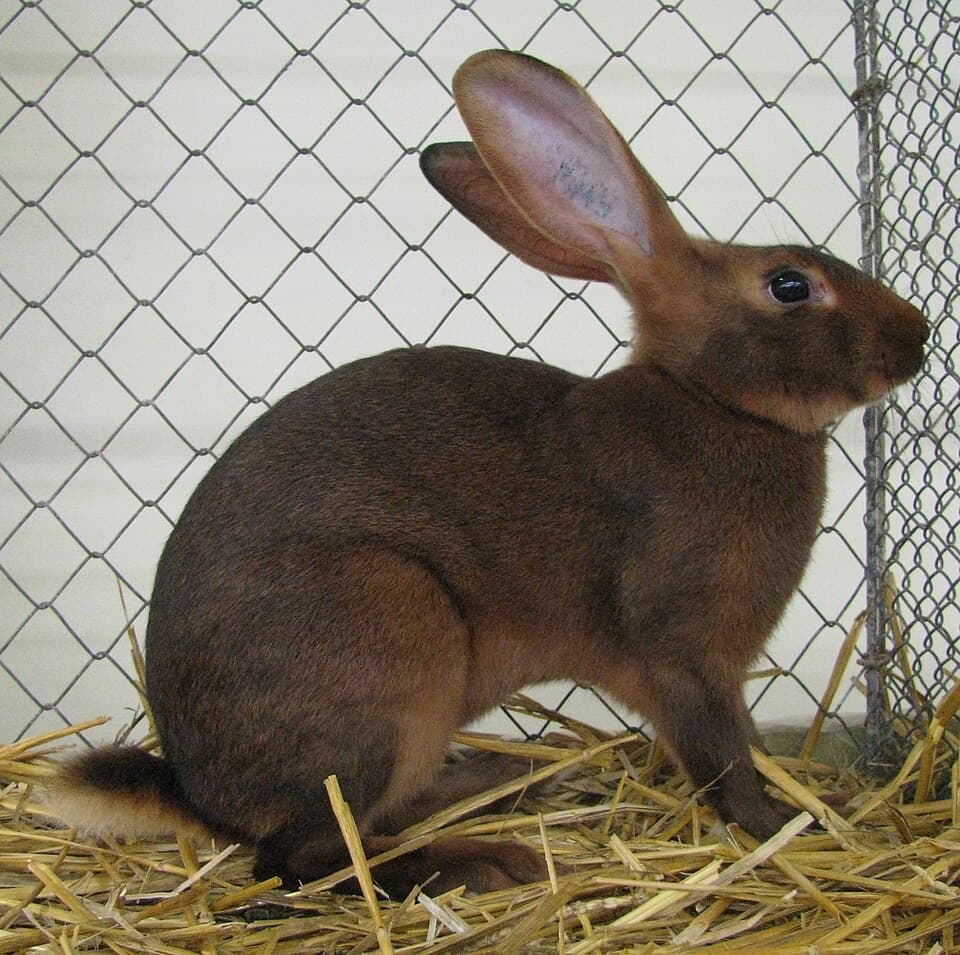
The Belgian Hare is a domestic rabbit bred to resemble a wild hare, with long, slender legs, an arched back and a rich chestnut coat. It is not a hare at all, but a true rabbit, developed mainly in England in the 19th century from rabbits brought over from Belgium.
The breed caused a craze in the United States around 1900, when thousands were imported. Today it is relatively uncommon and is best suited to owners who can provide lots of space and a calm environment for a sensitive, athletic animal.
Temperament
Belgian Hares are alert, intelligent and very active. They are often nervous and quick to startle, and may panic if restrained. With patient, quiet handling they can become trusting, but they are generally more watchful companions than lap rabbits.
Housing
These rabbits need far more running space than most breeds, ideally a large, secure enclosure or room where they can sprint and leap. Provide plenty of cover and hiding places, as they feel safest when they can retreat. A calm household without constant loud noise suits them best.
Diet
Feed unlimited hay, a variety of leafy greens daily and a small amount of plain pellets. Their active lifestyle keeps most at a lean weight, which is normal for this breed. Fresh water should always be available.
Exercise & enrichment
Running space is the key enrichment, along with tunnels, low obstacles and foraging opportunities. Avoid chasing or grabbing them, which can cause panic and injury. Building trust with food rewards and quiet presence works better than handling.
Grooming
The short, close coat needs a weekly brush. Check nails and teeth regularly, handling calmly to avoid struggling.
Health
Their fine bones and tendency to panic make them vulnerable to injuries, including spinal fractures if they struggle while held. Stress can trigger digestive problems, so a calm, predictable environment helps. They share the common rabbit risks of dental disease, gut stasis and infectious diseases.
Prone to
- Injuries from panic or falls
- Stress-related gut problems
- Dental disease
- Gastrointestinal stasis
Call a vet if you notice
- Not eating or no droppingsEmergency
- Sudden inability to move the hind legsEmergency
- Limping or swelling in a leg
- Diarrhoea or sticky droppings
- Rapid breathing at rest
A vet with experience of exotic pets is best placed to help. Find one before you need them.
Common questions
Is a Belgian Hare a rabbit or a hare?
It is a domestic rabbit. It was simply bred to look like a hare, with long legs and an arched, athletic body.
Are Belgian Hares good pets?
They can be fascinating companions for experienced owners with lots of space. They are generally not recommended for families wanting a rabbit that enjoys being held.
How much space does a Belgian Hare need?
More than most breeds. A large enclosure or room where it can run at full speed and jump is ideal, alongside plenty of places to hide.
Written by the Petopedia editorial team to our editorial standards. General guidance, not veterinary advice.