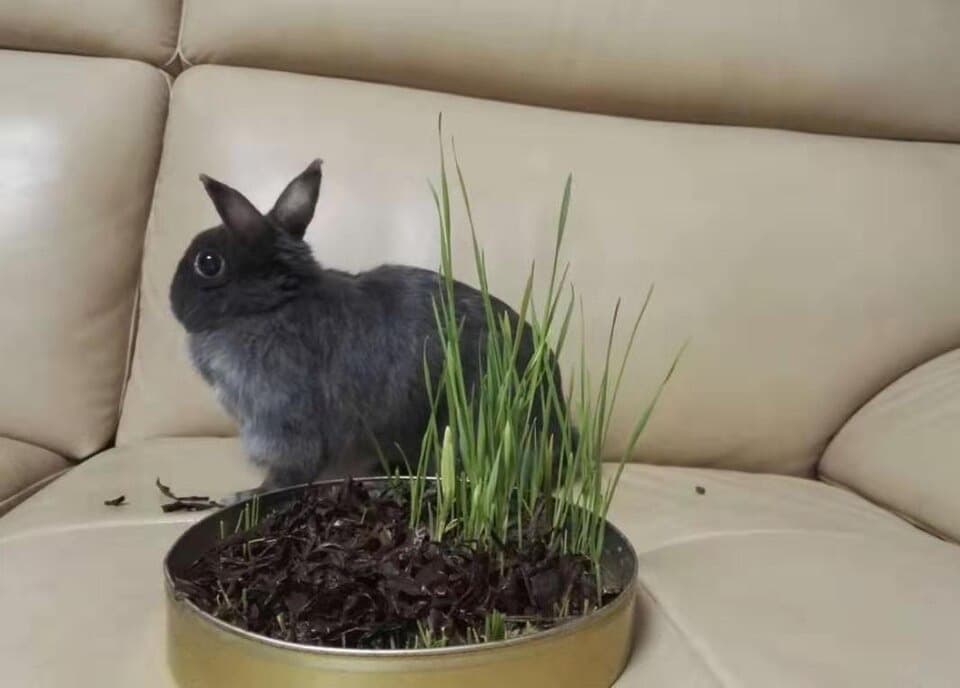
Netherland Dwarf
Also known as Dwarf rabbit
- Adult size
- About 0.5–1.2 kg
- Lifespan
- 7–12 years
- Origin
- Netherlands
- Company
- Keep in a neutered pair or group
- Lively
- Alert
- Independent
- Tiny
About the Netherland Dwarf
The Netherland Dwarf is one of the smallest rabbit breeds, with a round head, large eyes and very short upright ears. It was developed in the Netherlands in the early 20th century, reportedly from small Polish rabbits crossed with wild-type rabbits, and was later refined in Britain and the United States.
They come in a huge range of colours and are often bought because they stay tiny. That small body houses a big, busy personality, and Netherland Dwarfs need just as much space and companionship as larger breeds.
Temperament
Netherland Dwarfs are energetic and alert, and some can be wary or quick to bolt, partly because of their closeness to wild ancestry. With patient, calm handling many become confident and cheeky. They tend to show affection by approaching, nudging and circling their owners rather than by sitting still on a lap.
Housing
A tiny rabbit is still a sprinter, so plan for a large enclosure or rabbit-safe room with space to run, jump and stand fully upright. Hutches marketed for dwarf rabbits are usually far too small to live in permanently. Indoors, cover cables and keep them away from toxic houseplants; outdoors, give secure predator-proof housing with shade and insulation.
Diet
Unlimited hay is essential, both for digestion and to wear down teeth that are particularly prone to problems in this breed. Offer a modest daily serving of leafy greens and a very small portion of plain pellets, because dwarf rabbits gain weight easily. Keep sugary treats to a minimum and make sure water is always on hand.
Exercise & enrichment
These rabbits love to dig and chew, so a digging box filled with soil or shredded paper and plenty of safe chew items are worthwhile. Puzzle feeders and scattered greens keep their quick minds occupied. Handle them low to the ground at first, as their small size makes falls especially dangerous.
Grooming
Their short, dense coat needs only a quick weekly brush outside moulting season. Trim or check nails regularly and look at the front teeth weekly so any change in alignment is spotted early.
Health
Dental malocclusion is the best-known problem in Netherland Dwarfs, as their shortened jaw can leave teeth misaligned and overgrown. Like all rabbits they are at risk of gastrointestinal stasis if they stop eating, and of myxomatosis and RHD, so vaccination where available is important. Females that are not spayed have a high risk of uterine cancer as they age.
Prone to
- Dental malocclusion
- Gastrointestinal stasis
- Uterine cancer in unspayed females
- Obesity
Call a vet if you notice
- Stopped eating or passing droppingsEmergency
- Front teeth that look crooked, long or broken
- Weepy eyes, which can be linked to tooth root problems
- Sitting hunched and reluctant to move
- Head tilt or loss of balance
A vet with experience of exotic pets is best placed to help. Find one before you need them.
Common questions
How long do Netherland Dwarf rabbits live?
With good care, many live around 7 to 12 years. Diet, dental health, neutering and vaccination all make a difference.
Are Netherland Dwarfs aggressive?
They are not naturally aggressive, but some are nervous and may nip or thump if they feel cornered. Neutering and gentle, consistent handling usually help a great deal.
Can a Netherland Dwarf live in a cage?
A cage can serve as a base for food and a litter tray, but it should not be the rabbit's whole world. They need several hours a day, ideally constant access, to a much larger exercise area.
Written by the Petopedia editorial team to our editorial standards. General guidance, not veterinary advice.