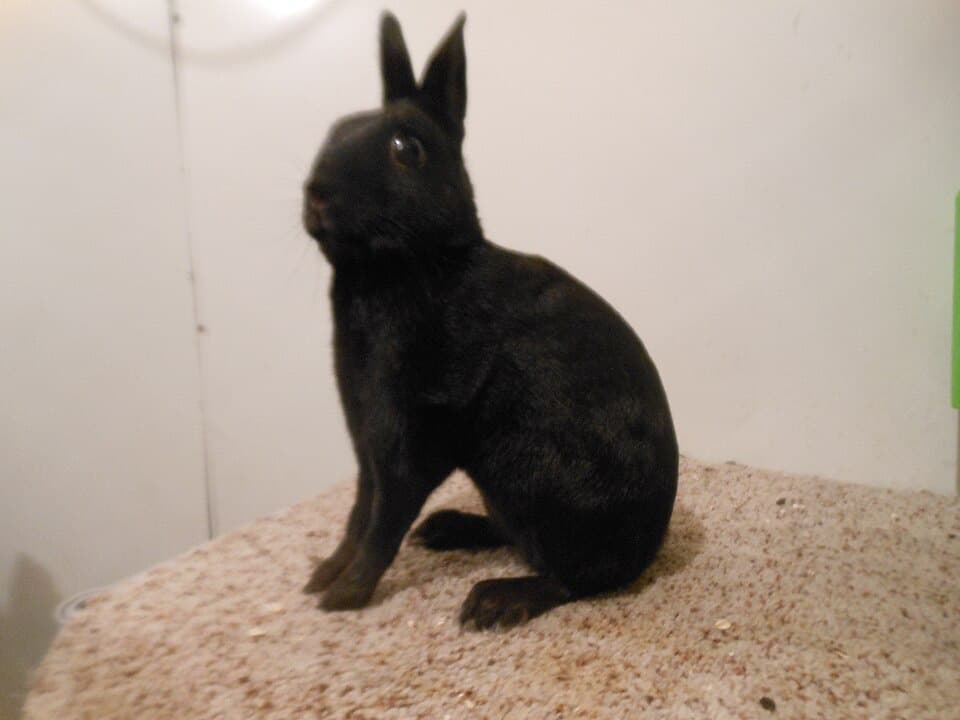
Britannia Petite
Also known as Polish (UK)
- Adult size
- About 0.8–1.1 kg
- Lifespan
- 6–10 years
- Origin
- England
- Company
- Keep in a neutered pair or group
- Energetic
- Alert
- Athletic
- Fine-boned
About the Britannia Petite
The Britannia Petite is a very small, fine-boned rabbit with a distinctive arched back, upright ears and a racy, alert stance. It descends from the British breed known in the UK as the Polish, and was given the name Britannia Petite in the United States to distinguish it from the American Polish.
Show Britannia Petites are judged partly on how they pose, standing tall on their front legs. As pets they are lively and fast, suiting owners who enjoy an active rabbit and are happy for it to be more watchful than cuddly.
Temperament
Britannia Petites are energetic, alert and quick to react. Many are on the nervous side and can bolt or kick when restrained, so they reward experienced, patient handling. Once settled, they are entertaining, curious companions.
Housing
These athletic little rabbits need plenty of room to run and jump, so a large enclosure or safe room is far better than a small hutch. Secure fencing matters, as they can be surprisingly agile. Provide plenty of hiding spots so they always have somewhere to retreat when startled.
Diet
Unlimited grass hay, a daily portion of leafy greens and a small measured amount of pellets suit them well. Their fine build means they rarely need much extra food, and too many treats are best avoided. Water must always be available.
Exercise & enrichment
Running space is the most important enrichment for this breed. Tunnels, low jumps and objects to explore keep them busy. Keep handling calm and brief, building trust with food rewards rather than restraint.
Grooming
The short, close coat needs very little grooming beyond a weekly brush. Check nails and teeth regularly, handling gently to avoid struggling.
Health
Their fine bones make them vulnerable to fractures and spinal injury if they struggle while being held or are dropped. They are also susceptible to dental problems, gut stasis and the main infectious rabbit diseases. Stress can contribute to digestive upset, so a calm environment is helpful.
Prone to
- Fractures and spinal injury from falls or struggling
- Dental problems
- Gastrointestinal stasis
- Stress-related illness
Call a vet if you notice
- Not eating or no droppingsEmergency
- Unable to use the back legs after a fall or struggleEmergency
- Limping or holding a leg up
- Grinding teeth and sitting tense
- Diarrhoea or soft, sticky droppings
A vet with experience of exotic pets is best placed to help. Find one before you need them.
Common questions
Is the Britannia Petite the same as the Polish rabbit?
It is the same breed that British clubs call the Polish. In the United States, the Polish is a different, cobbier breed, so the name Britannia Petite is used to avoid confusion.
Are Britannia Petites good for beginners?
They can be challenging for first-time owners because they are fast and often nervous. Experienced owners who enjoy watching an active rabbit tend to get the most from them.
How small is a Britannia Petite?
They are among the smallest rabbit breeds, generally weighing about 0.8–1.1 kg.
Written by the Petopedia editorial team to our editorial standards. General guidance, not veterinary advice.