Dutch
Also known as Dutch rabbit, Hollander
- Adult size
- About 1.6–2.5 kg
- Lifespan
- 7–12 years
- Origin
- England (from Dutch stock)
- Company
- Keep in a neutered pair or group
- Friendly
- Active
- Adaptable
- Hardy
About the Dutch
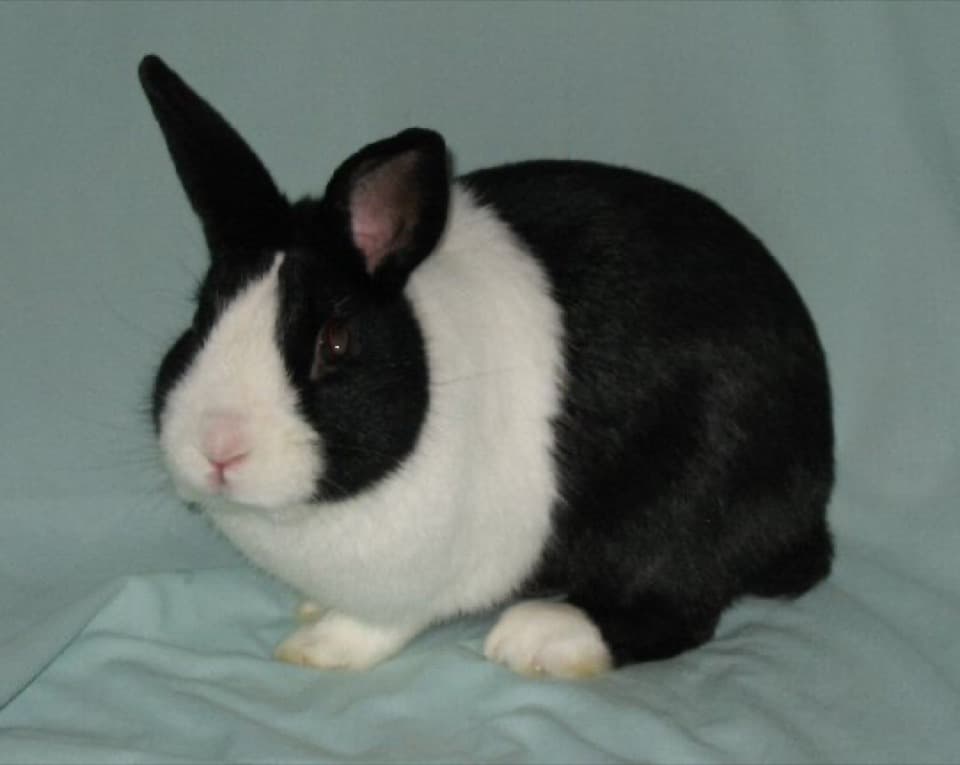
The Dutch is instantly recognisable by its markings: a white blaze on the face, a white collar and front half, and a coloured rear half and cheeks. Despite the name, the modern breed was mainly developed in England in the 19th century from rabbits imported from the Netherlands.
It was once among the most popular rabbits in the world and remains a classic choice for families. Dutch rabbits are small to medium, hardy and generally adaptable, but they still need plenty of space and a companion.
Temperament
Dutch rabbits are usually friendly, alert and fairly easy-going. They are active and enjoy exploring, and many respond well to routine and gentle handling. Their adaptable nature often makes them good with considerate children under adult supervision.
Housing
Provide a large enclosure or rabbit-proofed room with space to run and a sheltered area to rest. They can live indoors or outdoors, as long as outdoor housing is secure, dry and shaded. A digging area and multiple hiding places help them feel secure.
Diet
Grass hay should be available at all times and make up the bulk of their diet. Add a daily variety of leafy greens and herbs and a small amount of plain pellets. Treats such as apple or carrot should be occasional and small.
Exercise & enrichment
Dutch rabbits enjoy toys they can toss, boxes to chew and tunnels to dash through. Daily exercise time with room to run is important for their energetic nature. They can learn simple routines, such as returning to their enclosure for a treat.
Grooming
Their short, glossy coat is easy to care for with a weekly brush. Check teeth, nails and the rear end regularly as part of routine handling.
Health
Dutch rabbits are generally considered a hardy breed without notable breed-specific problems. They remain susceptible to common rabbit conditions such as dental disease, gut stasis and uterine cancer in unspayed females. Vaccination against myxomatosis and RHD where available, and good hygiene to prevent flystrike, are important.
Prone to
- Dental disease
- Gastrointestinal stasis
- Uterine cancer in unspayed females
- Flystrike
Call a vet if you notice
- Not eating or no droppingsEmergency
- Swollen, puffy eyes or lumps on the face — , possible myxomatosisEmergency
- Sudden lethargy or bleeding from the noseEmergency
- Teeth grinding with a hunched stance
- Soiled rear or maggotsEmergency
A vet with experience of exotic pets is best placed to help. Find one before you need them.
Common questions
Where do Dutch rabbits come from?
Their ancestors came from the Netherlands, but the breed as we know it was largely developed in England during the 1800s.
Are Dutch rabbits good pets?
They are often recommended for families because of their friendly, adaptable temperament and easy coat. Like all rabbits, they need space, a companion and long-term commitment.
How big do Dutch rabbits get?
Most adults weigh around 1.6–2.5 kg, placing them between the dwarf breeds and medium-sized rabbits.
Written by the Petopedia editorial team to our editorial standards. General guidance, not veterinary advice.