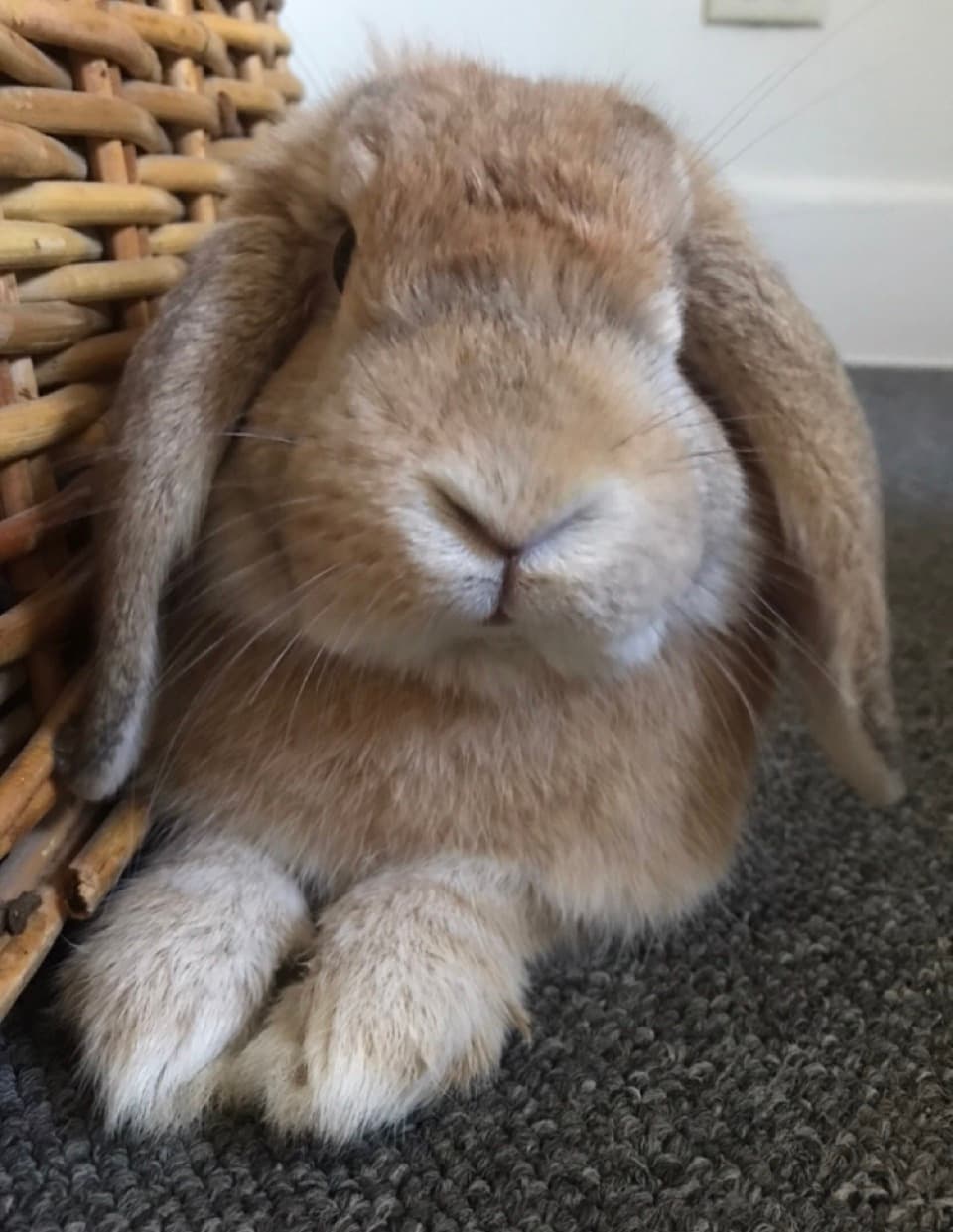
Mini Lop
Also known as Klein Widder
- Adult size
- About 1.6–3 kg depending on country and standard
- Lifespan
- 7–12 years
- Origin
- Germany
- Company
- Keep in a neutered pair or group
- Relaxed
- Friendly
- Sturdy
- Food-loving
About the Mini Lop
The Mini Lop is a sturdy, well-muscled lop-eared rabbit, often described as looking like a basketball with a head. The breed traces back to the German Klein Widder and was developed further in the United States, where it was recognised in the early 1980s.
Breed names can be confusing: in the UK, the rabbit called a Mini Lop is smaller than the American Mini Lop, and the American breed is closer in size to what British breeders call a Dwarf Lop. Whatever the label, these are chunky, relaxed rabbits that make engaging companions.
Temperament
Mini Lops are usually laid-back and friendly, often content to flop out beside their owners after a burst of play. They can be quite food-motivated, which makes gentle training easy. Individual personalities vary, and an unneutered Mini Lop may become territorial or spray urine.
Housing
A Mini Lop needs room to stretch out fully, stand up on its hind legs and take several hops in a row, so give it a spacious run or rabbit-proofed room. Flooring with some grip, such as rugs or mats, helps protect their feet and joints. If kept outside, the shelter should be dry, draught-free and shaded, with the run attached so they can choose where to be.
Diet
Feed plenty of hay as the foundation of the diet, alongside a daily mix of leafy greens and herbs. Mini Lops are prone to becoming overweight, so measure pellets carefully and treat fruit as an occasional reward. Sudden diet changes can upset their gut, so introduce new foods slowly.
Exercise & enrichment
Their love of food makes foraging toys, hay racks stuffed with herbs and treat balls especially effective. Low platforms, tunnels and boxes create interest without risky heights for a heavy-bodied rabbit. Many enjoy being stroked on the floor; when lifting is necessary, support their weight securely.
Grooming
The dense, rollback coat needs weekly brushing and more frequent attention during moults. Check inside the ears regularly, trim nails as needed and make sure their bottom stays clean, as overweight rabbits struggle to groom themselves there.
Health
As a lop breed, Mini Lops are prone to ear canal problems, because folded ears can trap wax and moisture. Dental disease is also common in lops and should be checked at every vet visit. Obesity can lead to sore hocks, a dirty rear end and flystrike, so keeping them trim is one of the most protective things an owner can do.
Prone to
- Ear infections and wax build-up
- Dental disease
- Obesity
- Sore hocks
- Flystrike
Call a vet if you notice
- No droppings or refusing foodEmergency
- Maggots or a dirty, smelly rear endEmergency
- Head tilt, circling or ear scratching
- Lumps under the jaw or a swollen face
- Red, raw patches on the heels
A vet with experience of exotic pets is best placed to help. Find one before you need them.
Common questions
What is the difference between a Mini Lop and a Holland Lop?
In the American standards, the Mini Lop is the larger of the two, with a longer body and more weight. The Holland Lop is smaller and more compact, though in the UK the naming of lop breeds differs.
Do Mini Lops like to be held?
Many tolerate handling well and some enjoy cuddles, but most rabbits feel safer on the ground. Spending time at their level usually builds a better bond than frequent lifting.
Why do lop rabbits get ear infections?
Their folded ears are less open to the air, so wax and moisture can build up in the ear canal. Regular checks and prompt veterinary attention for scratching or head shaking help catch problems early.
Written by the Petopedia editorial team to our editorial standards. General guidance, not veterinary advice.