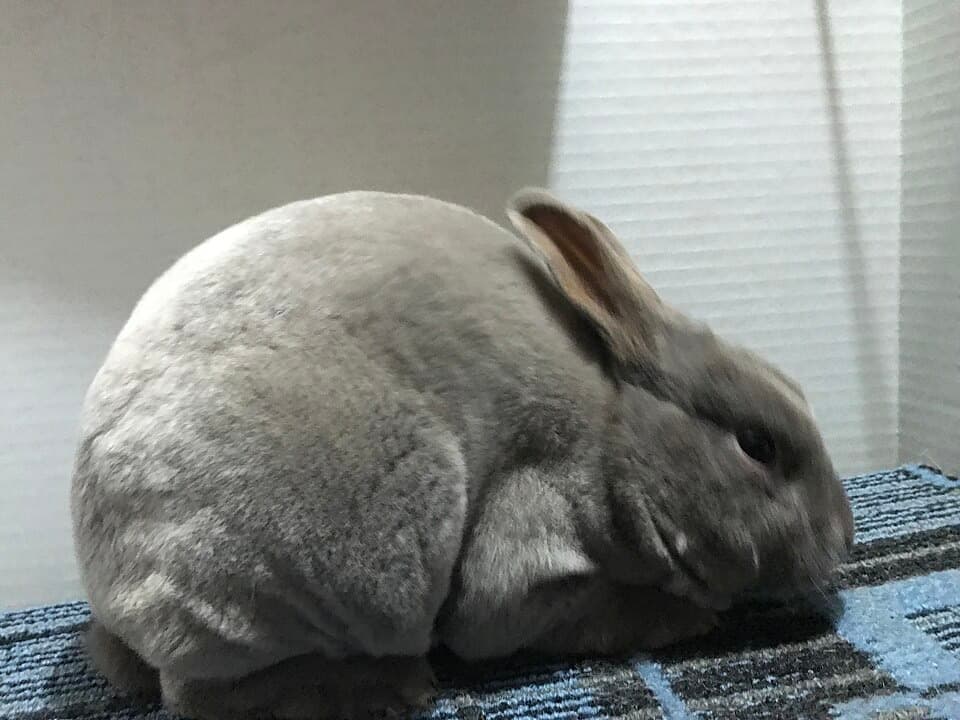
Mini Rex
- Adult size
- About 1.4–2 kg
- Lifespan
- 7–10 years
- Origin
- United States
- Company
- Keep in a neutered pair or group
- Gentle
- Calm
- Intelligent
- Velvety
About the Mini Rex
The Mini Rex is a small rabbit famous for its plush, velvety fur, which lacks the long guard hairs found in most coats. The breed was developed in the United States during the 1980s, using a small Lynx Rex and a dwarf rabbit, and was recognised by the American Rabbit Breeders Association in 1988.
Its soft coat, neat size and generally calm nature have made it a favourite with families and in youth showing. It needs the same space, companionship and hay-based diet as any other rabbit, with a little extra attention to its feet.
Temperament
Mini Rex rabbits are often described as calm, gentle and tolerant, and many settle quickly into home life. They are intelligent and can learn their names, come when called or use a litter tray reliably. Some individuals are more energetic or shy, so let each rabbit set the pace.
Housing
Provide a large, enriched living area where the rabbit can run, binky and rest in a hidden spot. Because rex fur on the feet is short, soft flooring such as fleece, rugs or a deep bed of hay helps prevent sore hocks; avoid wire floors entirely. Keep them away from extremes of temperature, especially heat.
Diet
Offer unlimited grass hay, a variety of leafy greens each day and a small portion of high-fibre pellets. Limit sugary foods, as Mini Rex rabbits can put on weight if pellets are given freely. Always provide clean, fresh water in a heavy bowl or bottle.
Exercise & enrichment
Mini Rex rabbits respond well to clicker training and simple tricks using small pieces of herb as rewards. Give them tunnels, chew toys and cardboard to shred. Many are happy to be stroked on the floor and will tolerate gentle, well-supported handling.
Grooming
Rex fur needs very little brushing; in fact, vigorous brushing can damage it, so a gentle hand or soft brush during moults is enough. Check their feet regularly for redness, keep nails trimmed and look at the teeth during routine handling.
Health
Sore hocks (pododermatitis) are a particular concern in rex-coated rabbits because the fur on their feet offers less padding. Dental disease, gut stasis and obesity are also seen. Vaccination against myxomatosis and RHD where available, plus neutering, are standard recommendations.
Prone to
- Sore hocks (pododermatitis)
- Dental disease
- Gastrointestinal stasis
- Obesity
Call a vet if you notice
- Has stopped eating or poopingEmergency
- Limping or reluctance to hop
- Bald, red or scabbed patches on the underside of the feet
- Runny nose or noisy breathing
- Sudden weight loss
A vet with experience of exotic pets is best placed to help. Find one before you need them.
Common questions
Why is Mini Rex fur so soft?
A recessive rex gene shortens the guard hairs so they are about the same length as the undercoat. This creates the dense, velvety feel the breed is known for.
Are Mini Rex rabbits good pets for beginners?
They are often a good choice thanks to their calm temperament and easy coat care. Beginners still need to plan for a large living space, a companion rabbit and regular vet care.
How do I prevent sore hocks in a Mini Rex?
Provide soft, dry flooring, keep the rabbit at a healthy weight and keep litter areas clean. If you notice redness or scabs on the feet, have a vet look at them early.
Written by the Petopedia editorial team to our editorial standards. General guidance, not veterinary advice.