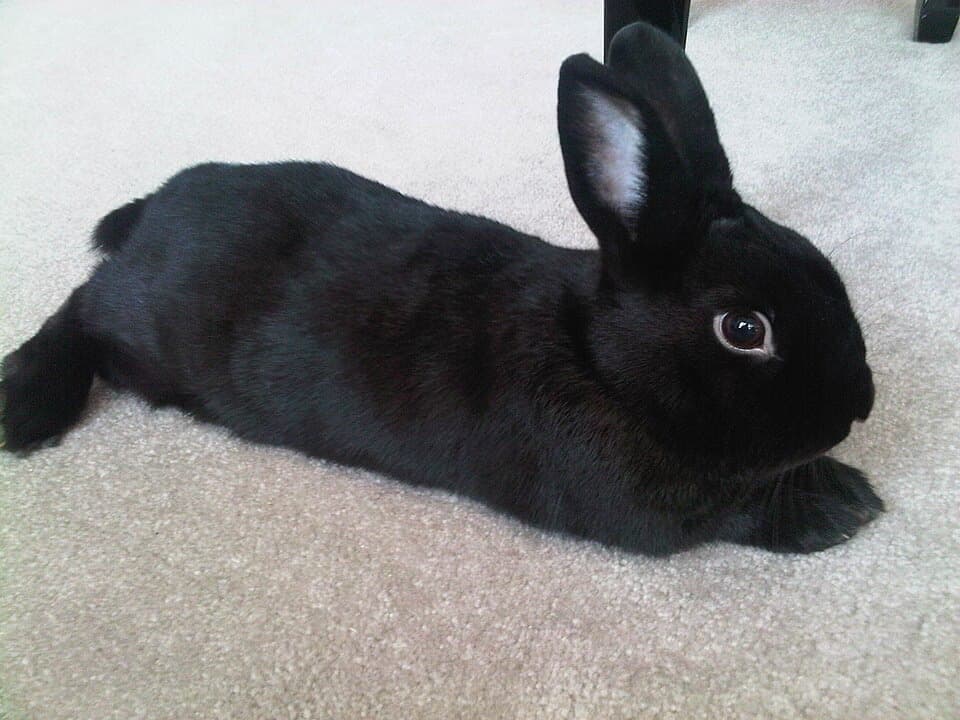
Havana
Also known as Havana rabbit
- Adult size
- About 2–3 kg
- Lifespan
- 7–10 years
- Origin
- Netherlands
- Company
- Keep in a neutered pair or group
- Calm
- Friendly
- Curious
- Glossy
About the Havana
The Havana is a compact, medium-small rabbit with a glossy coat, originally in a deep chocolate brown that reportedly reminded early breeders of the colour of Havana cigars. It first appeared in the Netherlands at the end of the 19th century and later spread through Europe and North America.
Today Havanas also come in blue, black and other colours. They are known for their soft, shiny coat and generally pleasant temperament.
Temperament
Havanas are often described as calm, friendly and easy to get along with. Many are curious and enjoy interaction, while also being content to relax. They can be good companions for families who handle them gently.
Housing
Provide a spacious enclosure or rabbit-proofed area with room to run, stand up and hide. They do well indoors or outdoors if housing is safe, dry and shaded. Include a large litter tray with hay, which many Havanas learn to use readily.
Diet
Grass hay should be freely available and form most of the diet. Add leafy greens daily and a measured portion of pellets suited to their size. Keep fruit and sweet vegetables to small treats and provide fresh water at all times.
Exercise & enrichment
Havanas enjoy cardboard tunnels, boxes to remodel and toys to chew. Regular exercise time and gentle, floor-level interaction keep them happy. They can learn simple routines and respond well to food rewards.
Grooming
Their short, glossy coat needs only weekly brushing, with extra attention during moults. Check teeth, nails and the rear end routinely.
Health
Havanas are generally considered a healthy breed without well-known breed-specific conditions. As with all rabbits, dental disease, gut stasis and uterine cancer in unspayed females are concerns. Vaccination against myxomatosis and RHD where available is recommended.
Prone to
- Dental disease
- Gastrointestinal stasis
- Uterine cancer in unspayed females
Call a vet if you notice
- Not eating or no droppingsEmergency
- Grinding teeth or sitting hunched
- Runny eyes or nose
- Changes in urine colour with straining
- Soiled bottom or maggotsEmergency
A vet with experience of exotic pets is best placed to help. Find one before you need them.
Common questions
Why is it called a Havana rabbit?
The original chocolate colour was said to resemble the colour of Havana cigars, which is how the breed got its name.
Are Havana rabbits good pets?
They are generally calm and friendly, making them good companions. They need the same space, companionship and diet as any rabbit.
What colours do Havana rabbits come in?
Chocolate is the classic colour, and depending on the breed standard in your country, blue, black, lilac and broken varieties may also be recognised.
Written by the Petopedia editorial team to our editorial standards. General guidance, not veterinary advice.