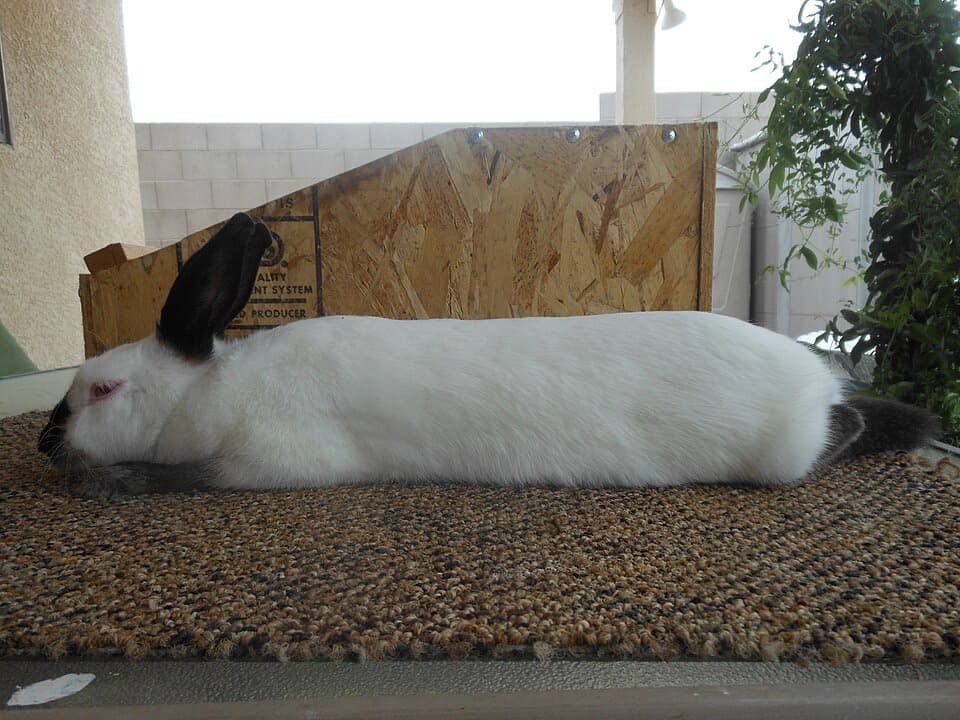
Himalayan
Also known as Himalayan rabbit
- Adult size
- About 1.1–2 kg
- Lifespan
- 7–10 years
- Origin
- Uncertain (often linked to the Himalayas, but disputed)
- Company
- Keep in a neutered pair or group
- Calm
- Gentle
- Docile
- Slender
About the Himalayan
The Himalayan is a small, slender rabbit with a white body and darker 'points' on the nose, ears, feet and tail, a pattern similar to that of Siamese cats. It is one of the oldest rabbit breeds, but its true origin is unknown, and its link to the Himalayan region is uncertain.
The coloured points depend on temperature: fur that grows in cooler conditions tends to be darker. Himalayans are known for being calm and gentle, which makes them popular pets.
Temperament
Himalayans are often regarded as one of the calmest rabbit breeds, frequently tolerating handling well. They are typically gentle and good-natured. Although relaxed, they still enjoy exploring and need daily exercise.
Housing
Provide a spacious, enriched environment with room to stretch out its long, cylindrical body. They can live indoors or out, provided outdoor housing is dry, secure and protected from temperature extremes. Soft flooring and hiding places help them feel at ease.
Diet
Hay should be freely available and form most of the diet. Add daily leafy greens and a small portion of pellets, adjusting for their small size. Keep treats occasional, and always provide fresh water.
Exercise & enrichment
Gentle play, tunnels and foraging toys suit their mellow nature. They often enjoy quiet time being stroked on the floor. Encourage exercise with open space and scattered food, as calm rabbits can become sedentary.
Grooming
The short coat needs weekly brushing and a little more during moults. You may notice point colours change after a moult depending on the temperature. Check teeth, nails and the rear end regularly.
Health
Himalayans are not known for a long list of breed-specific problems. They are susceptible to dental disease, gut stasis and the infectious diseases that affect all domestic rabbits. Keep them at a healthy weight, as a calm temperament can lead to less activity.
Prone to
- Dental disease
- Gastrointestinal stasis
- Obesity
- Uterine cancer in unspayed females
Call a vet if you notice
- Not eating or not poopingEmergency
- Hunched posture and teeth grinding
- Weepy eyes or nasal discharge
- Head tilt or circling
- Bald patches or flaky skin
A vet with experience of exotic pets is best placed to help. Find one before you need them.
Common questions
Why do Himalayan rabbits have dark ears and noses?
They carry a temperature-sensitive colour gene, so pigment develops mainly on cooler parts of the body. Fur growing in a cold environment may come through darker.
Are Himalayan rabbits good for beginners?
Their calm, tolerant nature makes them one of the more beginner-friendly breeds. Beginners still need to provide plenty of space, a companion and vet care.
Are Himalayan rabbits from the Himalayas?
The breed's origin is unclear. The name may simply reflect old assumptions, and historians of the breed disagree about where it first appeared.
Written by the Petopedia editorial team to our editorial standards. General guidance, not veterinary advice.